
09-06-2026 18:32
Camille MertensSur morceau de roseau immergé 0,5 - 0,7 mm de dia
10-06-2026 12:54
Steve ClementsBonjour encore, Pouvez-vous m'aider, s'il vous pl

10-06-2026 21:16
 François Freléchoux
Bonsoir,Le dernier du jour, en attendant votre avi
10-06-2026 21:07
François Freléchoux
Toutes les tiges de gentianes jaunes de l'an passÃ
10-06-2026 13:41
François Freléchoux
Bonjour à nouveau, Voici une trouvaille d'hier.
10-06-2026 11:53
Steve ClementsBonjour, This disco is abundant on dead stems of
10-06-2026 10:45
François Freléchoux
Bonjour à nouveau, Encore une détermination qui
08-06-2026 10:16
 Spooren Marco
I don`t have a clou about this fungus,it is not in
Orange disc on horse dung
Margot en Geert Vullings,
24-01-2025 19:39
We think this is a Cheilymenia, the French key on Ascomycetes.org is difficult for us.
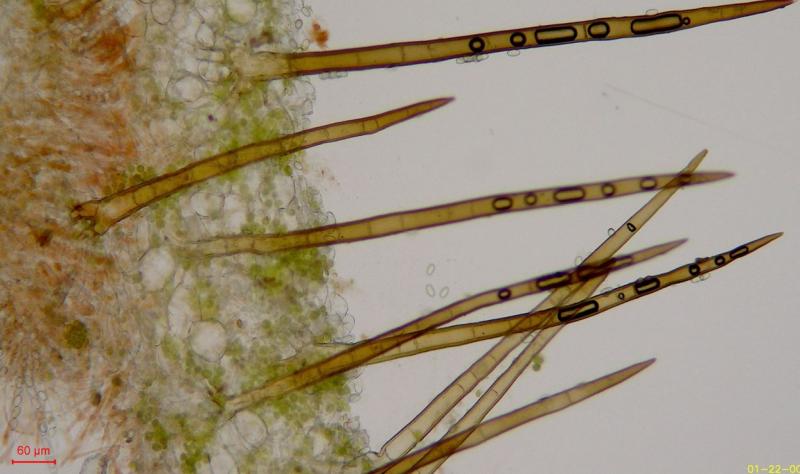
Hairs:
Brown, with double wall, septate and with pointed tip, no star-shaped hairs seen.
Length measured: Me = 709.7µm
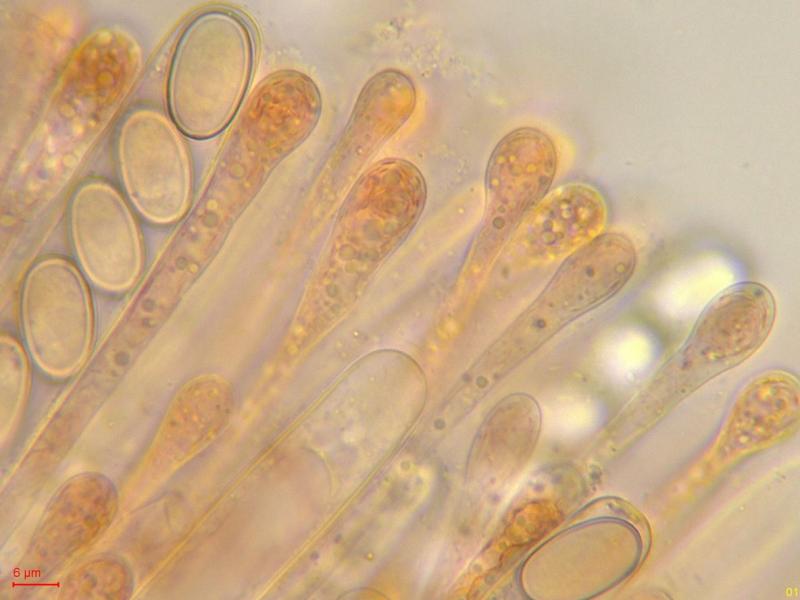
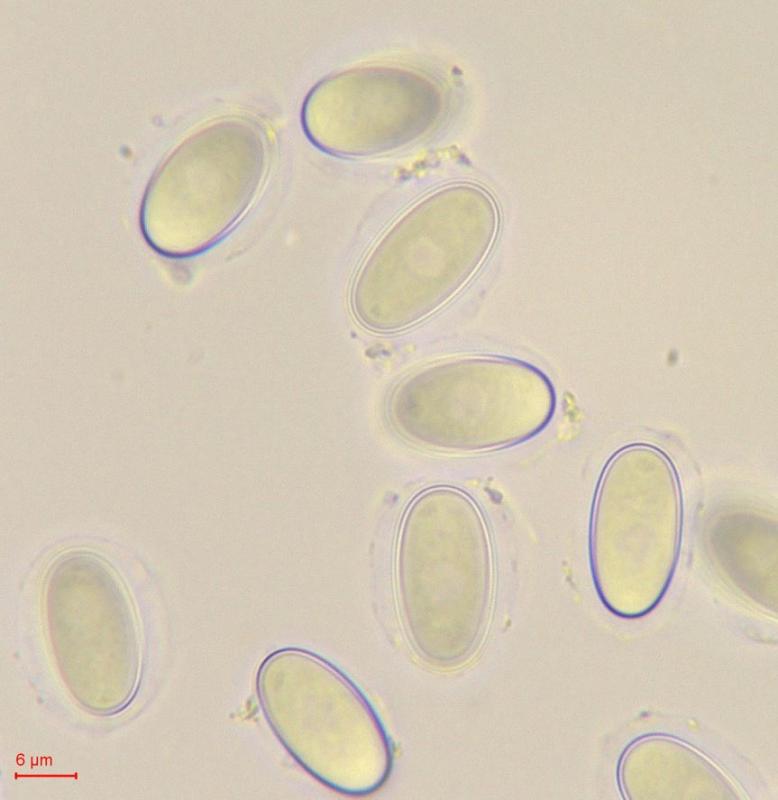
Spores:
Measured in water: (17.3) 17.5 - 18.3 (18.6) × 9.7 - 10.07 (10.1) µm; Qe = 1.8
Spores with double wall and perispore, not released in Melzers.
No ornamentation visible in CB.
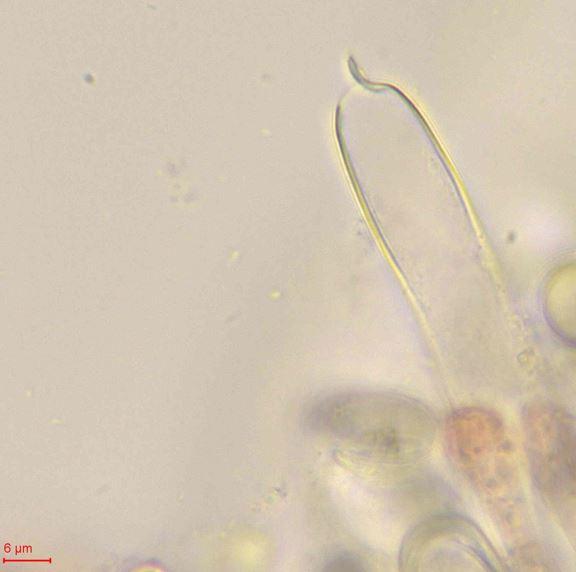
Asci:
Measured in water: Me = 199.8 × 14.5 µm
Paraphyses:
Orange, club-shaped thickened at the top, filled with guttules.
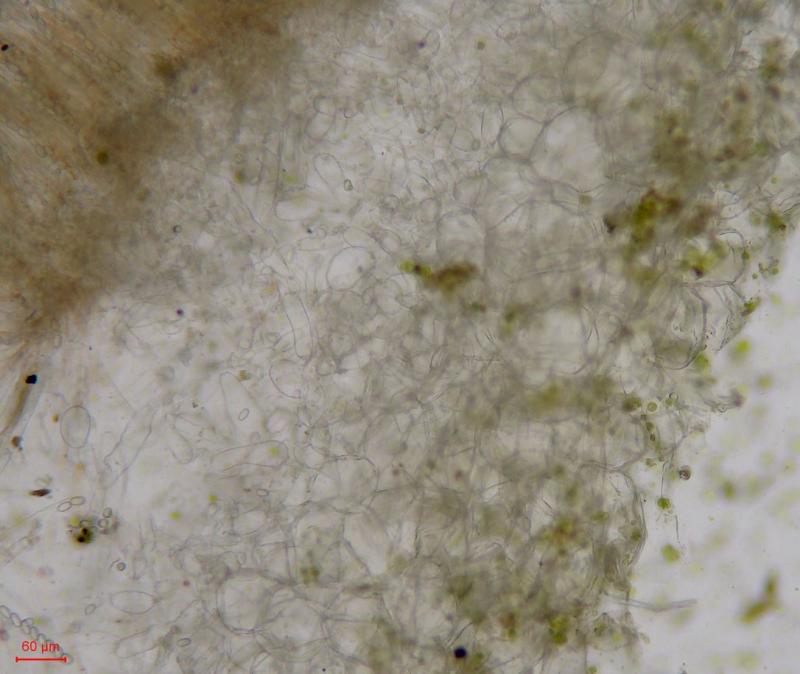
Excipulum:
Excipulum ectaal textura globosa-angularis.
Excipulum medullair textura subintricata.
We would like to know what species this could be?
Thanks in advance,
Geert&Margot
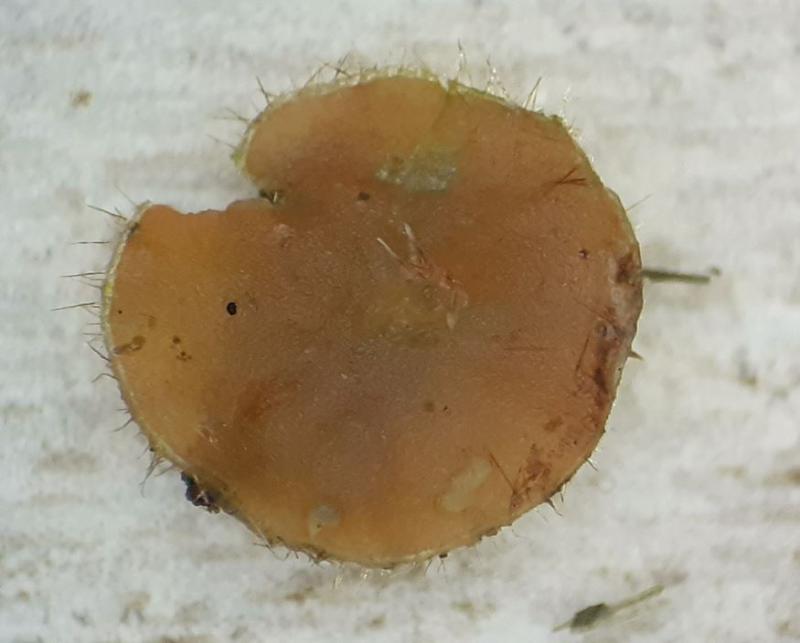

Michel Delpont,
25-01-2025 14:26

Re : Orange disc on horse dung
Hello.
Maybe look towards C.coprinaria.
Michel.
Nicolas VAN VOOREN,
25-01-2025 18:27

Re : Orange disc on horse dung
The French version of the key to Cheilymenia on ascomycete.org is a translation of Moravec's (2005) key which is in English.
Margot en Geert Vullings,
26-01-2025 10:27
Re : Orange disc on horse dung
Thanks Michel and Nicolas, C. coprinaria seems to fit our find.
With the key we come to C. insignis, a species that does not fit with the spore size and C. coprinaria is not in it.
Kind regards, Margot&Geert