
12-06-2026 14:50
 François Freléchoux
Bonjour, Voici la brève description d'une Mollis
10-06-2026 21:16
François Freléchoux
Bonsoir,Le dernier du jour, en attendant votre avi
11-06-2026 19:01
 William Slosse
Hello all,In an attempt to make a culture of a sus
11-06-2026 19:03
 Nicolas VAN VOOREN
Chers membres d'Ascofrance,Le site sera placé en

09-06-2026 18:32
Camille MertensSur morceau de roseau immergé 0,5 - 0,7 mm de dia
10-06-2026 12:54
Steve ClementsBonjour encore, Pouvez-vous m'aider, s'il vous pl
10-06-2026 21:07
François Freléchoux
Toutes les tiges de gentianes jaunes de l'an passÃ
10-06-2026 13:41
François Freléchoux
Bonjour à nouveau, Voici une trouvaille d'hier.
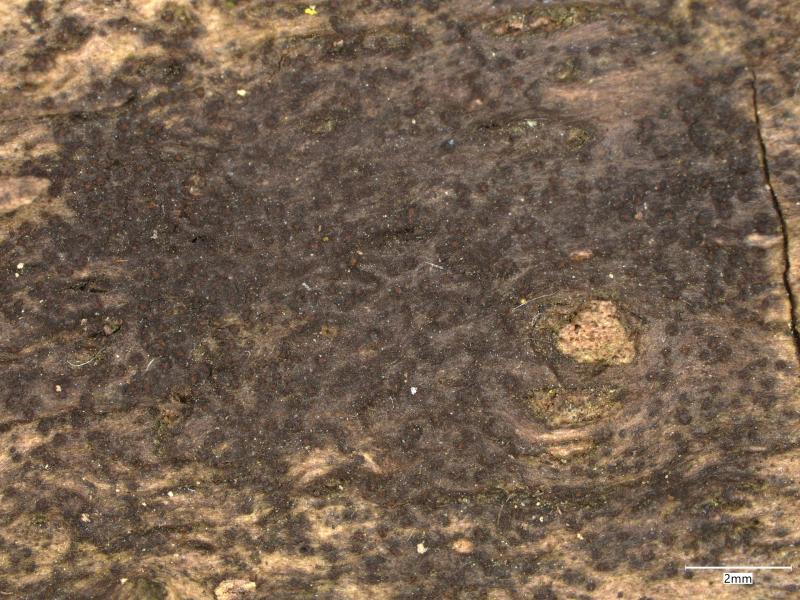
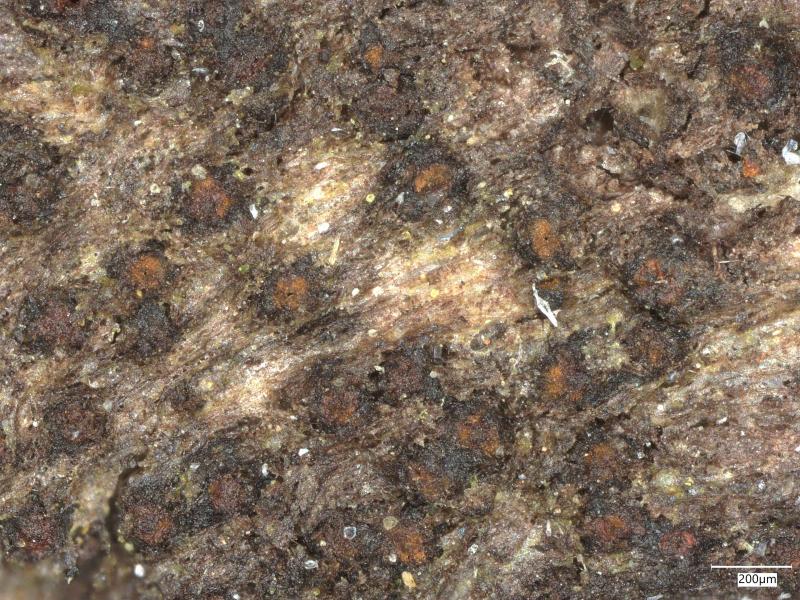
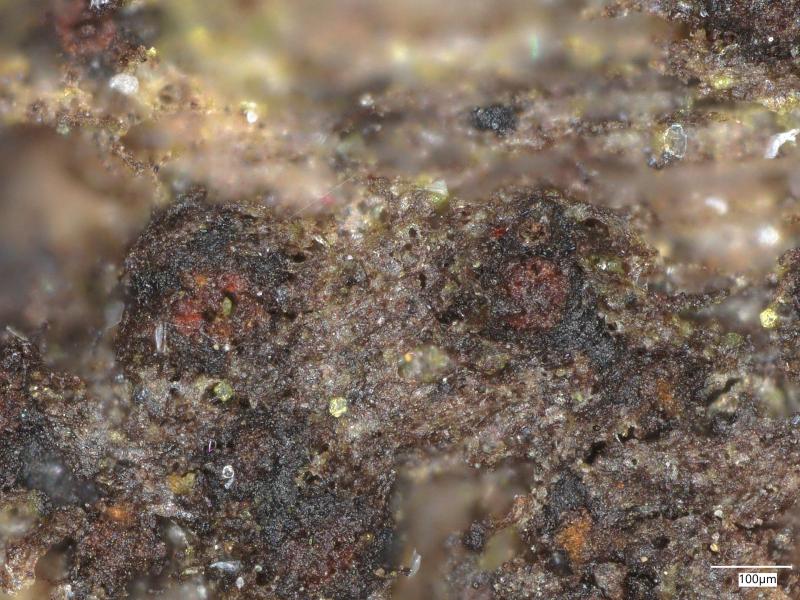
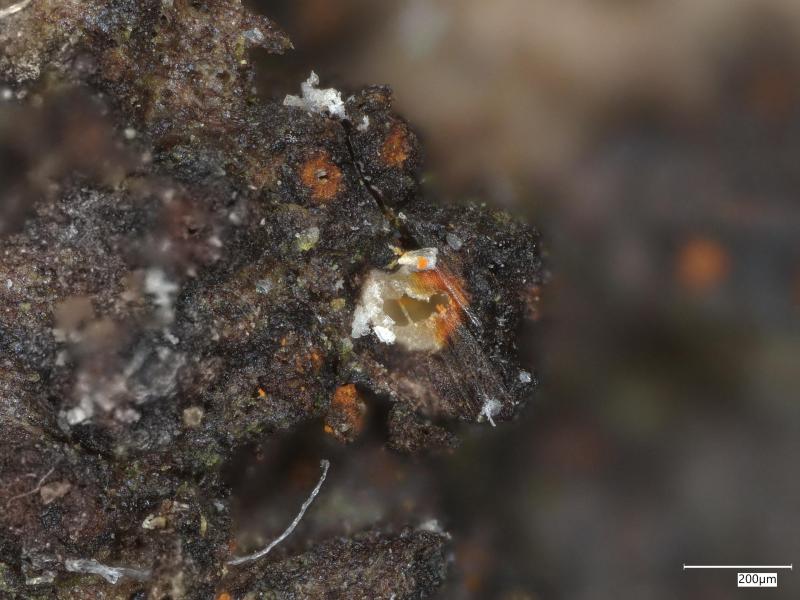
Orange ostioles on Populus tremula bark
Gernot Friebes,
14-02-2025 12:57
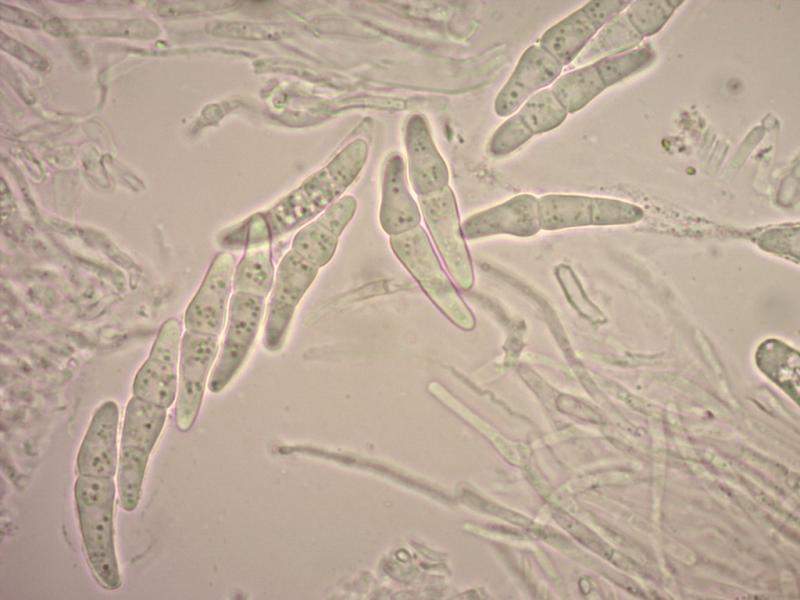
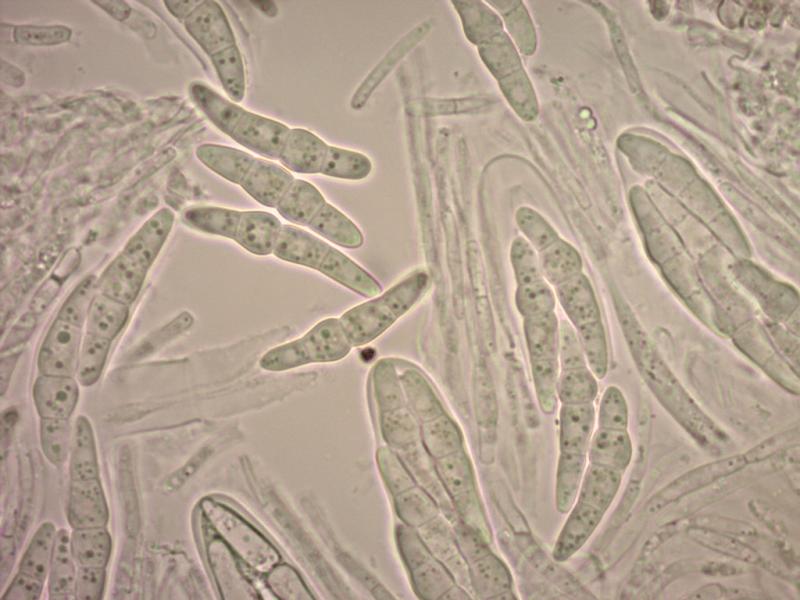
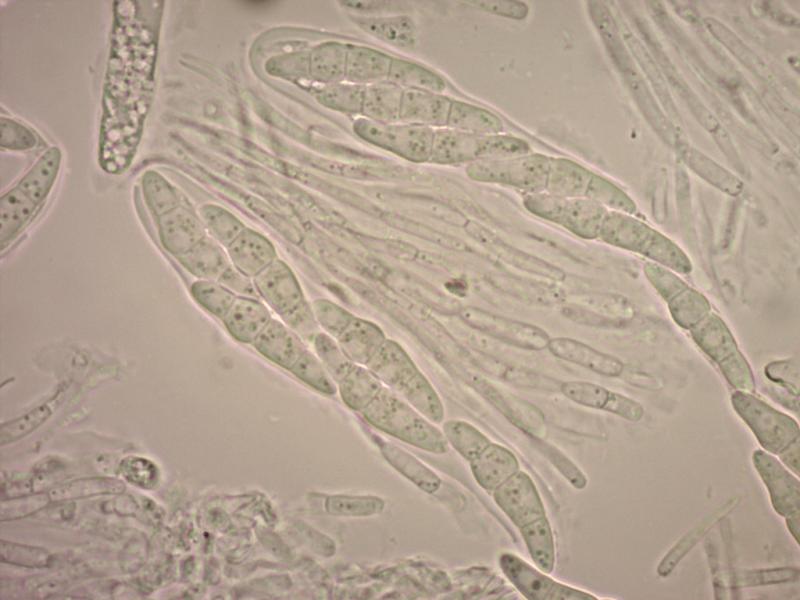
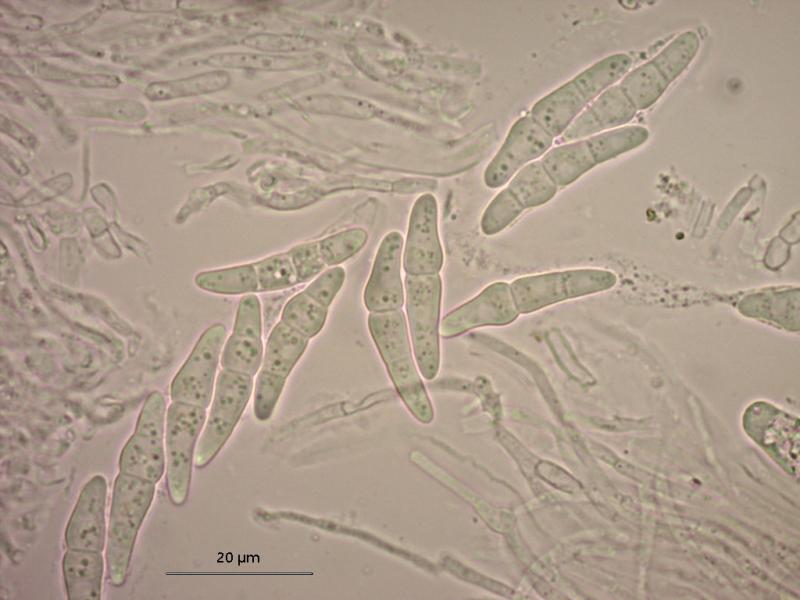
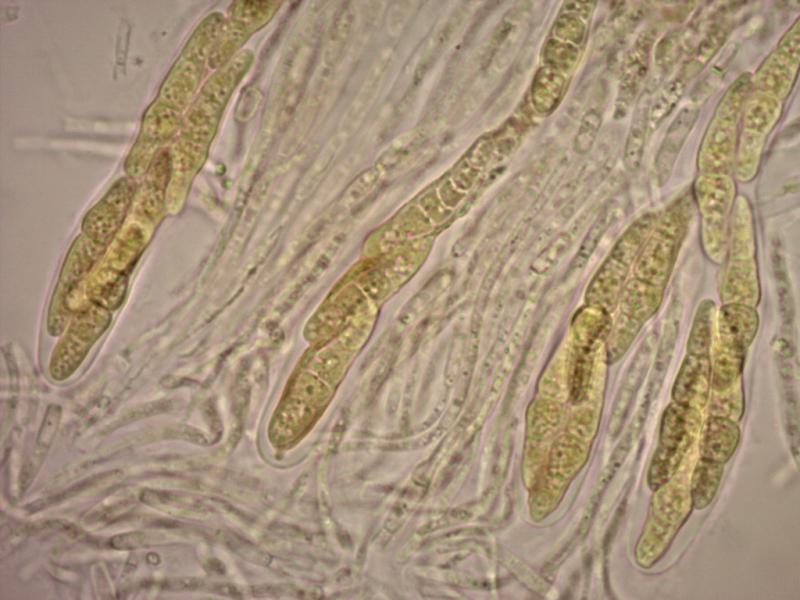
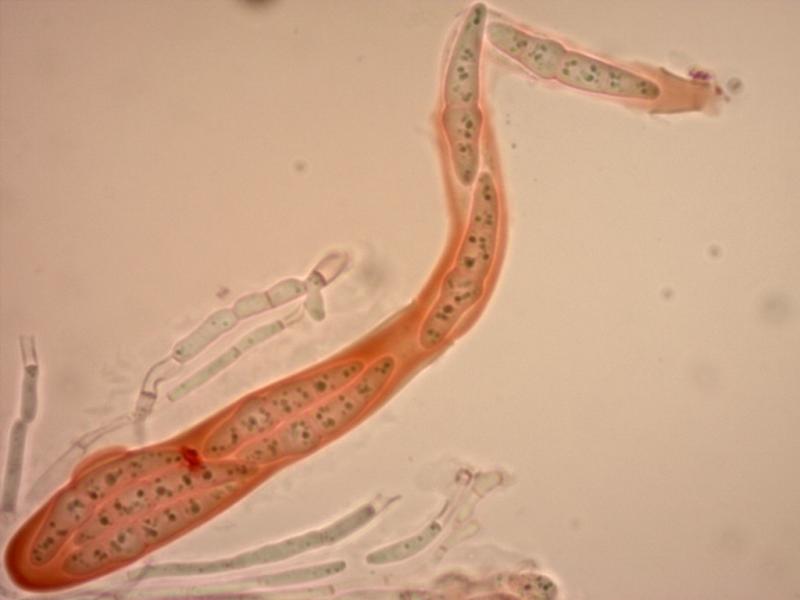
we are looking for ideas regarding this pyrenomycetoid fungus with orange to red ostioles, collected on bark of Populus tremula. It is very distinctive, so I hope that someone might recognise it.
Thank you and best wishes,
Gernot

Ethan Crenson,
14-02-2025 15:50
Re : Orange ostioles on Populus tremula bark
It looks quite a bit like Byssosphaeria. Could be Byssosphaeria rhodomphala that has seen better days. Or something similar.
Gernot Friebes,
14-02-2025 16:17
Re : Orange ostioles on Populus tremula bark
Thank you for your suggestion, Ethan. Byssosphaeria was my first thought, but I don't know any species that fits well. Byssosphaeria rhodomphala is described with brown ascospores, in this specimen they are hyaline.
Best wishes,
Gernot
Best wishes,
Gernot