10-06-2026 21:16
 François Freléchoux
Bonsoir,Le dernier du jour, en attendant votre avi
11-06-2026 19:01
 William Slosse
Hello all,In an attempt to make a culture of a sus
11-06-2026 19:03
 Nicolas VAN VOOREN
Chers membres d'Ascofrance,Le site sera placé en

09-06-2026 18:32
Camille MertensSur morceau de roseau immergé 0,5 - 0,7 mm de dia
10-06-2026 12:54
Steve ClementsBonjour encore, Pouvez-vous m'aider, s'il vous pl
10-06-2026 21:07
François Freléchoux
Toutes les tiges de gentianes jaunes de l'an passÃ
10-06-2026 13:41
François Freléchoux
Bonjour à nouveau, Voici une trouvaille d'hier.
10-06-2026 11:53
Steve ClementsBonjour, This disco is abundant on dead stems of
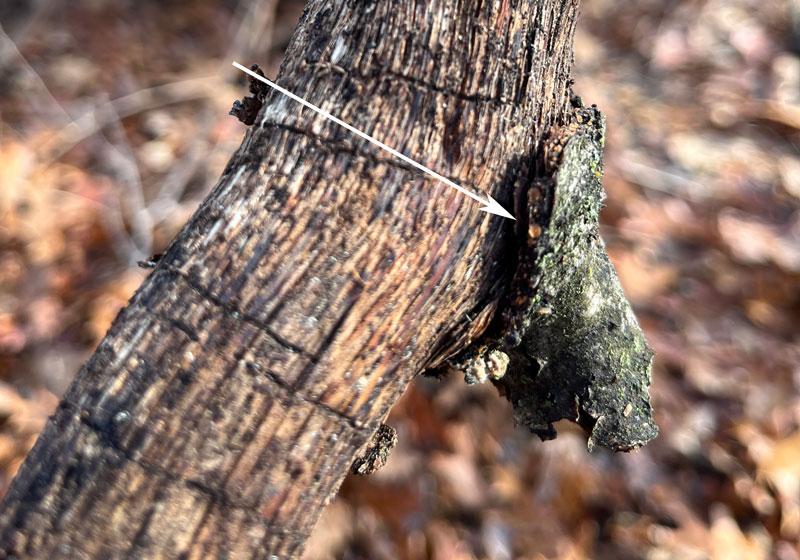
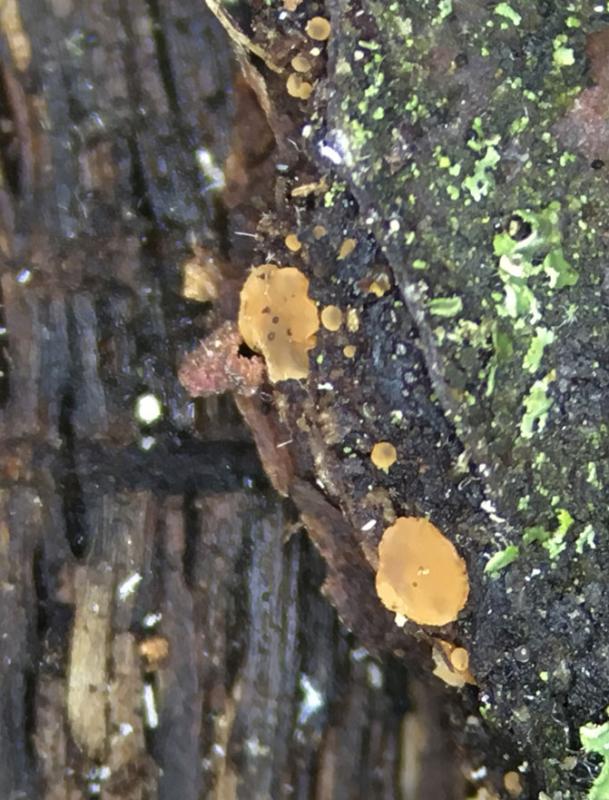
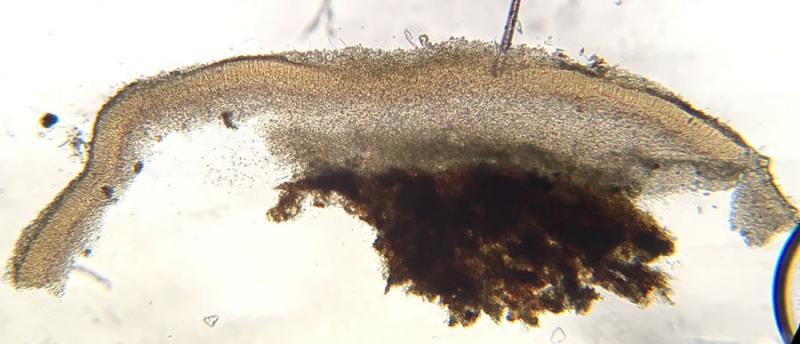
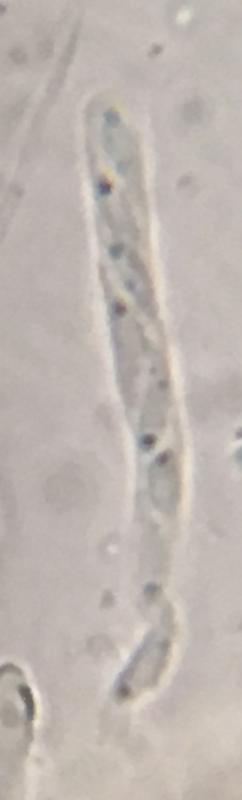
A friend found this Orbilia growing on bark of hard wood lying on the ground in New York City.
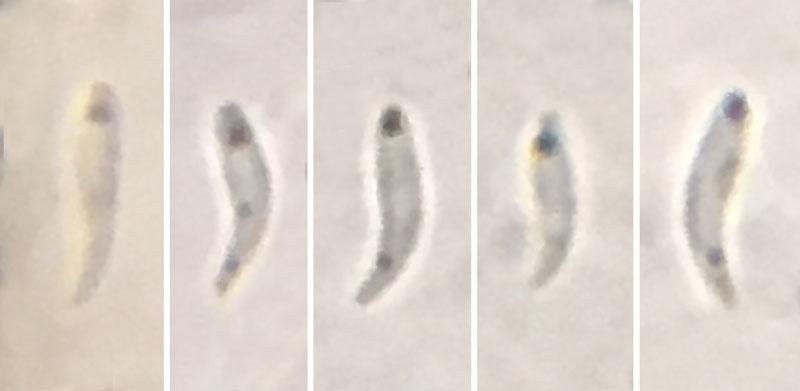
Spores are somewhat curved, maybe not quite curved enough to be considered falcate. They may curve in two dimensions but it is difficult for me to tell with my equipment. They are acute, or nearly so at the tail end.
6.3-8.2 x 1.4-1.6µm
The spore body is 0.8-1.3µm long and in most cases a comparable width.
Ascus 36 x 3.5µm. It appears that at least some of the bottom spores have the spore body oriented downward.
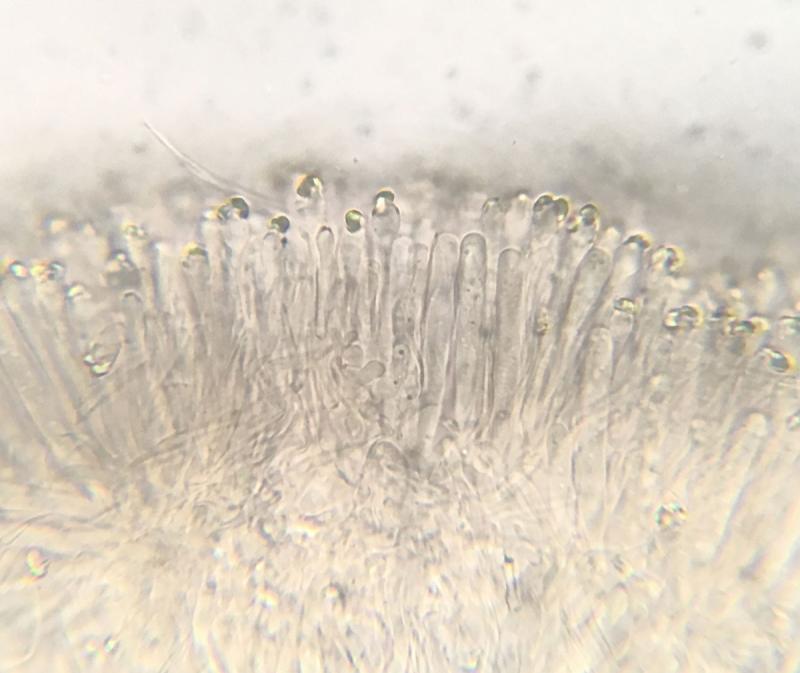
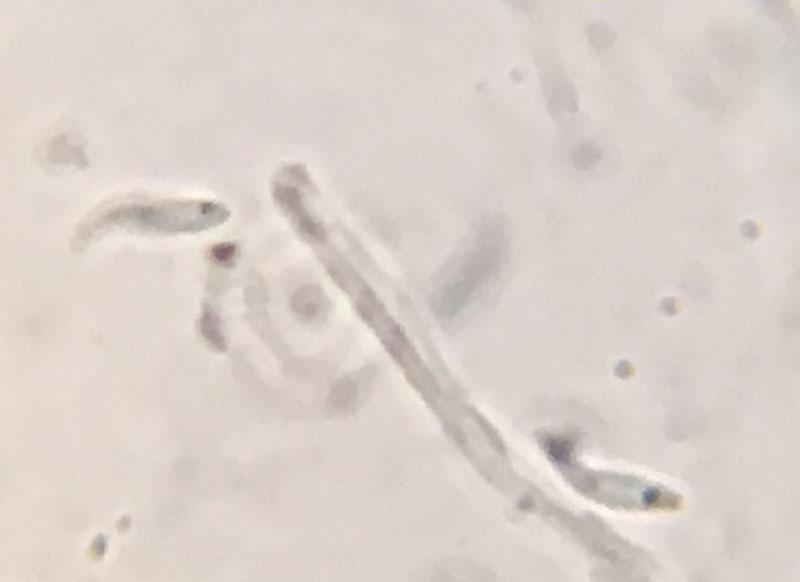
Paraphyses are capitate, mammiform, with refractive exudate covering them. Width reaching about 4µm wide.
Is it possible to say which Orbilia this is?
Thanks!
Ethan