
30-05-2026 21:12
Philippe PELLICIERSur branche de mélèze (Larix) près de la neige,
31-05-2026 10:35
Hulda Caroline HolteHello,I collected this species growing on a rather
25-05-2026 16:35
 Bernard CLESSE
Bonjour à toutes et tous,J'ai trouvé récemment,
29-05-2026 15:35
daniel FERREBonjour à tous,Je voudrais votre aide pour cette
28-05-2026 16:15
James MitchellHello,Does anyone have the original publication of
28-05-2026 11:06
Thomas Læssøehttps://svampe.databasen.org/observations/10596750
23-05-2026 11:44
 Charles Grapinet
Hello, I am having trouble identifying this copro
25-05-2026 16:44
François BartholomeeusenHi forum members,During an excursion organised by
26-05-2026 21:25
Dirk GerstnerHello everyone, I'm completely stumped by this li
26-05-2026 22:44
Ethan CrensonHi all, I think I have Incrucipulum capitatum her
White apothecia on Homalothecium lutescens
Csaba Németh,
01-03-2026 15:31
 Hello!
I found these apothecia on Homalothecium luescens in an abandoned quarry in Hungary. Does anyone have any idea what species this might be?
asci: 50-75x6,5-9 µm
ascospores: 10-14 x 3,2-3,6 µm, septate
paraphyses without VBs
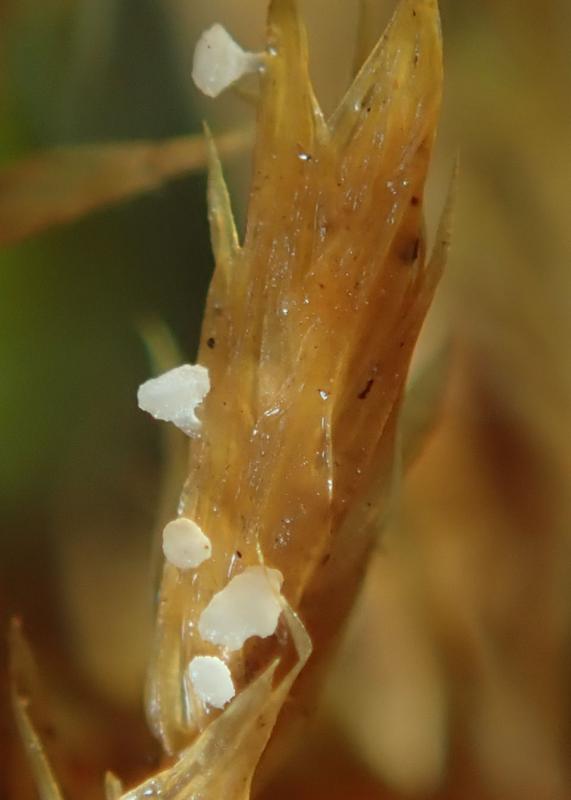
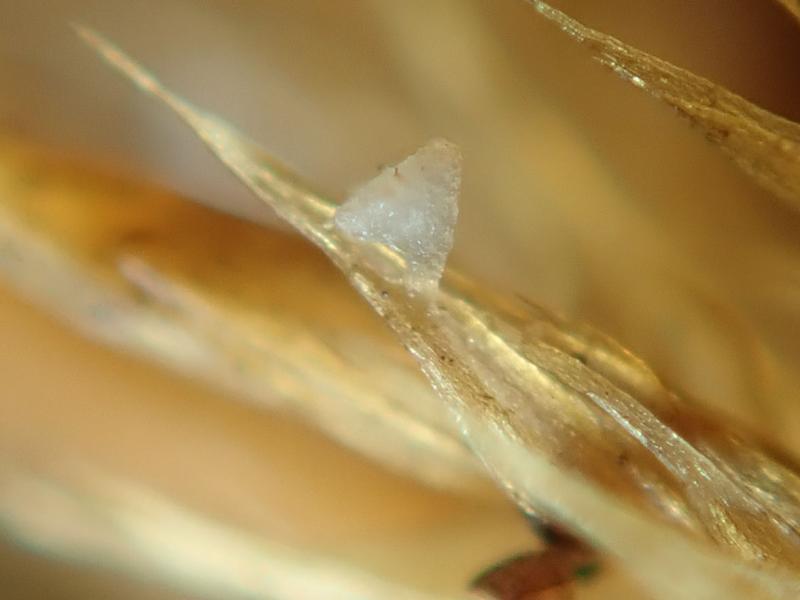
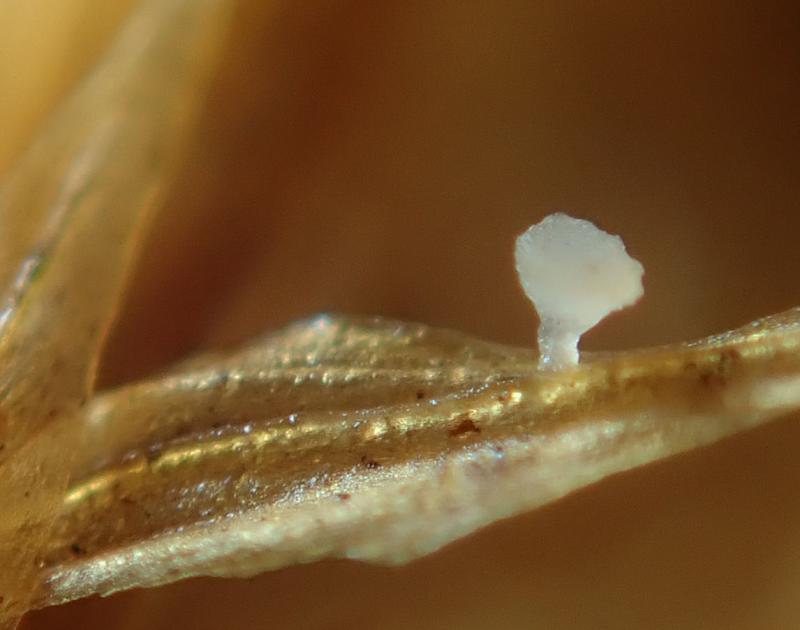
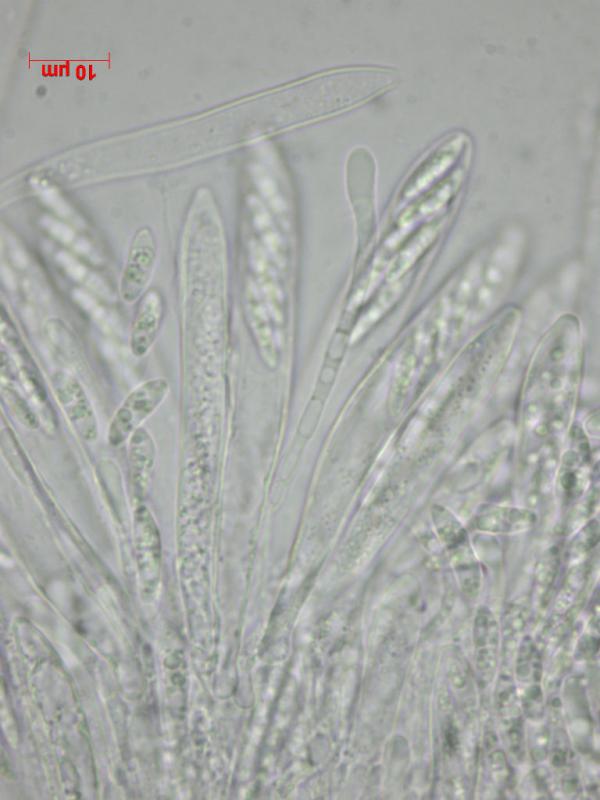
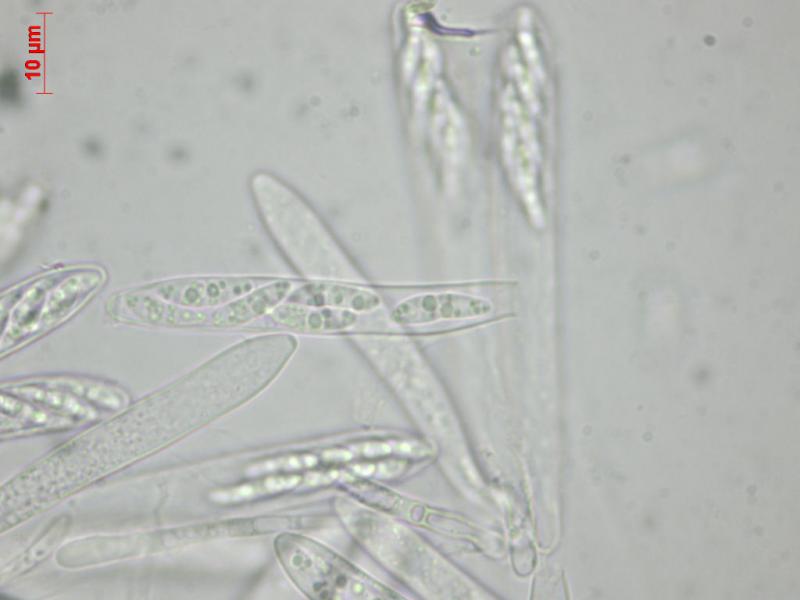
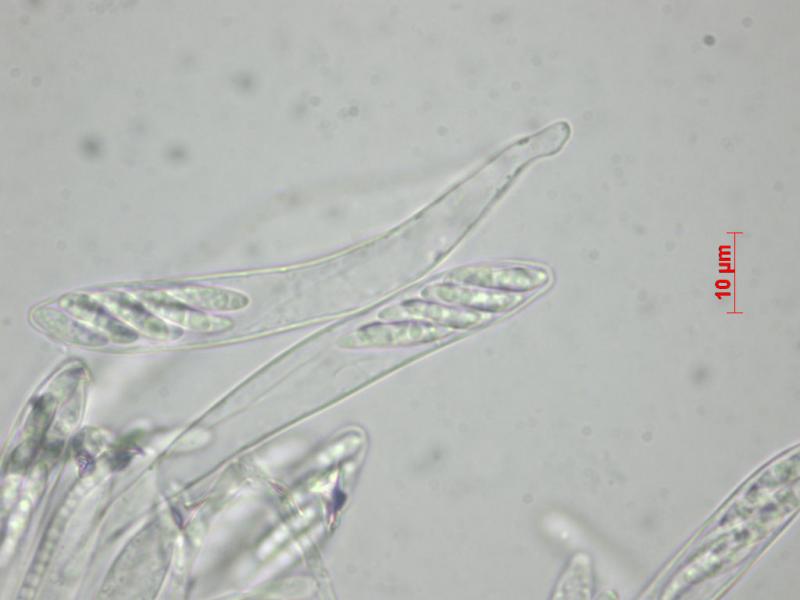
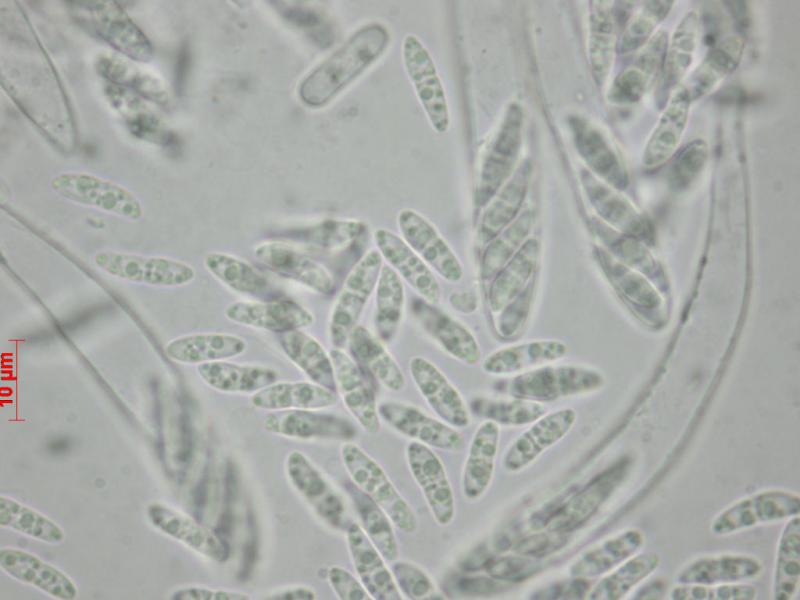
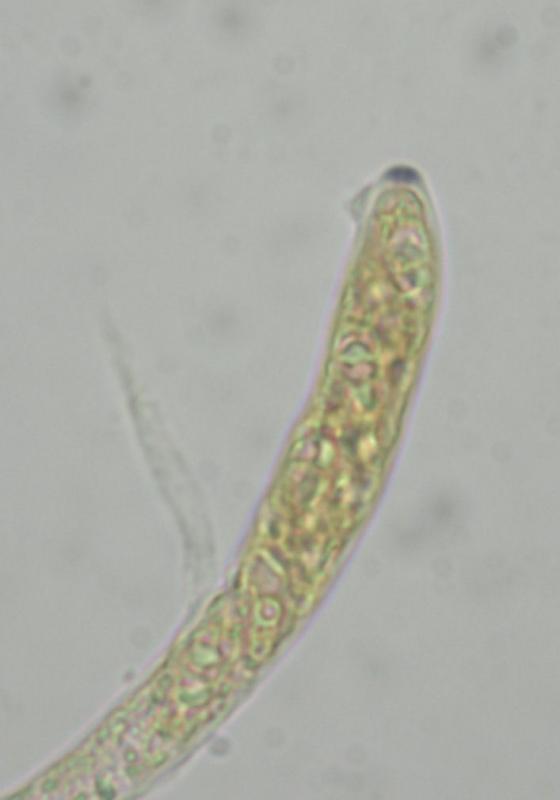
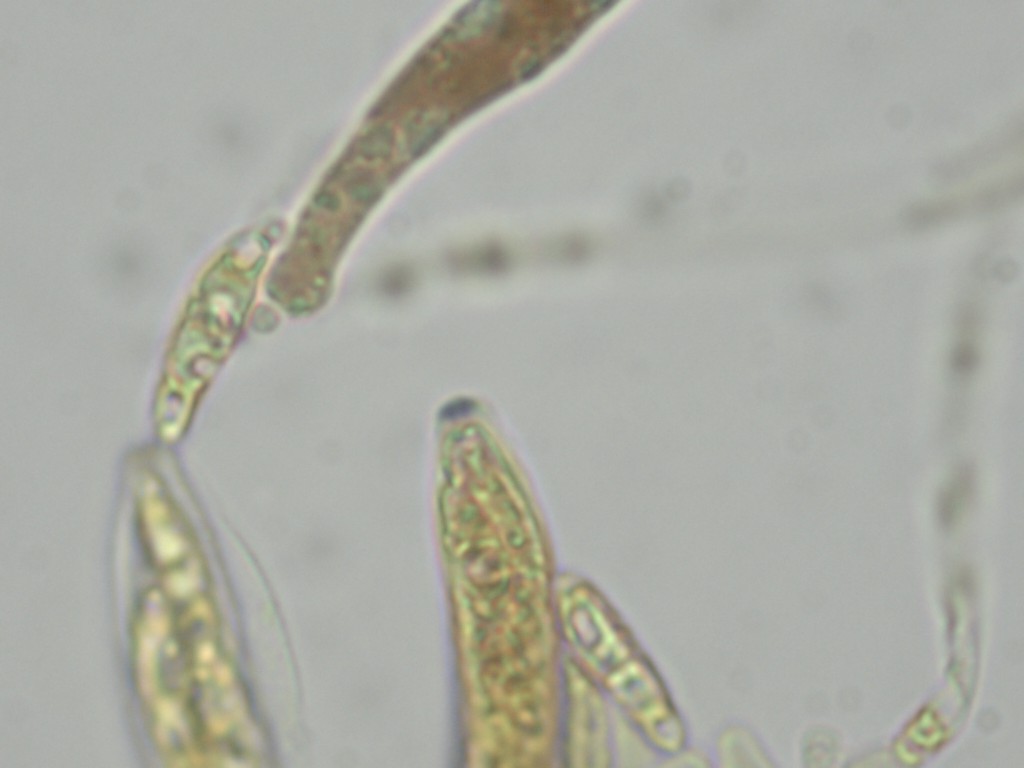 Image105143-0002.jpg
Hans-Otto Baral,
01-03-2026 16:19

Re : White apothecia on Homalothecium lutescens
The question is also which genus this might be. Surely not Bryoscyphus, because of the apical ring. Do you have an idea or a pjhoto of the excipulum?
Calycina and Allophylaria usually have VBs in the paraphyses, unlike this. A relationship with "B." turbinatus is possible. That species has crystals in the medulla and a low lipid content of the spores.
Could you clarify the ascus base for croziers?
Csaba Németh,
01-03-2026 17:25
Re : White apothecia on Homalothecium lutescens
Thanks, Zotto! I'm attaching some pictures of the excipulum. I didn't observe the presence of croziers.
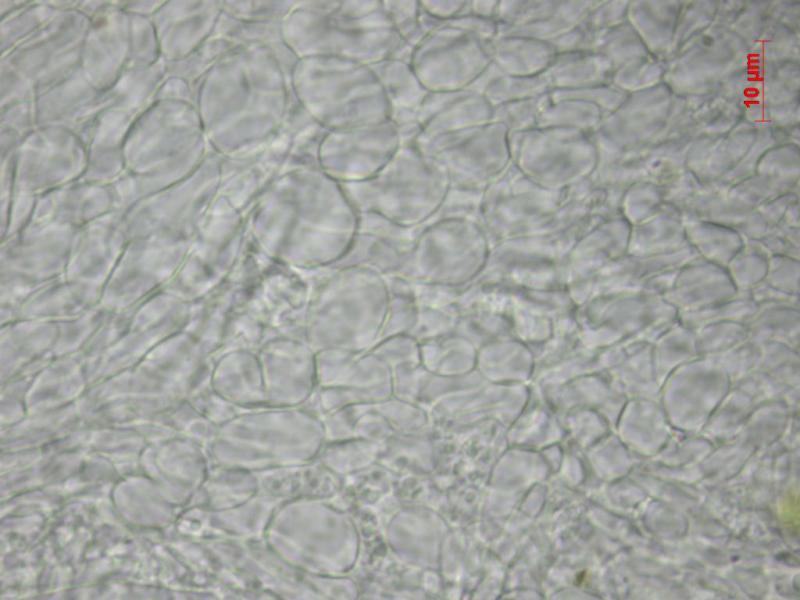
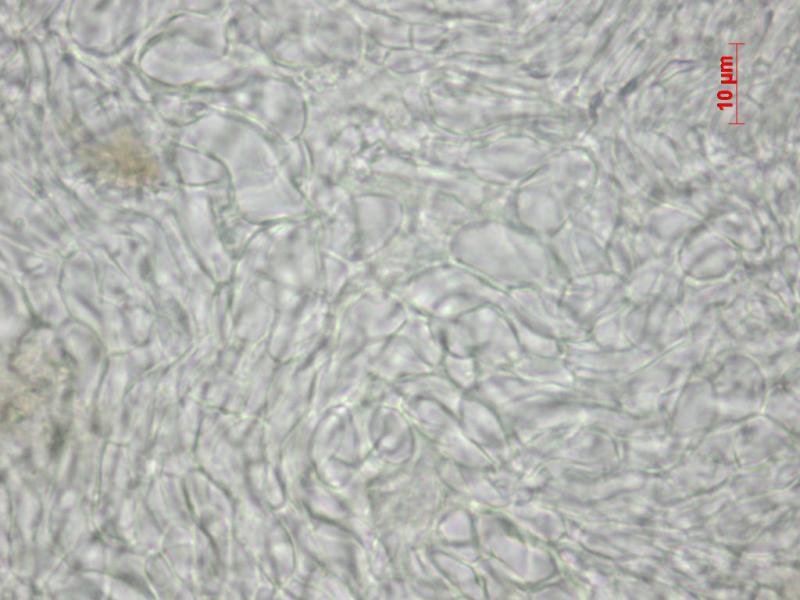
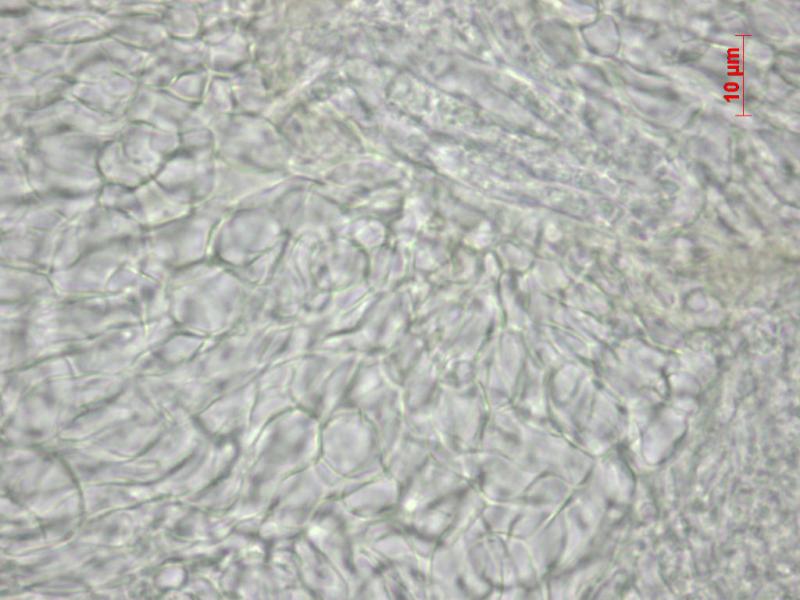
Hans-Otto Baral,
01-03-2026 17:39
Re : White apothecia on Homalothecium lutescens
From the cells I guess it could be similar to B. turbinatus. For the medulla you have no observation? Do you think croziers are absent?
Michel Hairaud,
01-03-2026 18:11

Re : White apothecia on Homalothecium lutescens
Hi Csaba and Zotto,
I agree with rejecting a true Bryoscyphus of course
The spores here are obviously septate, which, as far as I can remember is not the case in the so called B. turbinatus . And the habitus is also different
It would be interesting to see more paraphyses to make sure that Calycina has also to be rejected for this collection.
Amitiés. Michel
I agree with rejecting a true Bryoscyphus of course
The spores here are obviously septate, which, as far as I can remember is not the case in the so called B. turbinatus . And the habitus is also different
It would be interesting to see more paraphyses to make sure that Calycina has also to be rejected for this collection.
Amitiés. Michel