
10-06-2026 21:16
 François Freléchoux
Bonsoir,Le dernier du jour, en attendant votre avi
11-06-2026 19:01
 William Slosse
Hello all,In an attempt to make a culture of a sus
11-06-2026 19:03
 Nicolas VAN VOOREN
Chers membres d'Ascofrance,Le site sera placé en

09-06-2026 18:32
Camille MertensSur morceau de roseau immergé 0,5 - 0,7 mm de dia
10-06-2026 12:54
Steve ClementsBonjour encore, Pouvez-vous m'aider, s'il vous pl
10-06-2026 21:07
François Freléchoux
Toutes les tiges de gentianes jaunes de l'an passÃ
10-06-2026 13:41
François Freléchoux
Bonjour à nouveau, Voici une trouvaille d'hier.
10-06-2026 11:53
Steve ClementsBonjour, This disco is abundant on dead stems of
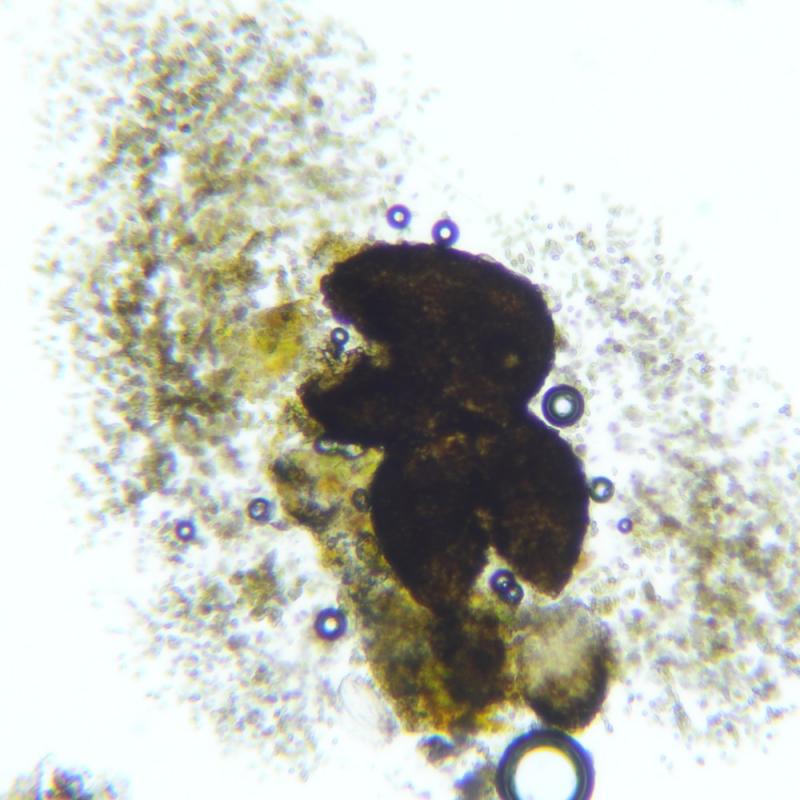
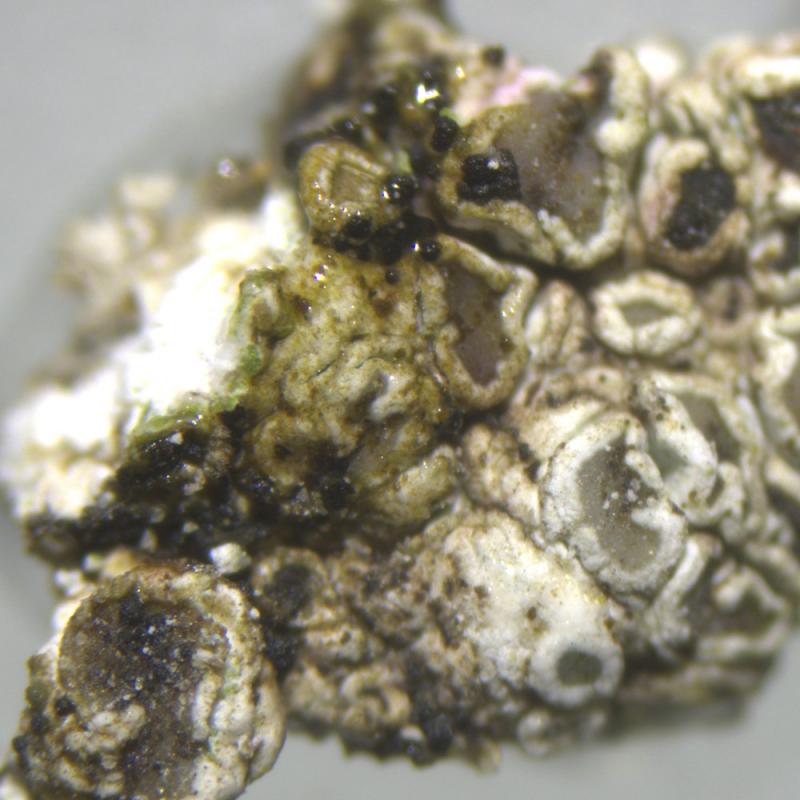
We found groups of perithecia on a Lecanora/Myriolecis spec (probably Myriolecis dispersa) and can't find a name for it.
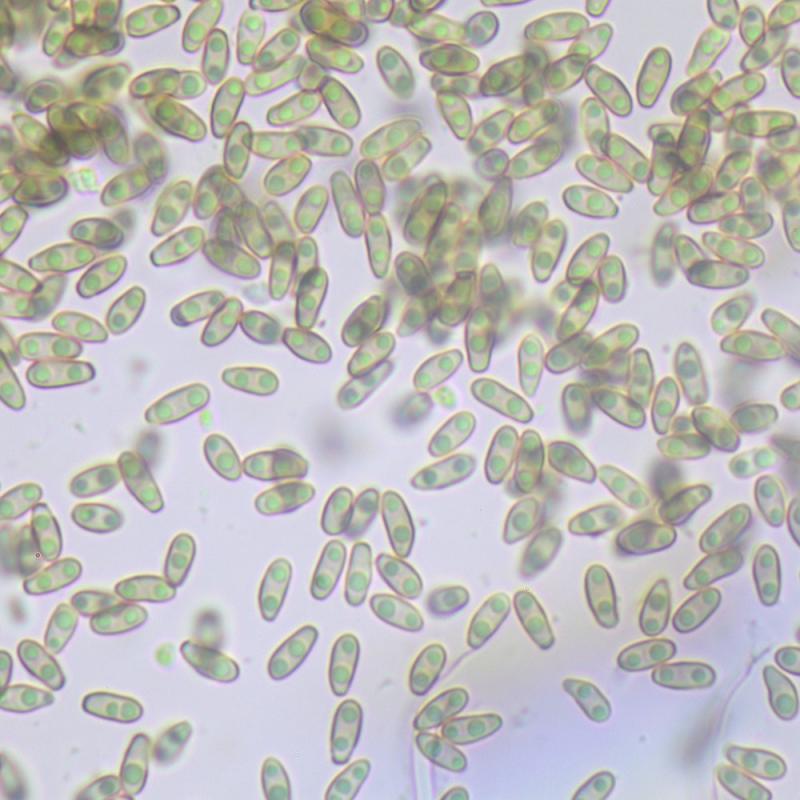
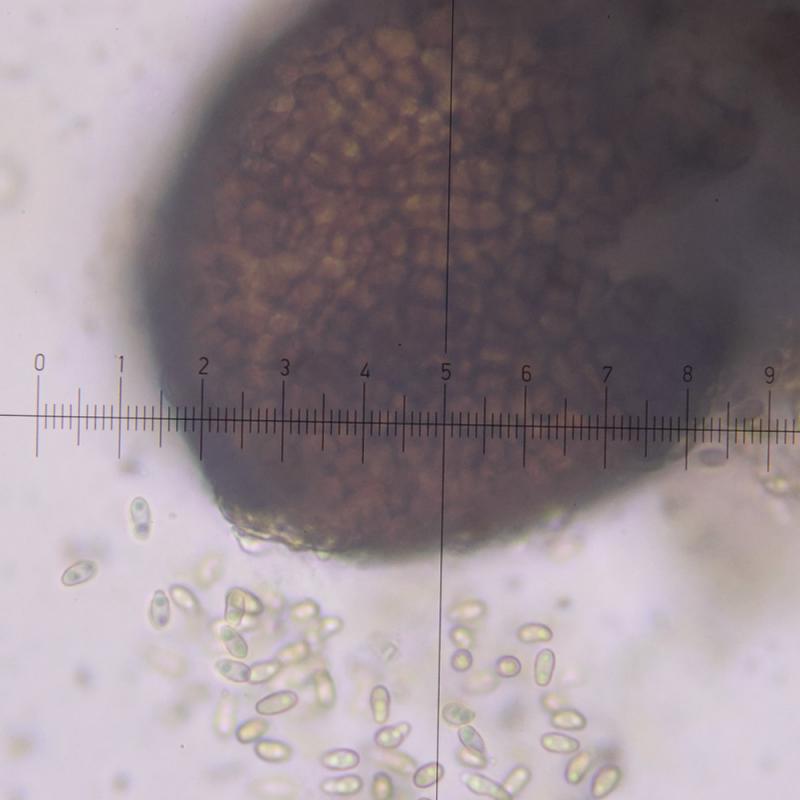
Host lichen was growing on basalt blocks near the waterline of a dyke. Perithecia mainly on the apothecia of the host. Conidia bigutate, ellipsoid sometimes with little deformations, measuring 7,5-8,5 x 3,0-3,5 ?m.
So far I considered the genus Unguiculariopsis, but dismissed it because of the lack of asci.
Does anyone have any suggestions? Thanks in advance.
Kind regards,
Niek and Tom Schrier
For more pics, see https://waarneming.nl/observation/382858810/
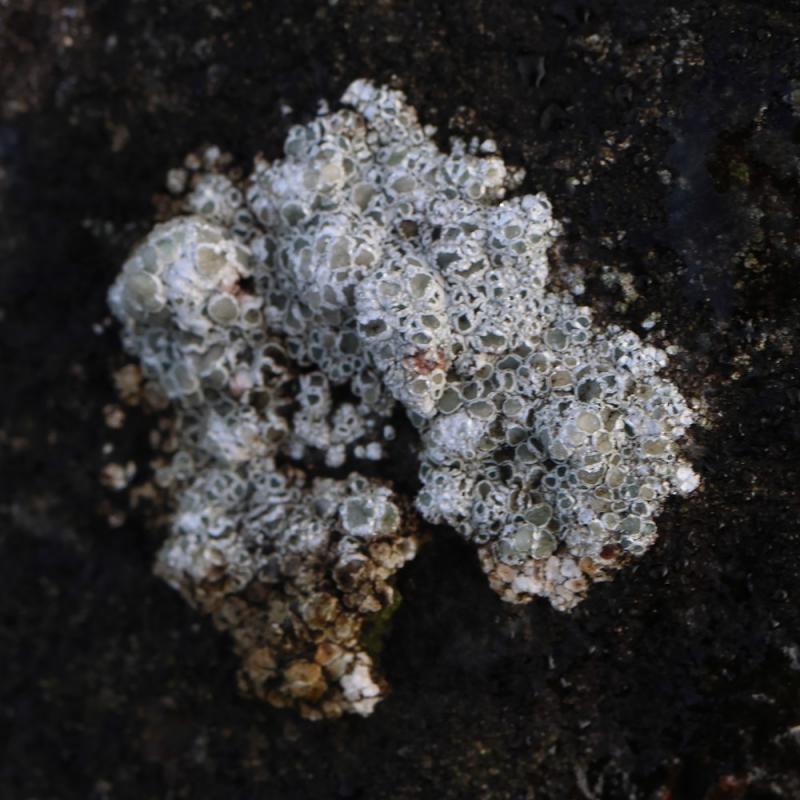


Mais je n'oublie pas tous les autres membres de ce forum, soyez tous en pleine forme cette année pour continuer de faire vivre l'étude des ascomycètes.
Meilleurs voeux à Ascofrance !
And ofcourse best wishes for 2026 (Alain aswell)!
Sorry for the confusion. We only saw pycnidia, so my search into Unguiculariopsis was not a smart move. But due to the fruiting bodies that looked to be on top of the apothecia, this Genus came to mind.
I took a look at Didymocyrtis and used the key in Ertz et al. 2015 (https://www.researchgate.net/publication/283945855), leading to D. bryonthae. That matches in conidia and protruding pycnidia, however it is only found on Lecanora epibryon (which looks to grow similar as the infected thallus we saw, but is a different species not found in the Netherlands). Are other hosts possible for bryonthae? Or could it be D. slaptoniensis? I only found slaptoniensis on
Xanthoria and Physcia.
Kind regards,
Niek