29-05-2026 15:35
daniel FERREBonjour à tous,Je voudrais votre aide pour cette
28-05-2026 16:15
James MitchellHello,Does anyone have the original publication of
28-05-2026 11:06
Thomas Læssøehttps://svampe.databasen.org/observations/10596750
23-05-2026 11:44
 Charles Grapinet
Hello, I am having trouble identifying this copro
25-05-2026 16:44
François BartholomeeusenHi forum members,During an excursion organised by
26-05-2026 21:25
Dirk GerstnerHello everyone, I'm completely stumped by this li
26-05-2026 22:44
Ethan CrensonHi all, I think I have Incrucipulum capitatum her
22-05-2026 14:44
 Lothar Krieglsteiner
in unripe condition citrine yellow, then soon fadi
25-05-2026 16:35
 Bernard CLESSE
Bonjour à toutes et tous,J'ai trouvé récemment,
22-05-2026 13:29
Gernot FriebesHi,I am curious to hear your opinion on this mater
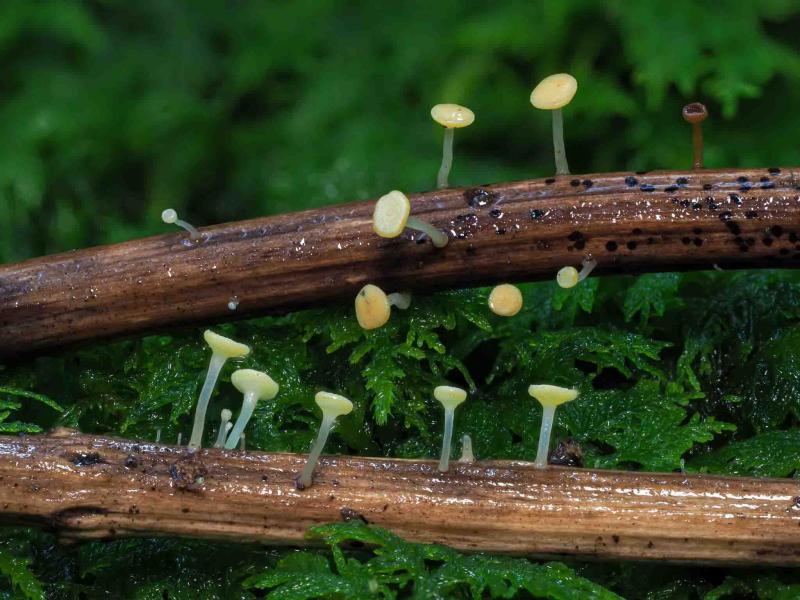
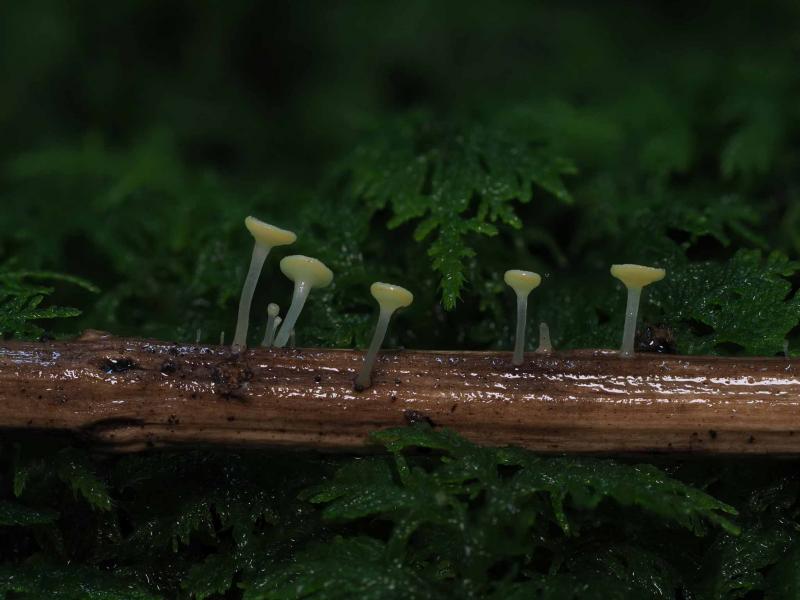
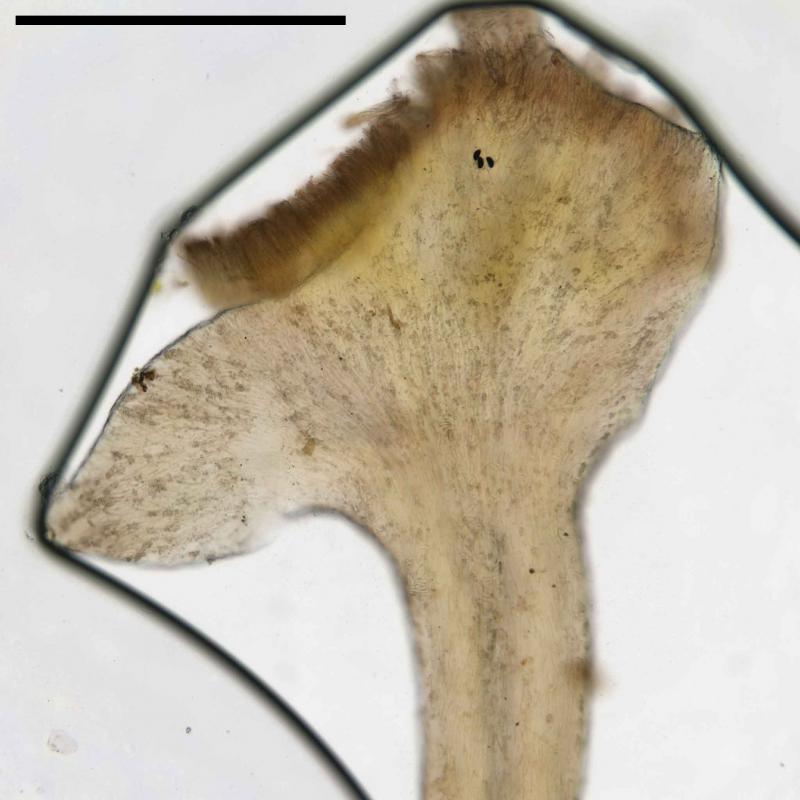
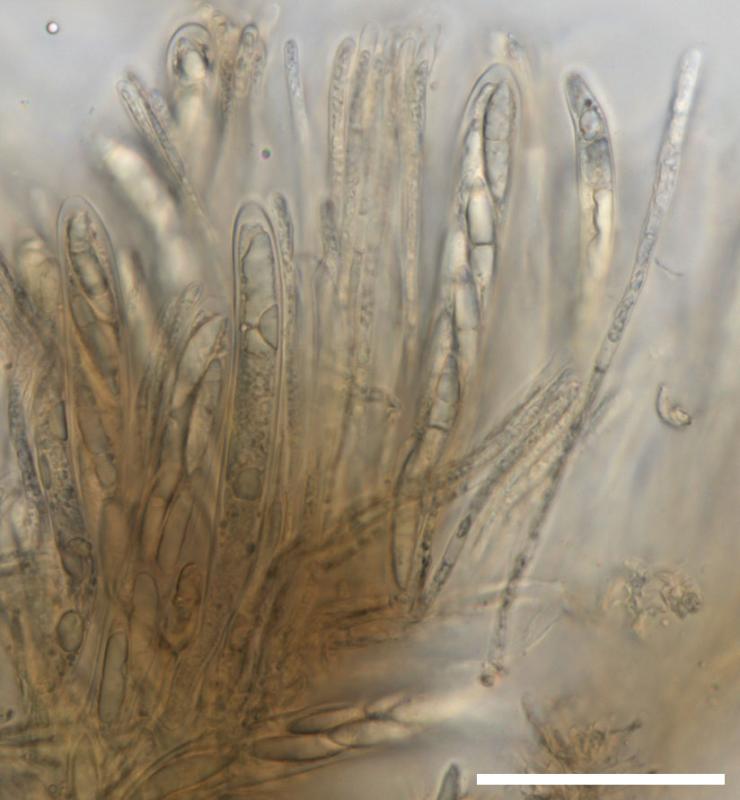
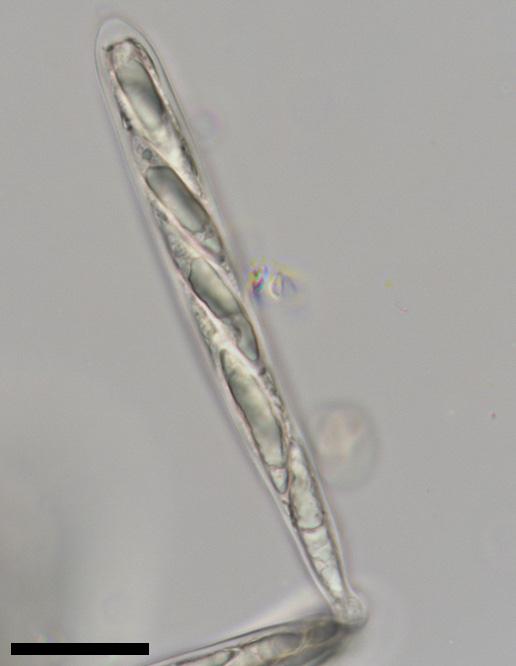
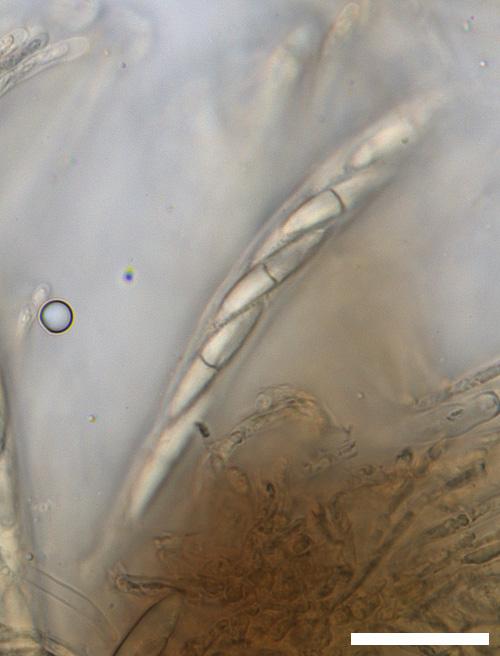
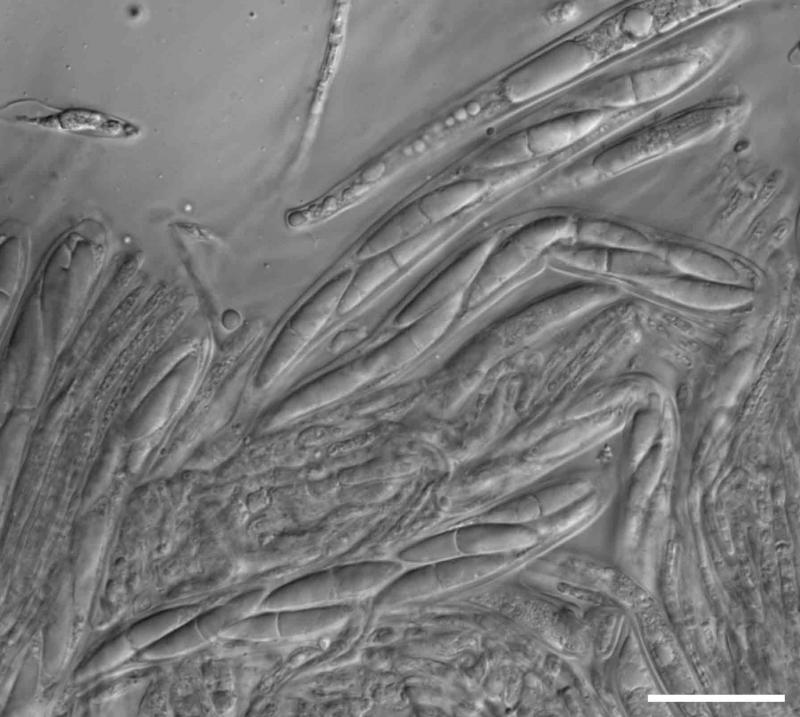
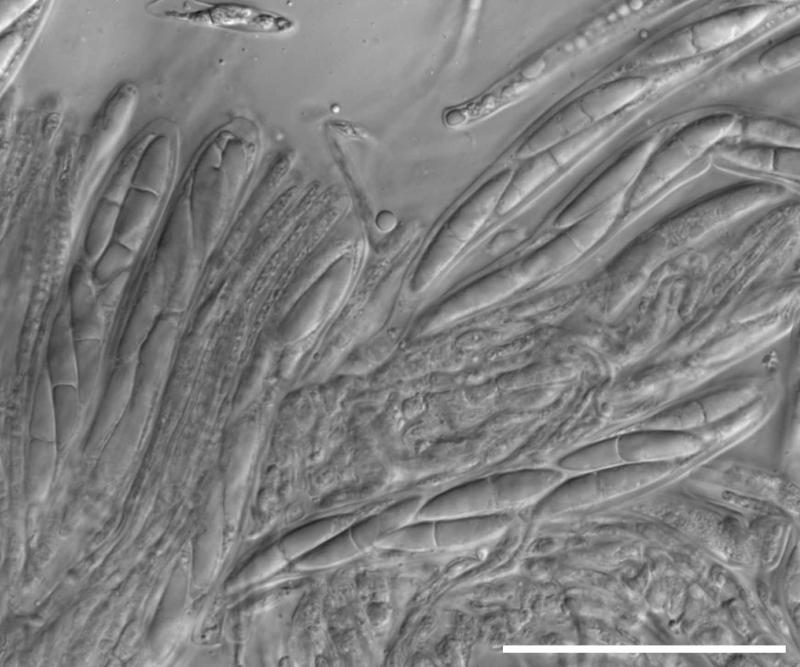
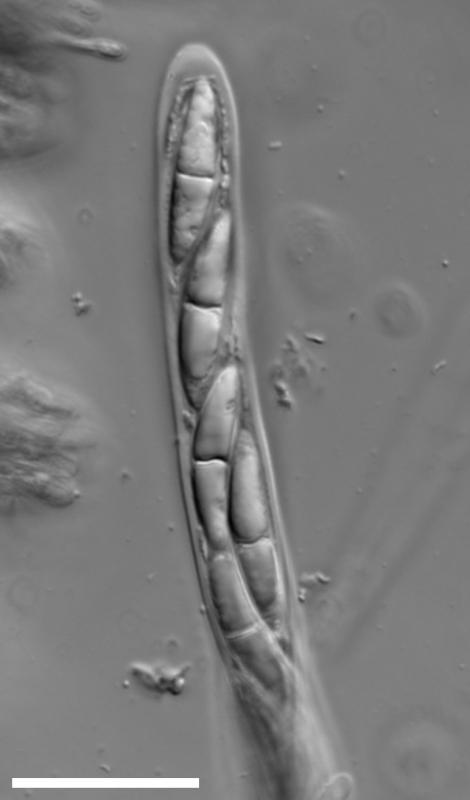
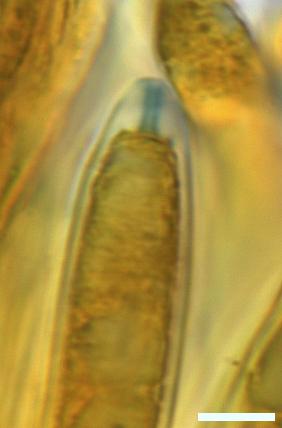
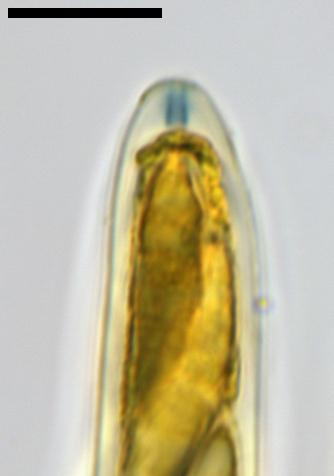
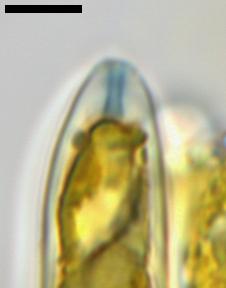
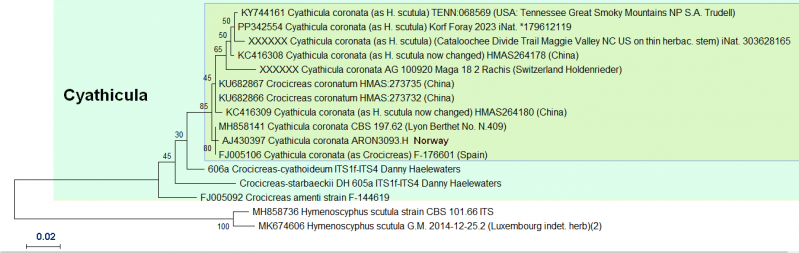
 Cyathicula coronata on Urtica dioica
Cataloochee Divide Trail, Great Smoky Mountains National Park, Haywood County, North Carolina, USA
https://www.inaturalist.org/observations/303628165
photo credits: Connor Dooley & Fenner Martin Morse
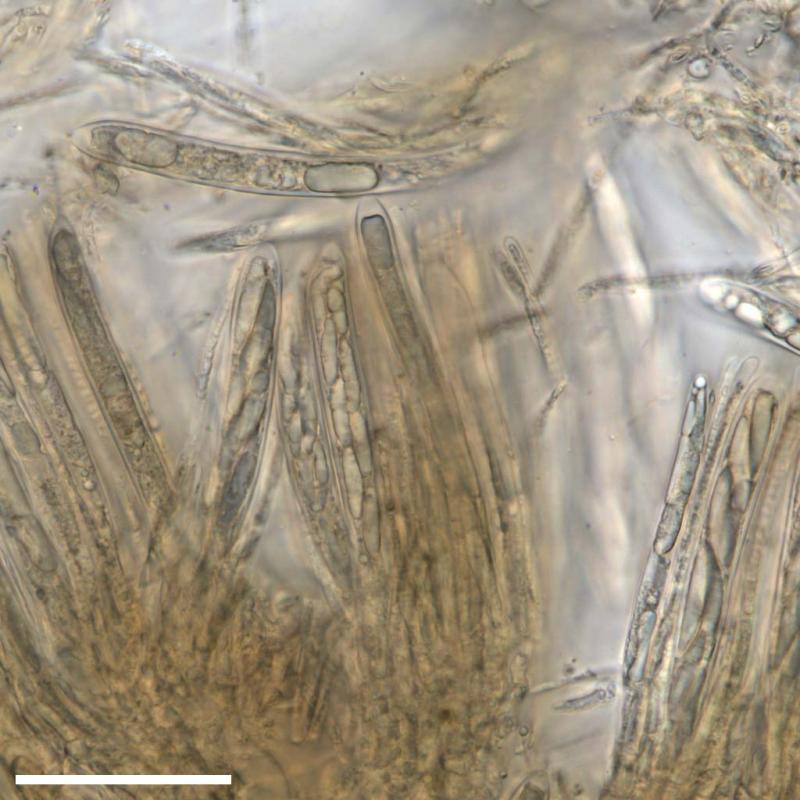
micrographs: Patrick Verdier
sequence available at iNaturalist link
Spores:
(19.8) 20.3 - 22.2 (22.5) × (3.5) 3.8 - 4.9 (5) µm
Q = (4) 4.4 - 5.7 (6) ; N = 20
Me = 21.3 × 4.2 µm ; Qe = 5.1
Zotto has remarked on iNaturalist that this taxon has been repeatedly misidentified as Hymenoscyphys scutula in GenBank, if not other genetic databases.