
10-06-2026 21:16
 François Freléchoux
Bonsoir,Le dernier du jour, en attendant votre avi
11-06-2026 19:01
 William Slosse
Hello all,In an attempt to make a culture of a sus
11-06-2026 19:03
 Nicolas VAN VOOREN
Chers membres d'Ascofrance,Le site sera placé en

09-06-2026 18:32
Camille MertensSur morceau de roseau immergé 0,5 - 0,7 mm de dia
10-06-2026 12:54
Steve ClementsBonjour encore, Pouvez-vous m'aider, s'il vous pl
10-06-2026 21:07
François Freléchoux
Toutes les tiges de gentianes jaunes de l'an passÃ
10-06-2026 13:41
François Freléchoux
Bonjour à nouveau, Voici une trouvaille d'hier.
10-06-2026 11:53
Steve ClementsBonjour, This disco is abundant on dead stems of
Xylariaceae? on Carpinus betulus wood
Filip Fuljer,
19-03-2026 19:34
 Hello everyone,
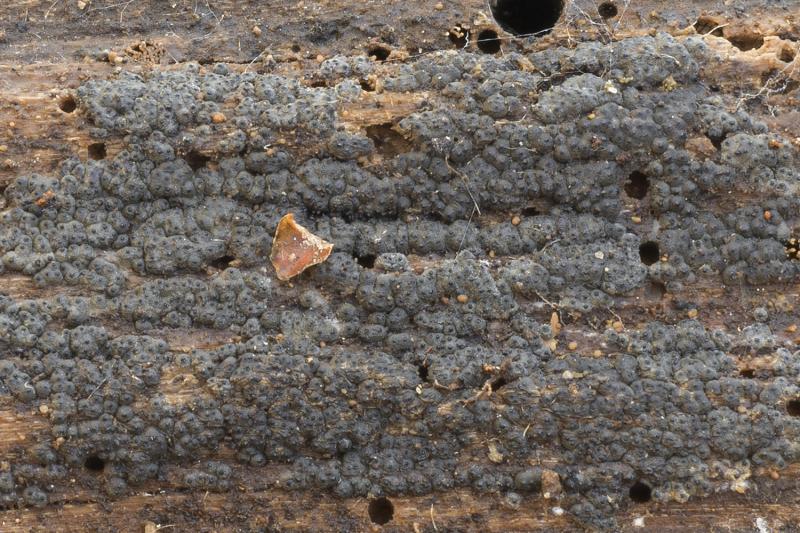
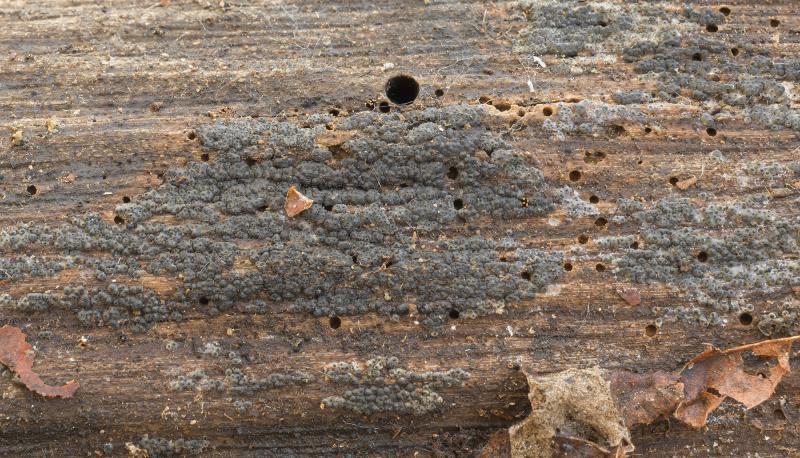
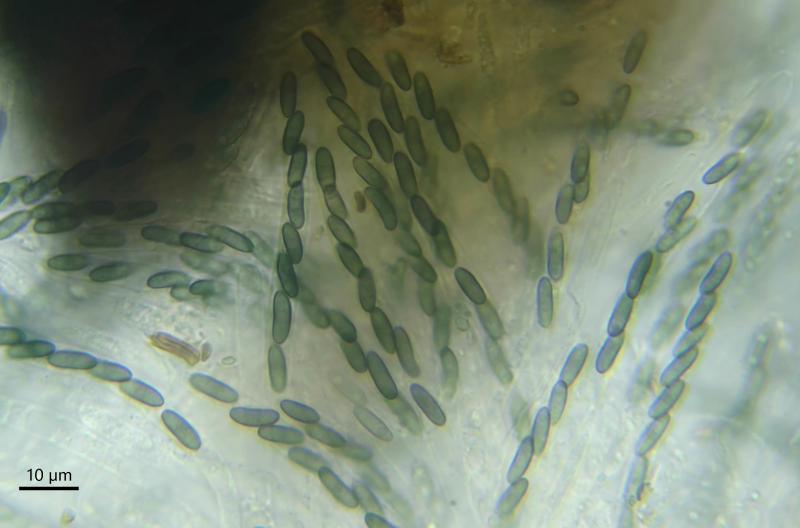
a few days ago I collected this strange but beautiful fungi on a decaying, slightly moist fallen branch of Carpinus betulus in a mixed forest. No clue, what it could be ... possibly some Xylariaceae?
Locality: Slovakia, Súlov-Hradná, NNR Súlovské skaly
Habitat: mixed forest (nature reserve) - Carpinus betulus, Quercus sp., Tilia sp., Pinus sylvestris, Picea abies, Taxus baccata
Substrate: a fallen, slightly moist branch of Carpinus betulus (approx. 3–4 cm thick)
Perithecia: 250–400 µm
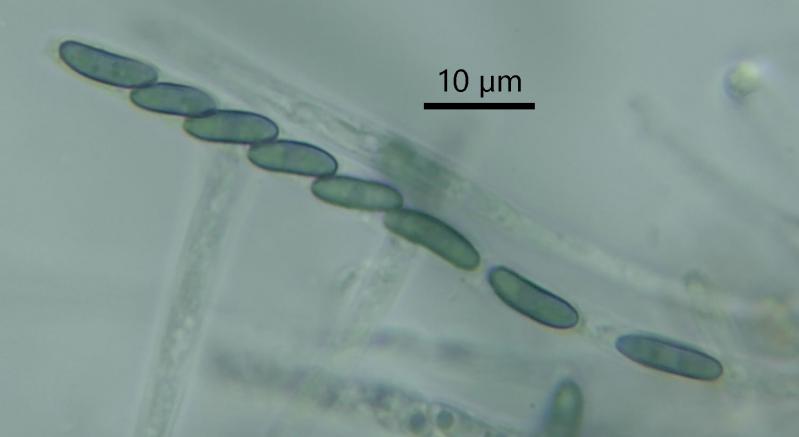
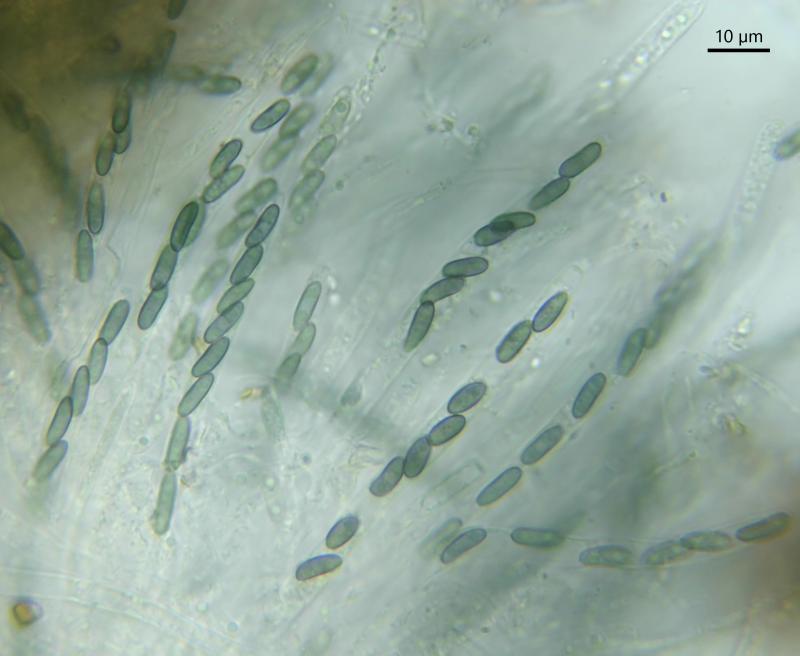
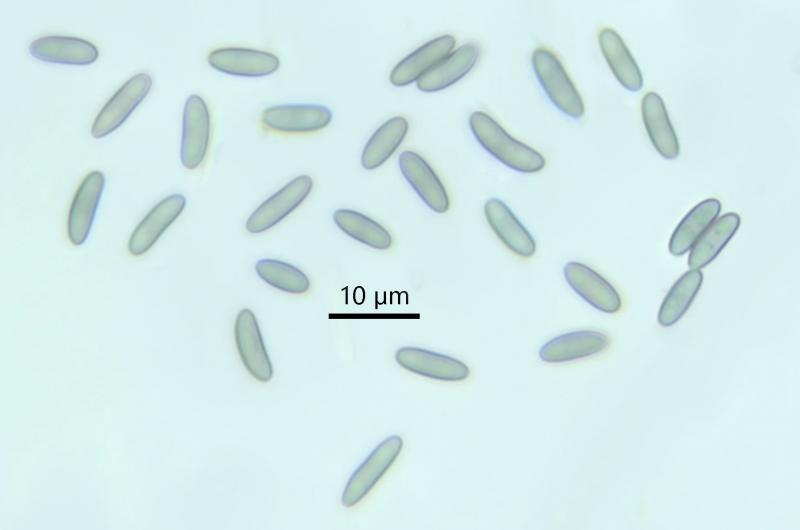
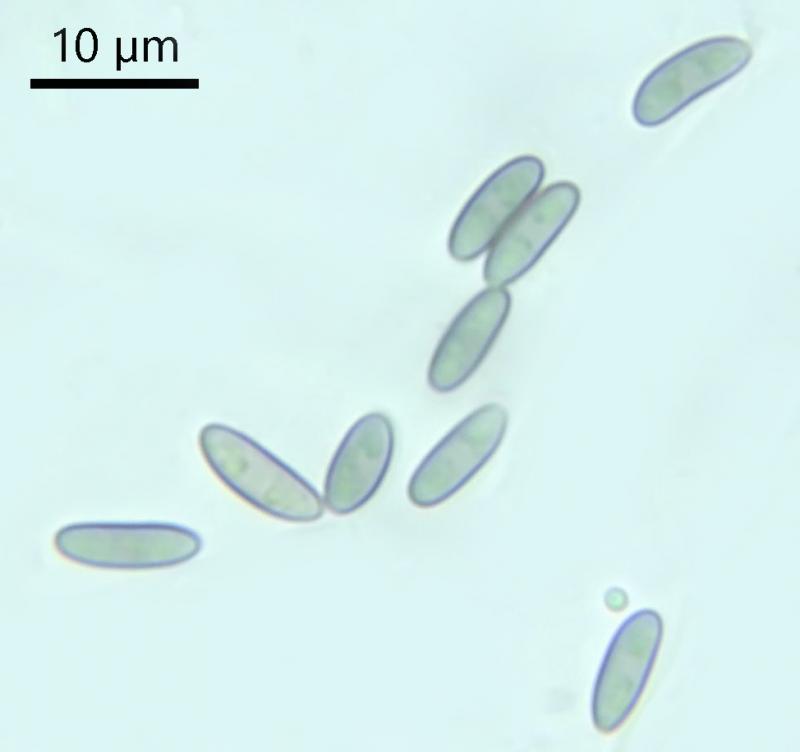
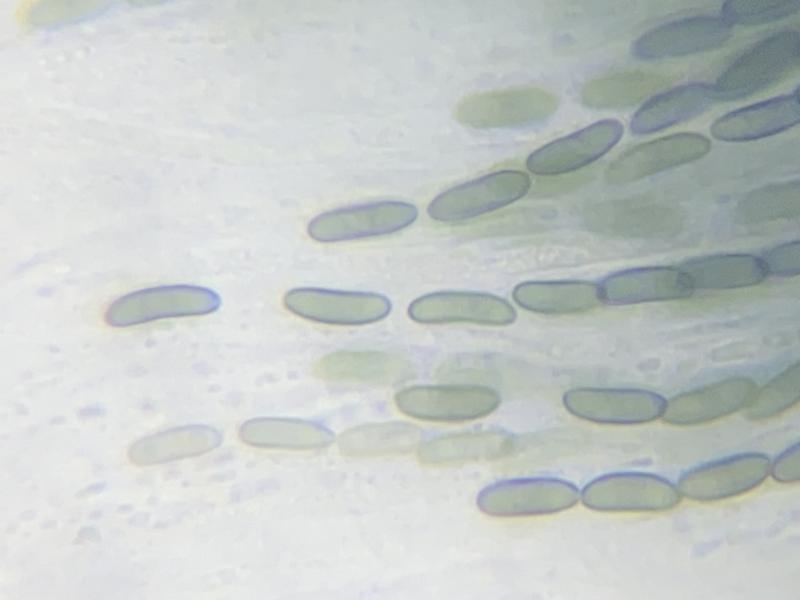
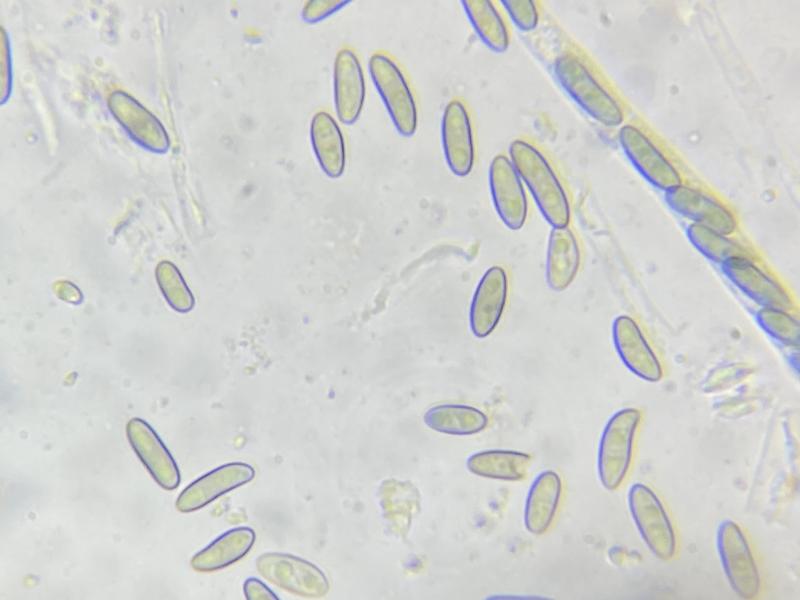
Spores: 7.5–9.7 × 2.6–2.9 µm, turning greenish-blue in 3% KOH
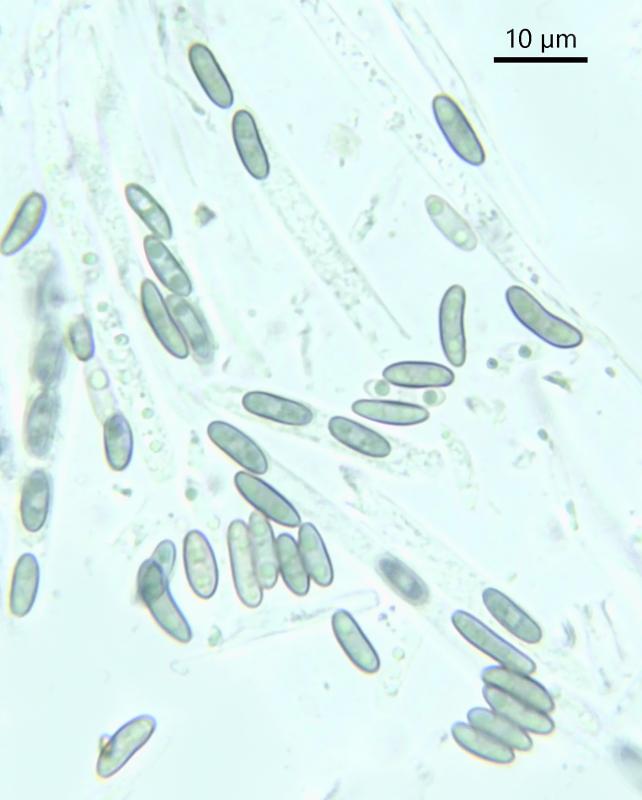
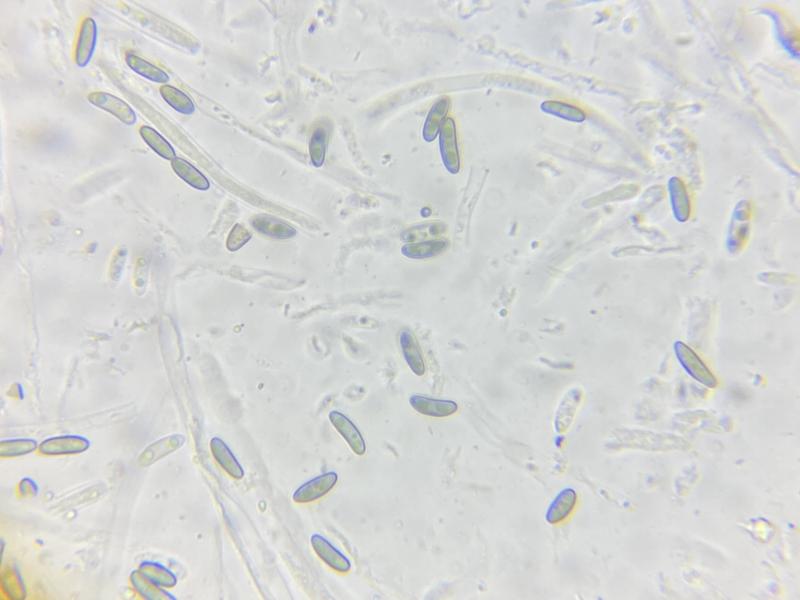
Asci: 8-spored, IKI– in both Melzer's and Lugol's reagents, in Baral's reagent finely blueish
Thanks for any suggestions!
Filip
Jacques Fournier,
19-03-2026 20:52

Re : Xylariaceae? on Carpinus betulus wood
Hi Filip,
you should first make sure that what you call perithecia are not ostioles in relation with immersed perithecia. Take a razor blade and make a nice vertical section along the grain of the wood.
Cheers
Jacques
you should first make sure that what you call perithecia are not ostioles in relation with immersed perithecia. Take a razor blade and make a nice vertical section along the grain of the wood.
Cheers
Jacques
Alain GARDIENNET,
19-03-2026 21:01

Re : Xylariaceae? on Carpinus betulus wood
And after that, could you check (it's not always easy) whether your spores have an apical pore? I get the feeling I've come across an undescribed species that turns up from time to time in my part of the country.
Have a good evening, both of you.
Alain
Have a good evening, both of you.
Alain
Filip Fuljer,
19-03-2026 21:06
Re : Xylariaceae? on Carpinus betulus wood
Good evening both,
thank you very much for your replies.
Let me also apologise for the poorly done work I did.
I will do my best tomorrow and will keep you posted.
Filip
thank you very much for your replies.
Let me also apologise for the poorly done work I did.
I will do my best tomorrow and will keep you posted.
Filip
Filip Fuljer,
20-03-2026 11:16
Re : Xylariaceae? on Carpinus betulus wood
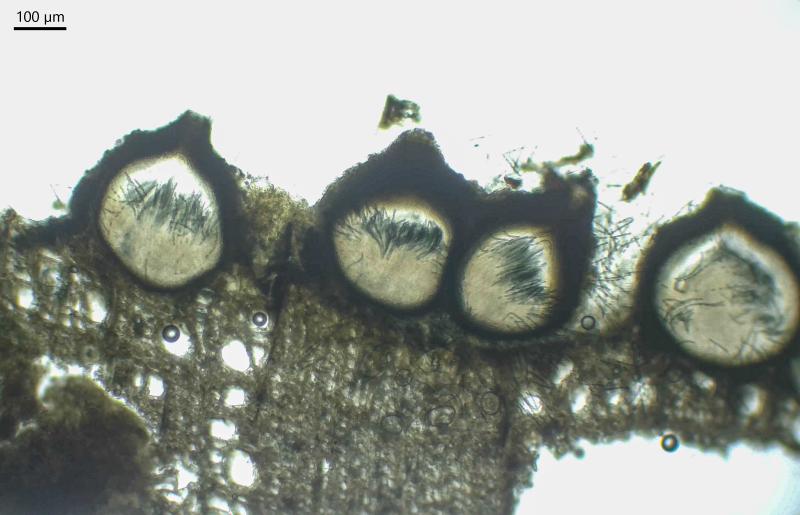
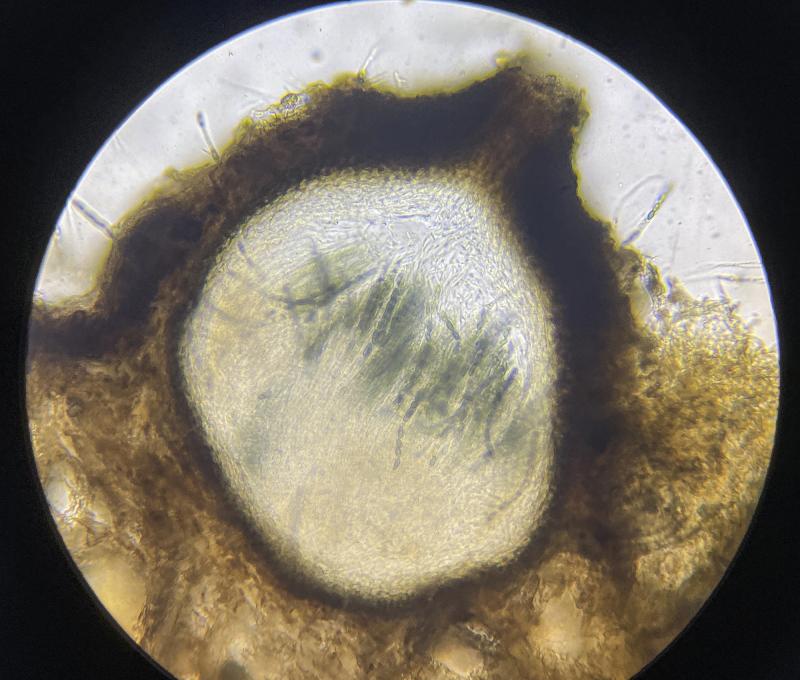
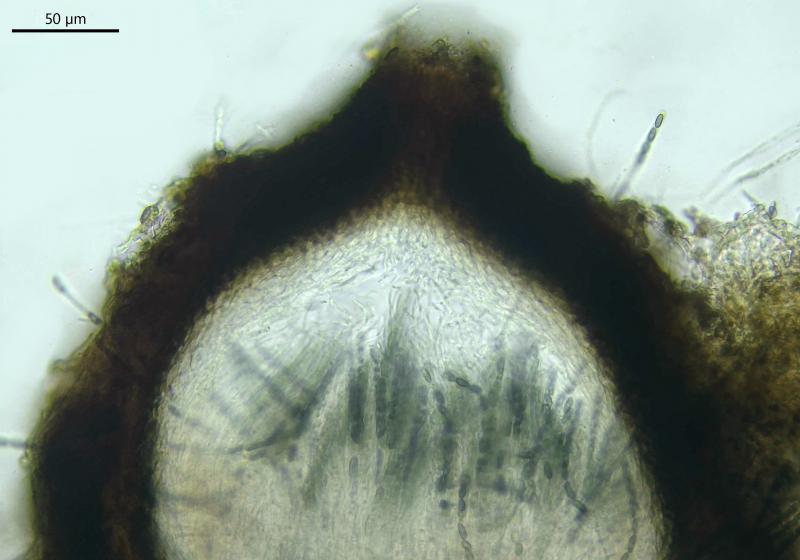
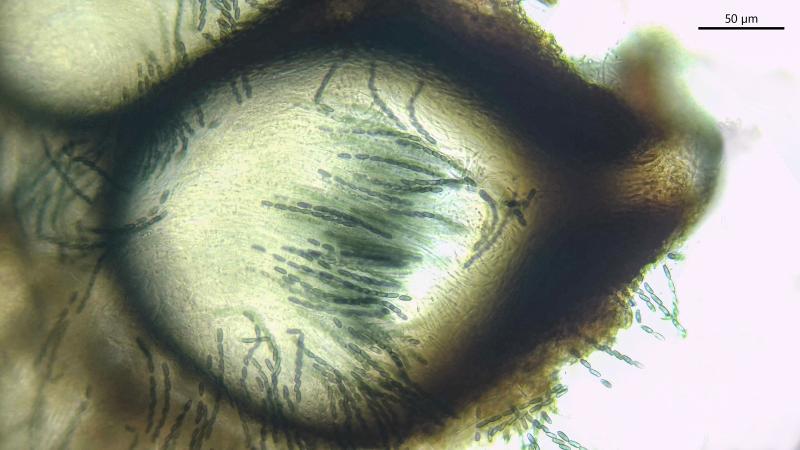
here are some images from today´s microscopy.
Filip Fuljer,
20-03-2026 11:17
Re : Xylariaceae? on Carpinus betulus wood
attaching alsoo some spores, I am still unsure whether they have apical pores or not... it seems to be something in between to me
Jacques Fournier,
20-03-2026 15:24
Re : Xylariaceae? on Carpinus betulus wood
Hi Filip,
good job, at least now we know what it is not, but we can guess it is an interesting find.
To me, these half immersed perithecia do not ring a bell, but the fungus is worth more investigation.
I suggest you make a slide of hymenium in Congo red, heated or not, to check the presence of an ascal apical structure.
I share with Alain his feeling about the possible presence of an apical pore on ascospores. This could be checkd on a very thin slide mounted in heated chloral-lactophenol. Thin means as little hymenial material as possible.
Good luck!
Jacques
good job, at least now we know what it is not, but we can guess it is an interesting find.
To me, these half immersed perithecia do not ring a bell, but the fungus is worth more investigation.
I suggest you make a slide of hymenium in Congo red, heated or not, to check the presence of an ascal apical structure.
I share with Alain his feeling about the possible presence of an apical pore on ascospores. This could be checkd on a very thin slide mounted in heated chloral-lactophenol. Thin means as little hymenial material as possible.
Good luck!
Jacques