
31-03-2026 21:18
 Miguel Ángel Ribes
Good evening. oes anyone have the original descrip
31-03-2026 20:57
Stefan BlaserHello everybody, I hope somebody can help me with
26-03-2026 15:31
 Åke Widgren
Hello,I found this one in October last year, on r
31-03-2026 16:20
 Mlcoch Patrik
Hello, Please about help with determination. On
31-03-2026 08:19
 Bernard CLESSE
Bonjour à toutes et tous,Pourriez-vous m'aider à
30-03-2026 12:03
 William Slosse
Hello all,On 27/03/26, in Kraaiveld in Wingene (Be
25-03-2026 10:35
Hulda Caroline HolteHello,I collected this species growing on a dead b
Cosmospora aff. magnusiana
Hans-Otto Baral,
14-12-2011 21:55
 Hi all
Long ago we had this Cosmospora on Diatrype bullata here:
http://www.ascofrance.fr/search_forum/5952??
Now, Ingo Wagner found this species again (he had it also 3 years ago), and would lke to know if there are any news about it. He sent me his images.
Zotto
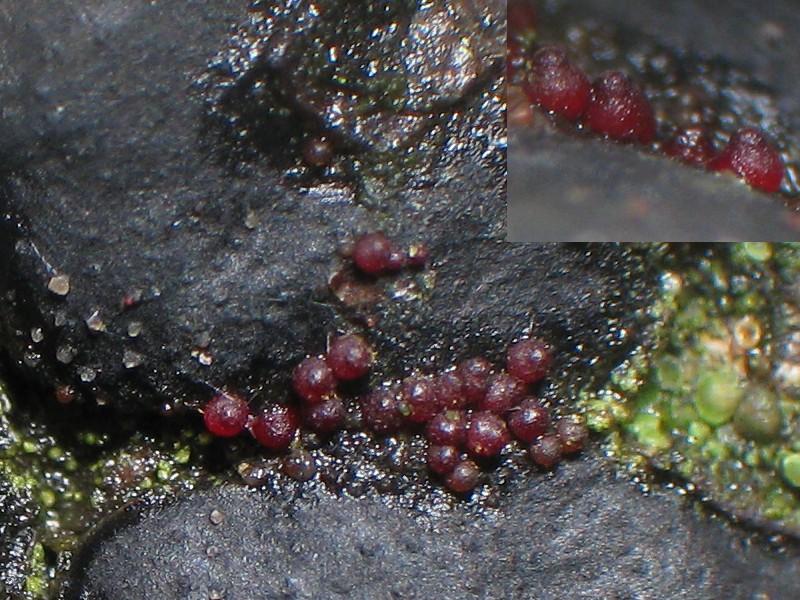
Hans-Otto Baral,
14-12-2011 21:56
Re : Cosmospora aff. magnusiana
and micro
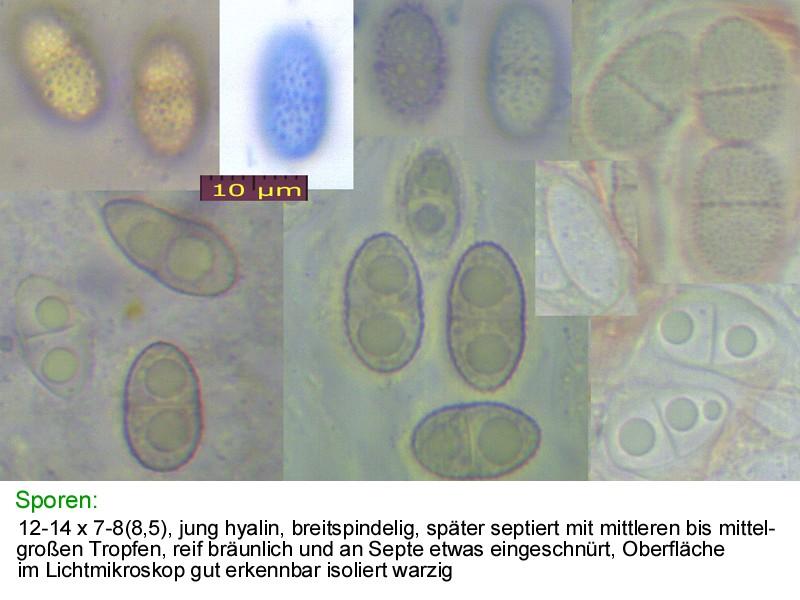
Jean-Paul Priou,
14-12-2011 22:24

Re : Cosmospora aff. magnusiana
sans doute une creation de Chris Lechat, Cosmospora diatrypicola in Fungal planet
Without doubt, a Christian species
Waiting for the father answer !
JPP
Without doubt, a Christian species
Waiting for the father answer !
JPP
Alain GARDIENNET,
15-12-2011 07:10

Re : Cosmospora aff. magnusiana
Yes, it looks like the one I found, and I remember Guy and you have already found it too. http://www.ascofrance.fr/search_forum/8050
It's a very common species.
For it, like for an incredible number of bad-known or new species, we should wait studies.
Alain
It's a very common species.
For it, like for an incredible number of bad-known or new species, we should wait studies.
Alain
Christian Lechat,
15-12-2011 07:13

Re : Cosmospora aff. magnusiana
Dear all,
Cosmospora diatrypicola is not yet published, it is only a working name.
It is a member of the very large group of species occuring on "Pyrenomycetes" at present under investigation.
Christian
Cosmospora diatrypicola is not yet published, it is only a working name.
It is a member of the very large group of species occuring on "Pyrenomycetes" at present under investigation.
Christian
Hans-Otto Baral,
15-12-2011 12:27
Re : Cosmospora aff. magnusiana
Thanks all.
I saw that I placed the folder with this species in Dialonectria. Was that an error?
Zotto
I saw that I placed the folder with this species in Dialonectria. Was that an error?
Zotto
Christian Lechat,
15-12-2011 15:37
Re : Cosmospora aff. magnusiana
Hi Zotto,
Correct name should be Stylonectria because of the broad, flat apical disc, in Dialonectria, the ascomata have a papilla.
Regards,
Christian
Correct name should be Stylonectria because of the broad, flat apical disc, in Dialonectria, the ascomata have a papilla.
Regards,
Christian
Hans-Otto Baral,
15-12-2011 17:12
Re : Cosmospora aff. magnusiana
Uff, is that necessary to distinguish so many genera? Even if the phylogeny tells for different groups we need not a genus for every clade :-(
Zotto
Zotto
Christian Lechat,
15-12-2011 17:54
Re : Cosmospora aff. magnusiana
Species of Cosmospora s. l. are too numerous in the world, it is necessary to divide the genus, even if they seem identical, they are different in having morphological characteristics well visible, when many specimens are examined, it is evident that there are several genera.
Christian
Christian
Hans-Otto Baral,
15-12-2011 18:18
Re : Cosmospora aff. magnusiana
We have this problem in Orbilia, there are probably 500 species or more. But without sequences you cannot say in quite a lot of cases in ??which group within Orbilia a species belongs. I repeatedly think about splitting Orbilia in several genera, but the problem is always where to stop. Segregation of Hyalorbilia was a necessity, although a few species are not really easy to assign. Segregation of Amphosoma with a few species was a next step, but after that it became quite difficult, and there are still 350 species remaining in Orbilia.
It is actually a matter of taste. In the Luteorubella-group there are two extremely different anamorphs (Anguillospora and Pseudotripoconidium), although the two groups are so closely related that the teleomorphs cannot be distinguished. If you separate here two genera, then Orbilia would break into 20 or more genera.
Zotto
It is actually a matter of taste. In the Luteorubella-group there are two extremely different anamorphs (Anguillospora and Pseudotripoconidium), although the two groups are so closely related that the teleomorphs cannot be distinguished. If you separate here two genera, then Orbilia would break into 20 or more genera.
Zotto