
23-05-2026 18:57
Sylvie Le GoffBonjour à tousRécolté sur une branchette de Sal
22-05-2026 14:44
 Lothar Krieglsteiner
in unripe condition citrine yellow, then soon fadi
23-05-2026 11:44
 Charles Grapinet
Hello, I am having trouble identifying this copro
22-05-2026 21:35
Steve ClementsBonjour, I expected this find on old wood on our
22-05-2026 18:12
Lothar Krieglsteiner
... in moist chamber from Portugal.As the fungus s
22-05-2026 20:08
Ethan CrensonHello all, Yesterday in NYC I was visiting an e
11-01-2022 16:36
 Jason Karakehian
Hi does anyone have a digital copy of Raitviir A (
20-05-2026 17:47
Margot en Geert VullingsWe found this Mollisia on dead Juncus stems mown l
22-05-2026 14:47
Gernot FriebesHi,superficial ascomata collected on bark of a liv
22-05-2026 13:29
Gernot FriebesHi,I am curious to hear your opinion on this mater

Hi to all:
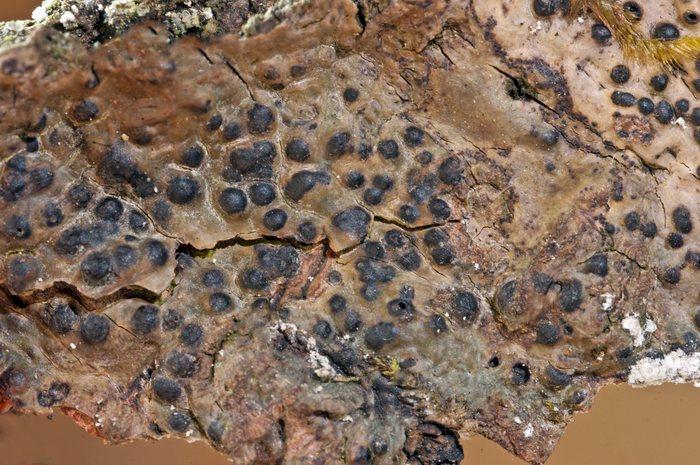
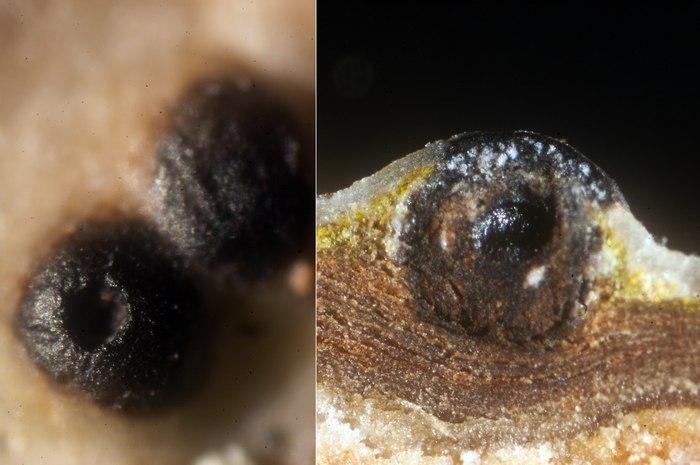
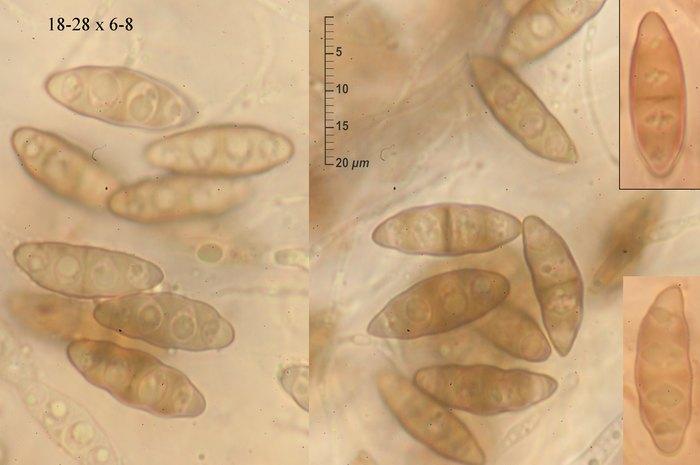
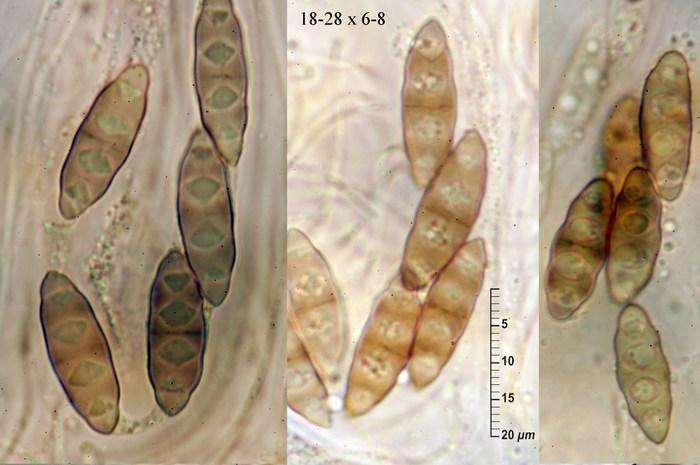
These blackish, small (up to 700 microns), gregarious, solitary, globose and semiinmersed pseudothecia were at 2-3 m high on bark of a leaving Fagus sylvatica. They seem to be ostiolate but I'm not sure.
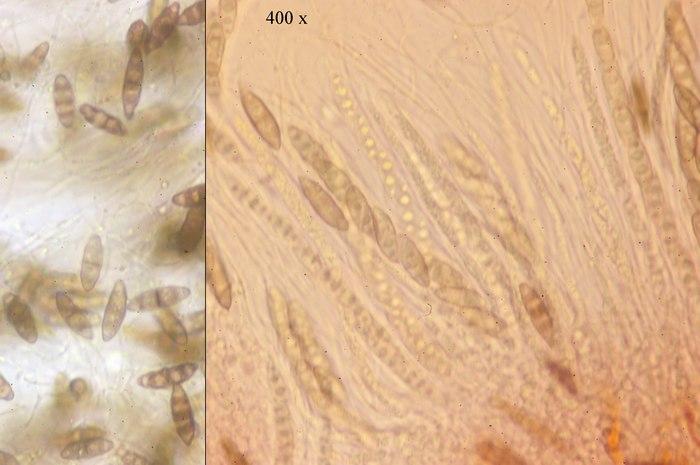
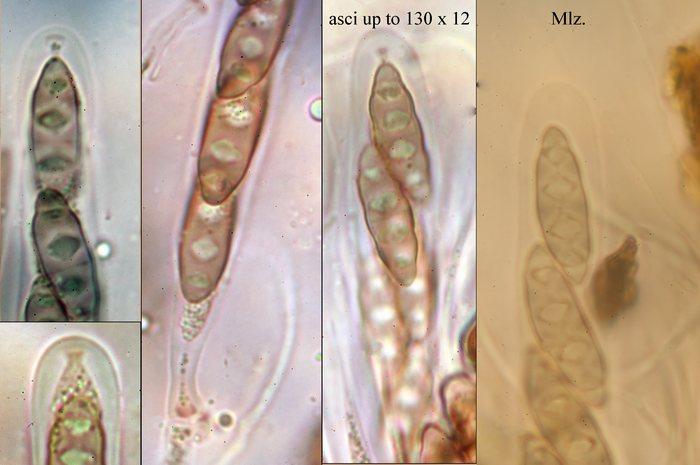
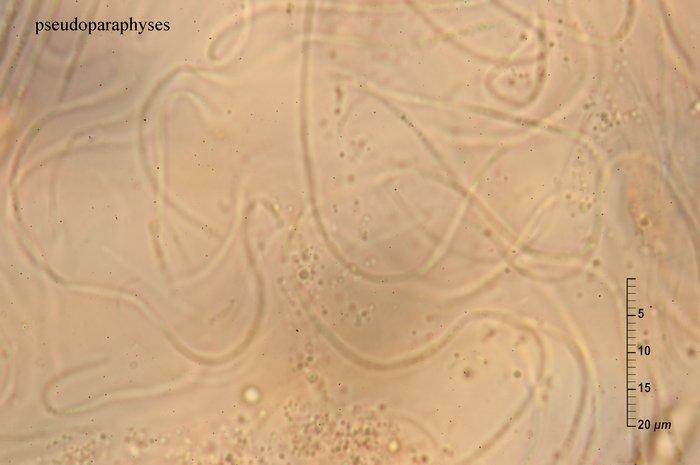
The spores are finally brownish or gloden brown and inconspicually 1-septate. Asci not unitunicate. Pseudoparaphyses are present.
Have you some idea ?
Many thanks again
Enrique

cheers
Thomas
Enrique

Navicella is placed in Pyrenulales. Now, what about the difference to Pyrenula? A thallus only?
But now I see the spores of Enrique's fungus are much smaller than in Navicella. What is nice to see on your images is the difference of living and dead cells: roundish and with a globose drop when alive, angular and with indistnct contents when dead.
Zotto
Enrique
Pyrenula is said to have Trentepohlia algae (with orange LBs in the cells) in their thallus. Can you find any thallus?
Zotto