
02-06-2026 14:33
 Nicolas VAN VOOREN
Hello.I'm searching for a PDF copy of the followin
02-06-2026 17:58
Louis DENYBonjour forum, Sur feuille de Populus tremula, en

28-07-2011 18:31
 Alex Akulov
Dear FriendsToday I made the pdf file of Velenovsk
11-09-2025 16:57
 Jason Karakehian
Our revision of Marthamycetales (Leotiomycetes) is
12-11-2019 10:32
 Miguel Ángel Ribes
Hi againExactly at the same place than my previous
25-12-2019 17:54
Valencia Lopez Francisco JavierHola a todos/asEstas supuestas pezizas estaban en
12-07-2015 00:05
 Nedim Jukic
This one from the same locality as the previous on

30-05-2026 21:12
Philippe PELLICIERSur branche de mélèze (Larix) près de la neige,
Unknown species on fraxinus excelsior
Ralph Vandiest,
21-02-2014 20:59
 Hello,
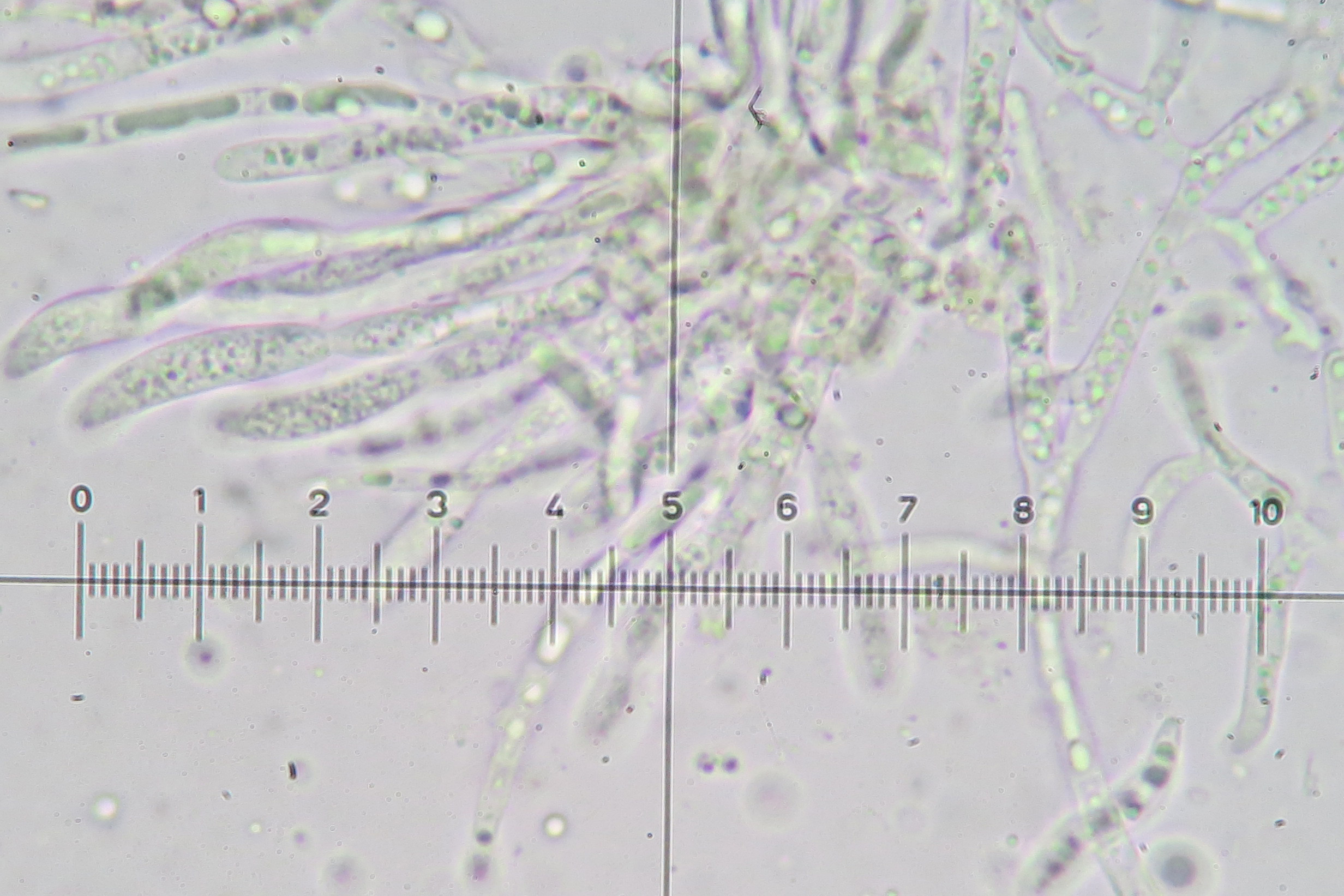
I found this species on what I think is fraxinus excelsior (not acer as I mentioned earier). Fruiting body 0,3mm, bark of acer was colouring orange. Heavily curved spores 25/33x6µm.
Regards,
Ralph
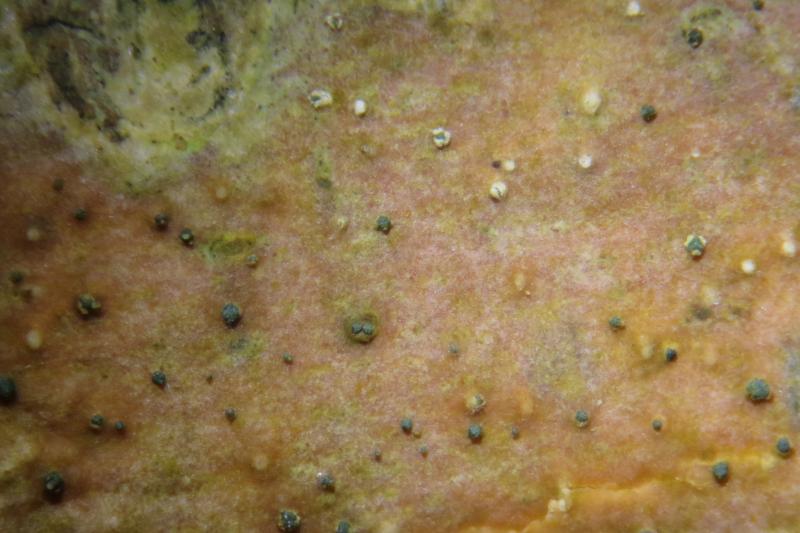
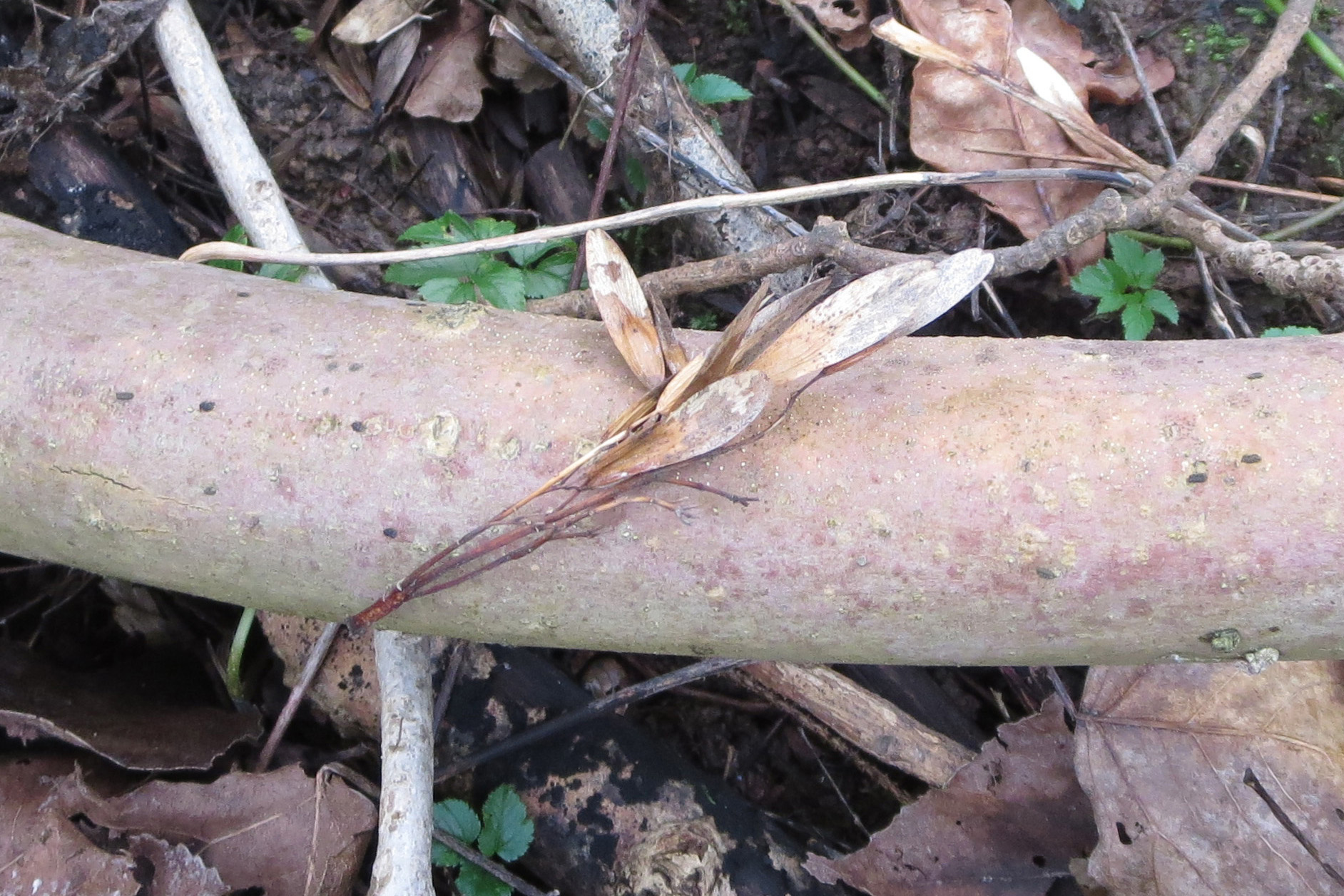 IMG-3255-0001.JPG
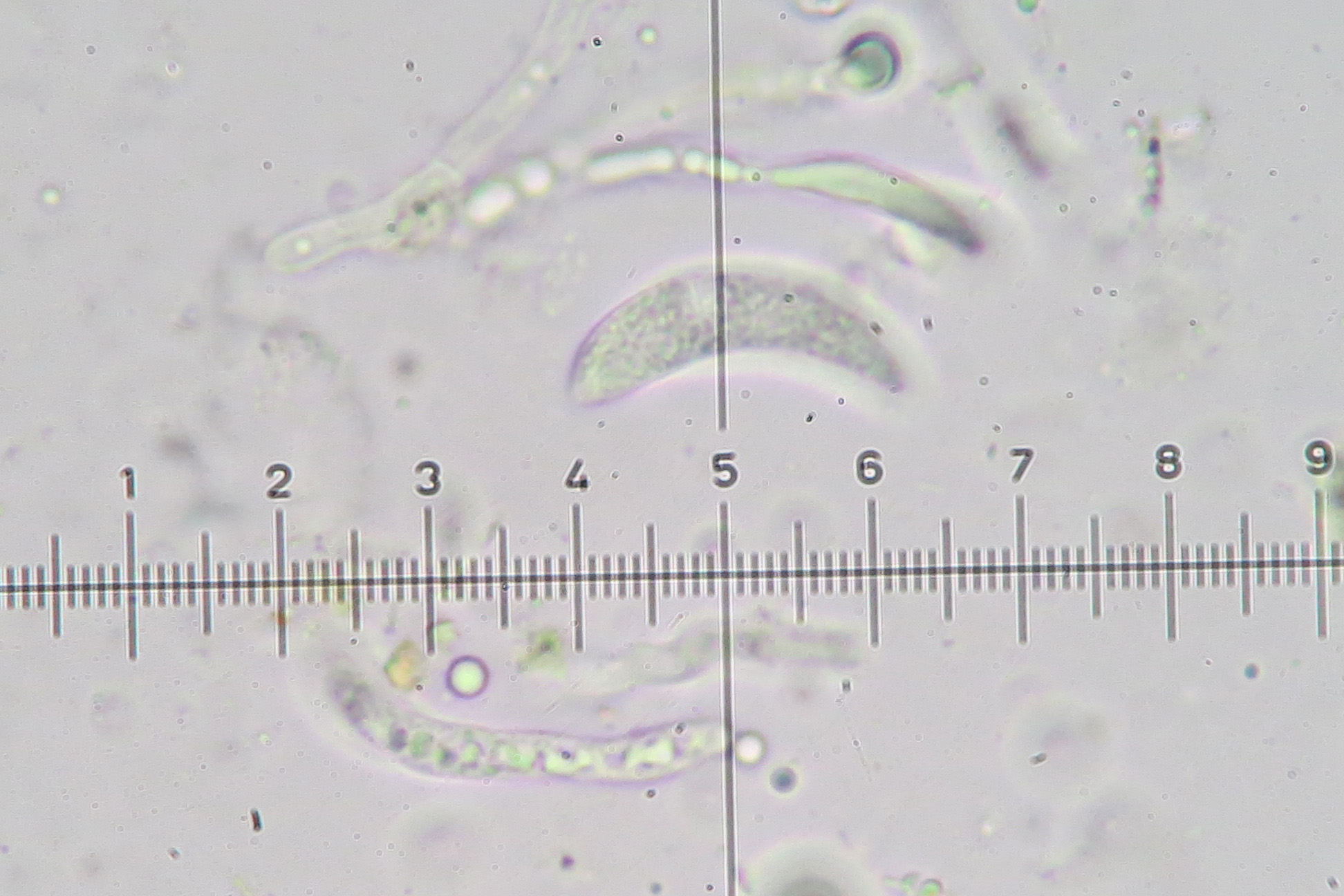 IMG-3325-0001.JPG
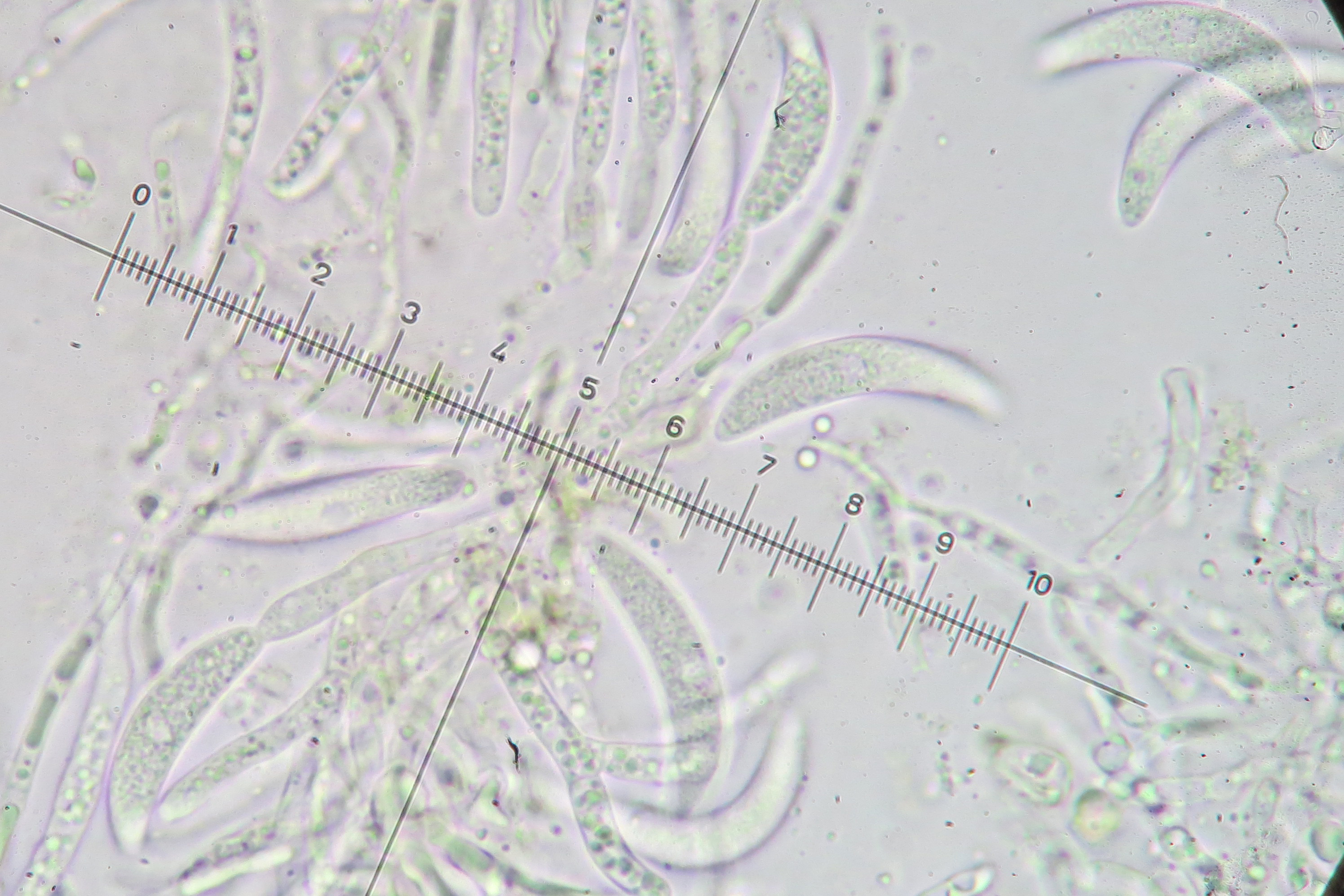 IMG-3328-0001.JPG
 IMG-3329-0001.JPG
Hans-Otto Baral,
21-02-2014 23:22

Re : Unknown species on acer
I don't really think that it is a Dermea (there exists D. acerina in N-America), but to exclude that genus I would test the peridium of the pycnidia with KOH. In Dermea a purplish-red sap extrudes into the medium (ionomidotic).
Zotto
Zotto
Ralph Vandiest,
21-02-2014 23:47
Re : Unknown species on fraxinus excelsior?
Hello Zotto,
have to check. Sended you an e-mail concerning the substrate. Think I was wrong (confussion with dutch names...). Spores look like gloeosporidiella turgida in E&E but can't find any pics of this species on the net.
regards
have to check. Sended you an e-mail concerning the substrate. Think I was wrong (confussion with dutch names...). Spores look like gloeosporidiella turgida in E&E but can't find any pics of this species on the net.
regards
Hans-Otto Baral,
23-02-2014 09:10
Re : Unknown species on fraxinus excelsior
Hi Ralph
Email is not working to your address (I sent one day before).
The photo of fruits you sent me should clearly be Fraxinus.
Zotto
Email is not working to your address (I sent one day before).
The photo of fruits you sent me should clearly be Fraxinus.
Zotto
Ralph Vandiest,
23-02-2014 10:26
Re : Unknown species on fraxinus excelsior
Hello Zotto,
If host is fraxinus e, what could it be? I have no KOH (only Lugol, Melzer, coton blue & congo red).
Regards,
Ralph
If host is fraxinus e, what could it be? I have no KOH (only Lugol, Melzer, coton blue & congo red).
Regards,
Ralph
Martin Bemmann,
23-02-2014 11:33

Re : Unknown species on fraxinus excelsior
Hi Ralph,
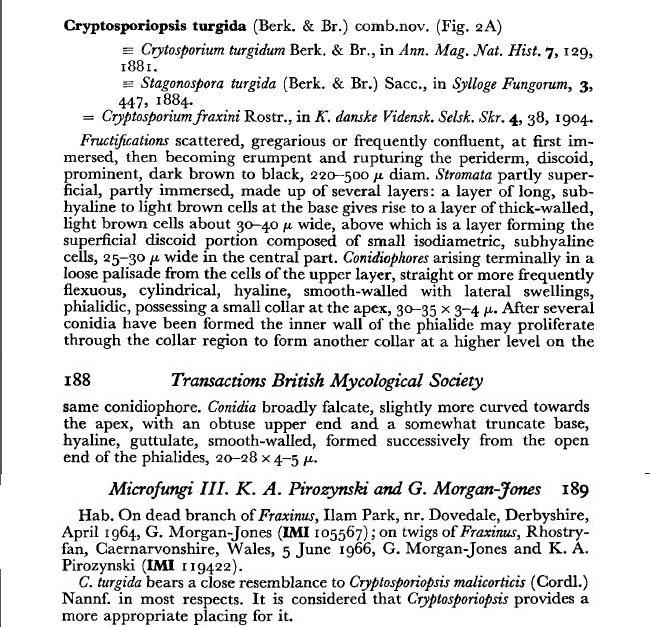
here is the description by Pirozynski&Morgan-Jones 1968.
I would be pretty sure that it is this species.
Regards
Martin
here is the description by Pirozynski&Morgan-Jones 1968.
I would be pretty sure that it is this species.
Regards
Martin

Hans-Otto Baral,
23-02-2014 18:08
Re : Unknown species on fraxinus excelsior
Great, Martin! That means it is an anamorph without known teleomorph. I saw that it may occur also on Syringa (also an Oleaceae):
http://www.cbs.knaw.nl/images/ResearchGroups/Publications/2006Constantinescu0001.pdf
Zotto
http://www.cbs.knaw.nl/images/ResearchGroups/Publications/2006Constantinescu0001.pdf
Zotto
Ralph Vandiest,
23-02-2014 18:08
Re : Unknown species on fraxinus excelsior
Hello Martin,
Thanks for your mail. This species fits indeed perfact with my findings. Is this species rare?
regards,
Ralph
Thanks for your mail. This species fits indeed perfact with my findings. Is this species rare?
regards,
Ralph
Martin Bemmann,
23-02-2014 19:48
Re : Unknown species on fraxinus excelsior
Hi Zotto,
the occurence of G. turgida on Syringa is interesting, but Fraxinus seems to be the most common host.
@Ralph: common or not common is a question that concerns the amount of people that care for that kind of fungi. Today I uploaded a documentation to the forum of Neoseptophoma samararum (Phoma samararum) to the database of this forum, a species reported to be very frequent on Fraxinus seeds, but still not recorded yet in our database.
How did you measure the conidia? Just tip to tip or along the curvature. Your measurements are quite at the max or exeeding.
regards
Martin
the occurence of G. turgida on Syringa is interesting, but Fraxinus seems to be the most common host.
@Ralph: common or not common is a question that concerns the amount of people that care for that kind of fungi. Today I uploaded a documentation to the forum of Neoseptophoma samararum (Phoma samararum) to the database of this forum, a species reported to be very frequent on Fraxinus seeds, but still not recorded yet in our database.
How did you measure the conidia? Just tip to tip or along the curvature. Your measurements are quite at the max or exeeding.
regards
Martin
Ralph Vandiest,
23-02-2014 20:34
Re : Unknown species on fraxinus excelsior
Hello Martin,
Spores were measured from tip top tip in a straight line.
PS I will look for the species you mention on the seeds. I only know phomopsis ptherophila on fraxinus seeds.
regards
Ralph
Spores were measured from tip top tip in a straight line.
PS I will look for the species you mention on the seeds. I only know phomopsis ptherophila on fraxinus seeds.
regards
Ralph