
06-05-2026 11:25
 Castillo Joseba
Me mandan el material seco de Galicia (España) re
28-04-2026 20:07
 Lothar Krieglsteiner
... on twig in the air at standing Ceratonia siliq
05-05-2026 22:40
Gernot FriebesHi,I believe this is a Plagiostoma growing on a Sa
04-05-2026 18:13
 Stephen Martin Mifsud
ID request for what seems to be a true aquatic fun
04-05-2026 16:39
Stephen Martin Mifsud
ID request: This specimen was collected in Malta o
28-07-2011 18:31
 Alex Akulov
Dear FriendsToday I made the pdf file of Velenovsk
04-05-2026 09:50
Castillo Joseba
Me mandan el material seco de Galicia,(España) re
02-05-2026 12:42
Alain BRISSARDBonjour à tousJeuidi 30 avril dernier on m'a remi
02-05-2026 13:06
Pauline. PennaBonjour Please can someone help me with this id
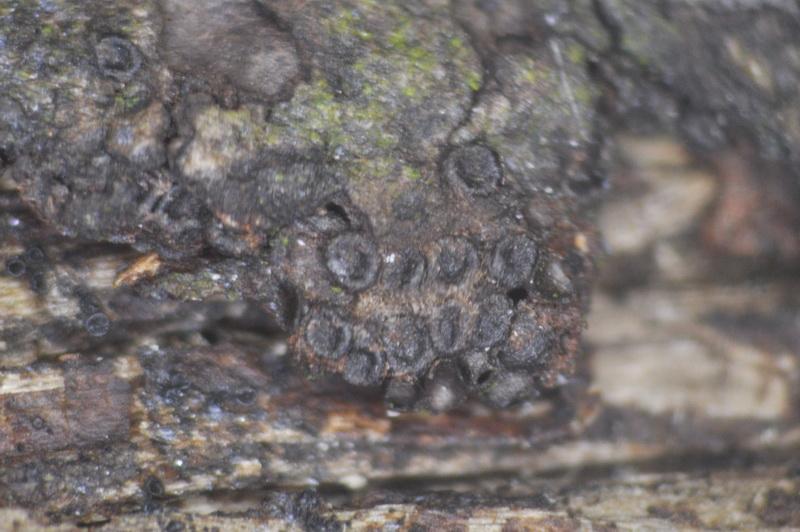
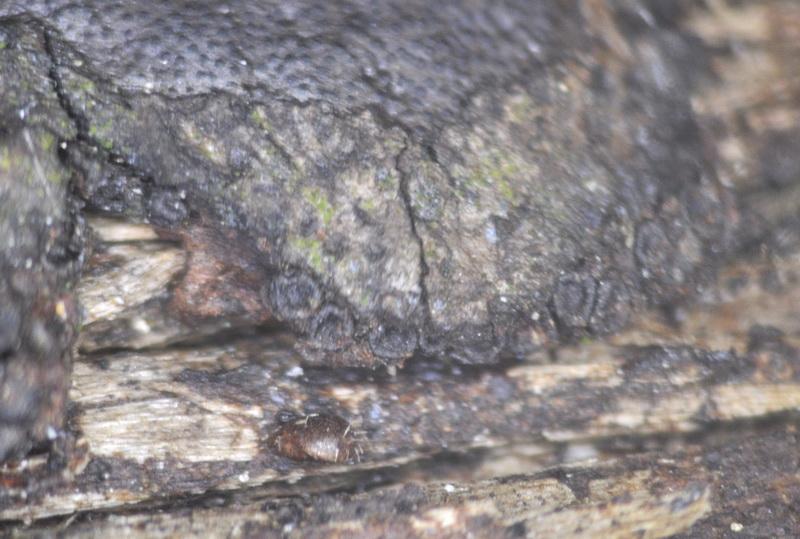
Nitschkia parasitans on Graphostroma?
Gernot Friebes,
24-03-2015 11:31
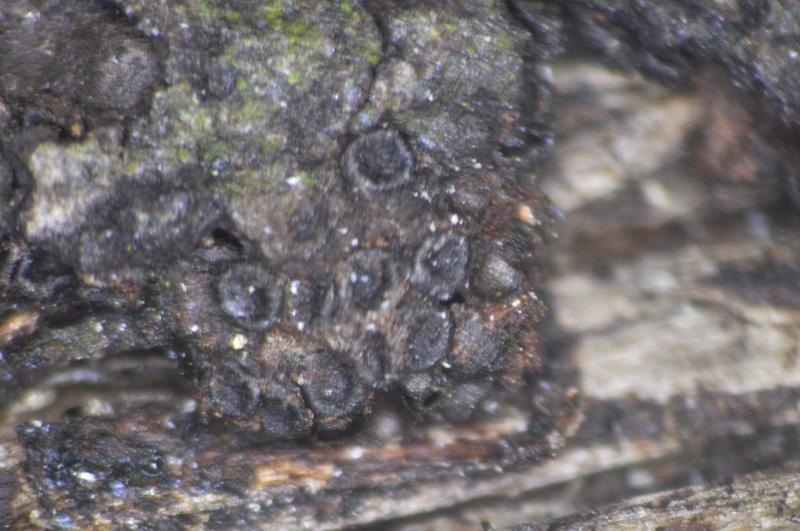
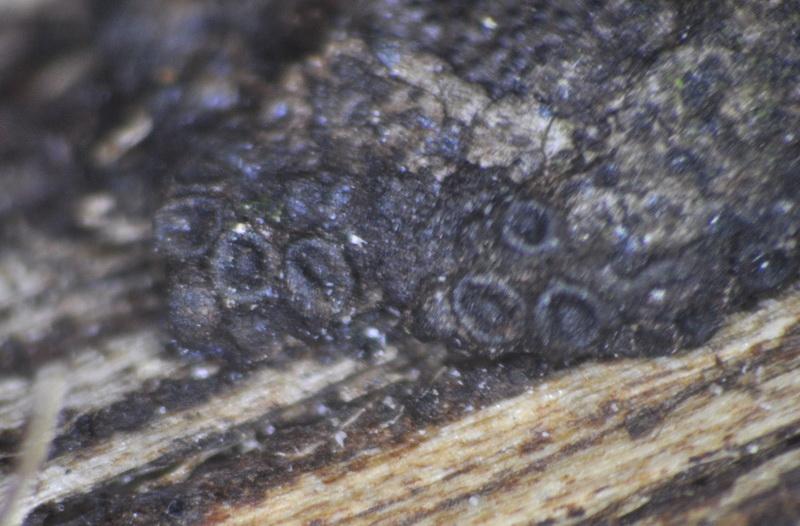
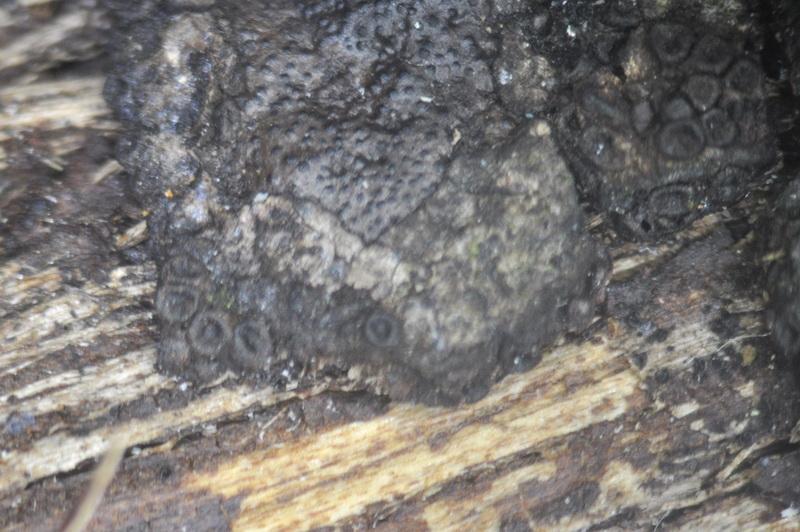
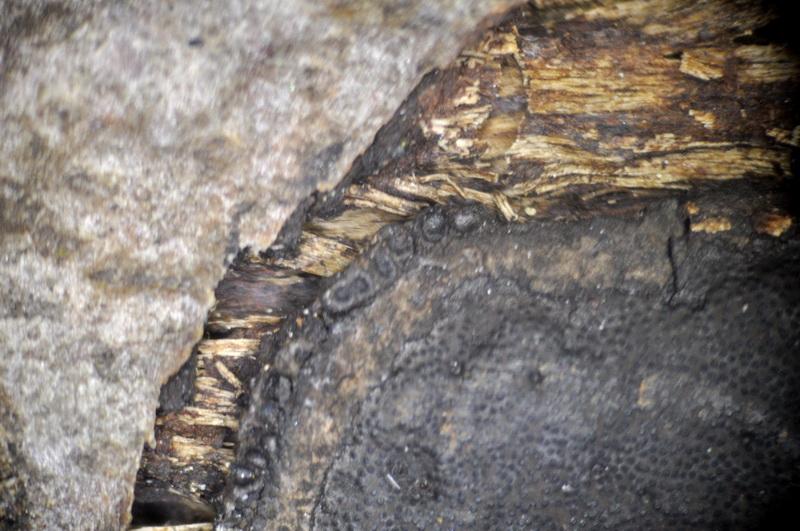
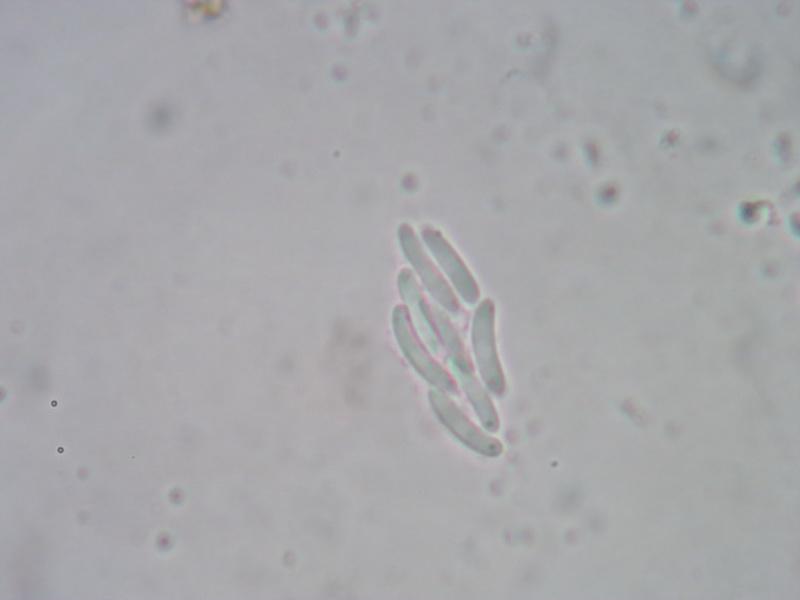
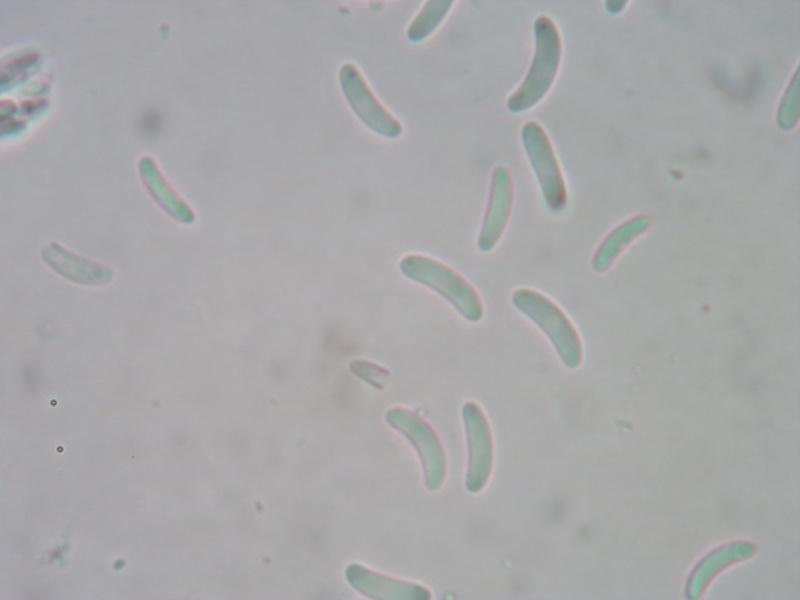
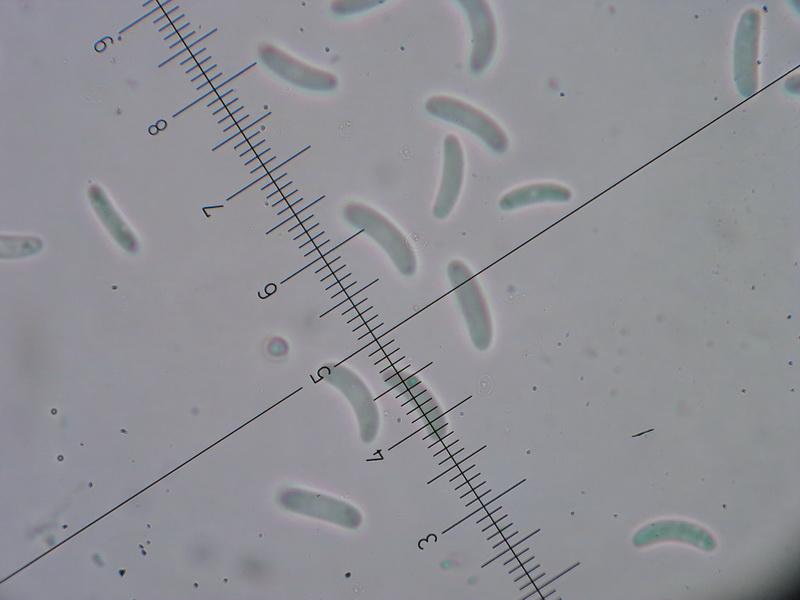
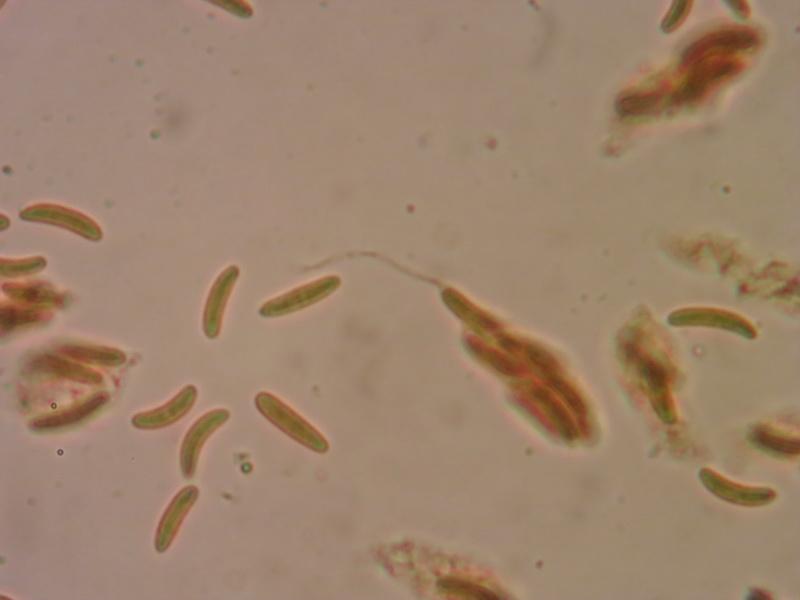
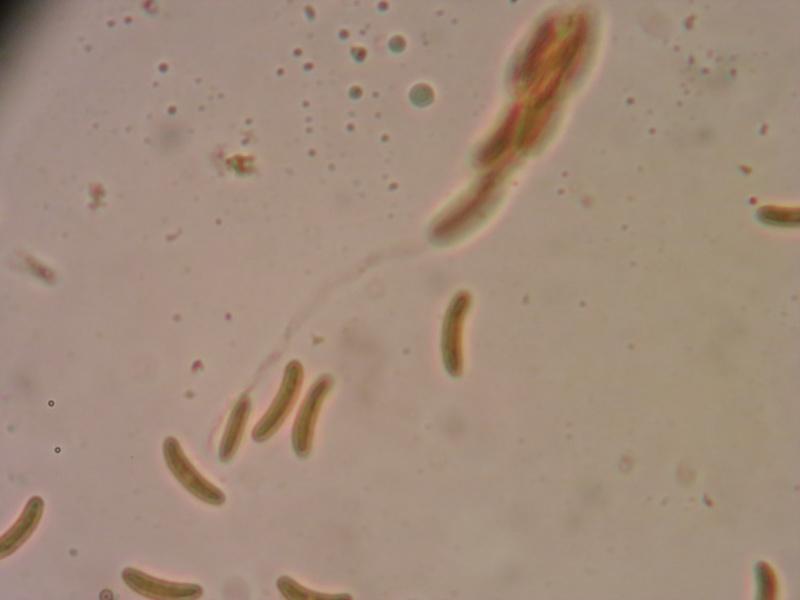
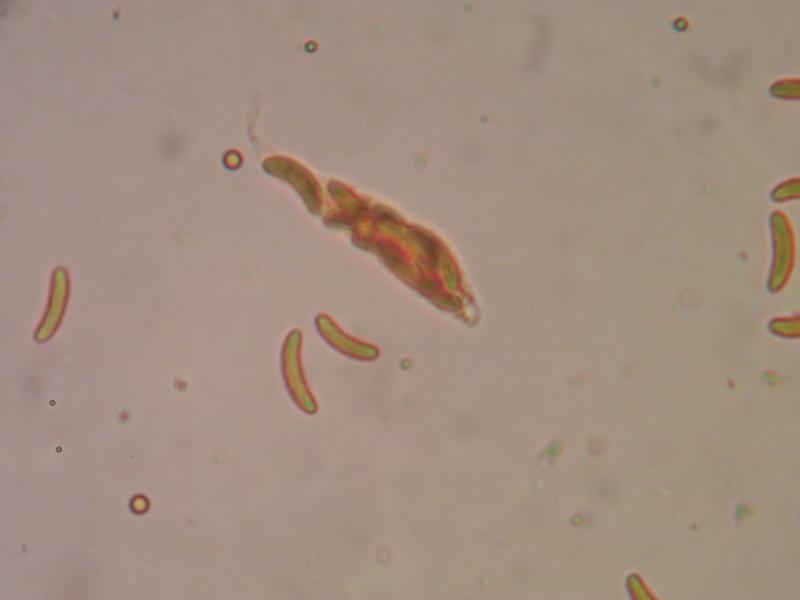
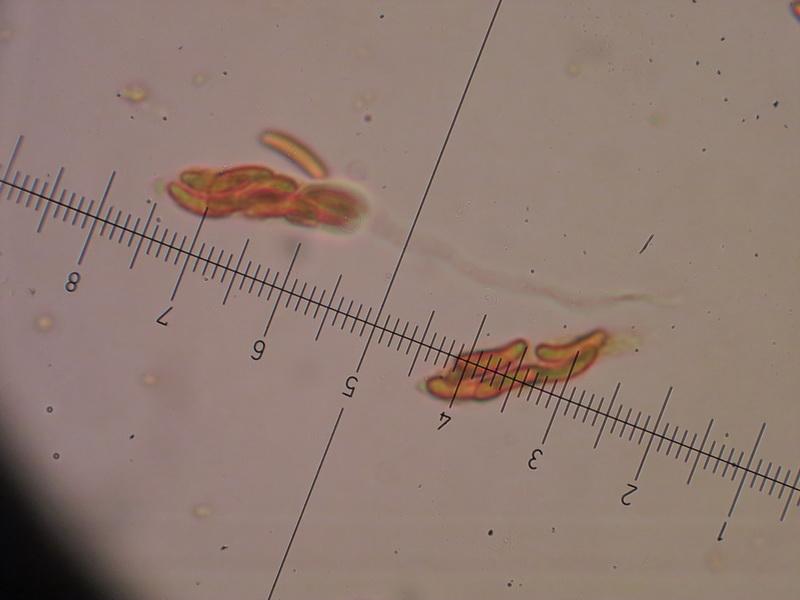
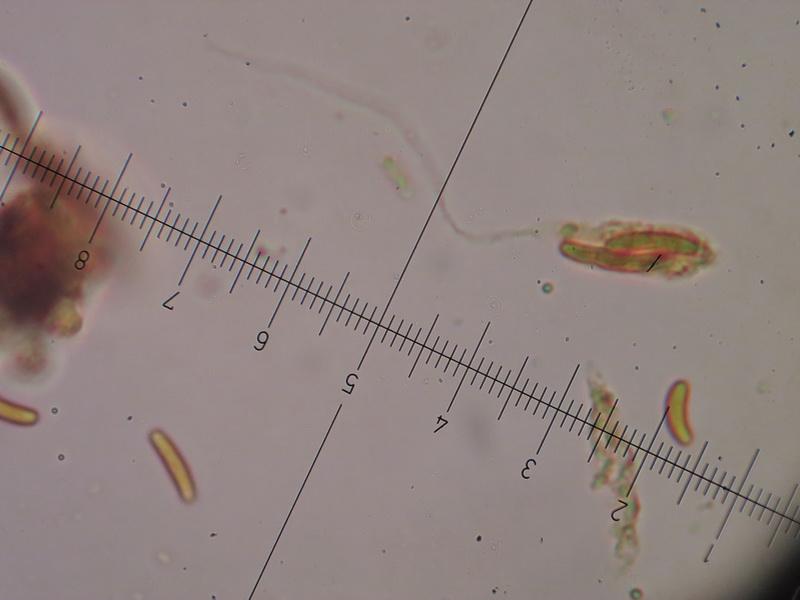
as far as I'm aware Nitschkia parasitans is always described as growing on stromata of Nectria cinnabarina. However, I have received a collection that comes close to N. parasitans microscopically but grows on the margin of stromata of Graphostroma platystoma (on Castanea sativa). At least I don't know any other Nitschkia species with 8-spored asci and allantoid, hyaline ascospores which in the present fungus measure 9–11 x 2–2.5 µm. Maybe there is one that I overlooked? Or does N. parasitans indeed grow on fungi other than N. cinnabarina occasionally?
The long stipe of the dead asci is also quite remarkable. Munk pores are frequent and encircled by the dark, thickened cell wall. The macroscopic appearance is also a bit different from typical N. parasitans I think, because that species usually grows more densely fasciculate.
On a side note: it was very interesting to observe the ascomata upon rehydration because some of them quickly ejected a whitish conical "body" from which again the ascospores where visibly ejected under the stereo microscope. This must have been the "Quellkörper" which I have never seen in action before. Unfortunately I was at a microscope without a chance to take photos...
Best wishes,
Gernot
PS: The attached photos are not mine.
Jacques Fournier,
24-03-2015 14:52

Re : Nitschkia parasitans on Graphostroma?
Hi Gernot,
I don't know your fungus but when run through Huhndorf and Mugambi's key (Mycologia, 102(1), 2010, pp. 185–210) it comes to the genus Coronophorella, with C. chaetomioides as the only species. Hope it helps...
Cheers,
Jacques
I don't know your fungus but when run through Huhndorf and Mugambi's key (Mycologia, 102(1), 2010, pp. 185–210) it comes to the genus Coronophorella, with C. chaetomioides as the only species. Hope it helps...
Cheers,
Jacques
Gernot Friebes,
24-03-2015 21:08
Re : Nitschkia parasitans on Graphostroma?
Hi Jacques,
thanks for the suggestion. Nannfeldt describes the ascospores as shorter and wider than in this collection (6–8 x 2–3 µm; as "Nitschkia chaetomioides") and in the following link the ascospore size is also considerably shorter and wider (as "Scortechinia chaetomioides"): http://www.bcrc.firdi.org.tw/fungi/fungal_detail.jsp?id=FU200802050069. The description here: https://www-s.life.illinois.edu/pyrenos/records/show_by_page?page=114 fits better but unfortunately the images are not available. I think for now this fungus has to stay without a full name...
Best wishes,
Gernot
thanks for the suggestion. Nannfeldt describes the ascospores as shorter and wider than in this collection (6–8 x 2–3 µm; as "Nitschkia chaetomioides") and in the following link the ascospore size is also considerably shorter and wider (as "Scortechinia chaetomioides"): http://www.bcrc.firdi.org.tw/fungi/fungal_detail.jsp?id=FU200802050069. The description here: https://www-s.life.illinois.edu/pyrenos/records/show_by_page?page=114 fits better but unfortunately the images are not available. I think for now this fungus has to stay without a full name...
Best wishes,
Gernot