
19-05-2026 12:55
 Hardware Tony
After checking Gminder and Otto's library I cannot
19-05-2026 10:27
Patrice TANCHAUDBonjour, récolte récente sur terre retournée i
18-05-2026 12:43
Sylvie Le GoffBonjour à tousPuis je avoir votre aide sur ce que
19-05-2026 14:56
Åge OterhalsI found this white cushion-formed ascomycete on ro

18-05-2026 10:13
 Lieve Deceuninck
Dear forum members,I identified this as the teleom

17-05-2026 19:05
Thomas FlammerI have found this tiny 200 ym cup shaped apothecia
17-05-2026 16:41
Margot en Geert VullingsWe found this Lachnum on an old Rubus stem.Fruitbo
05-04-2026 22:46
 Lothar Krieglsteiner
on wood of Ceratonia, Algarve, 3.4.2026.The color
Pyrenomycete with hyaline thickwalled hairs
Maren Kamke,
12-03-2016 12:43
 Hi everybody,
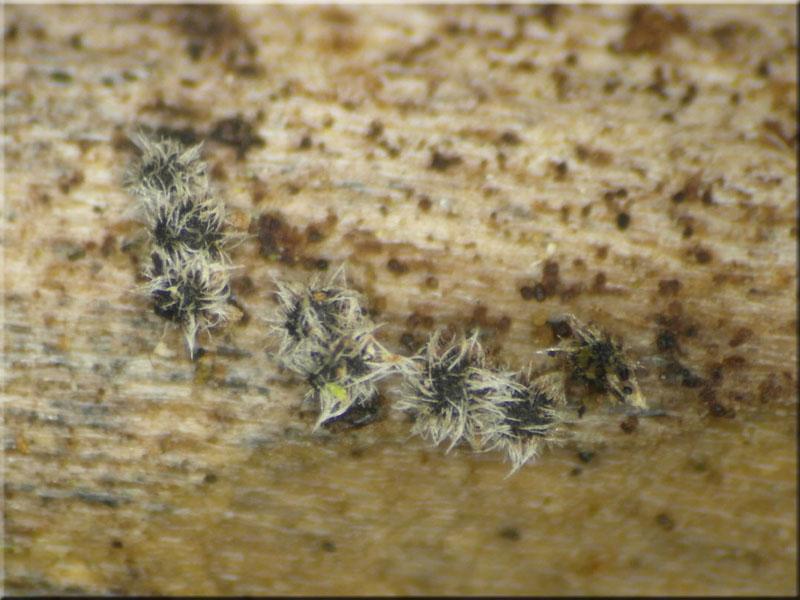
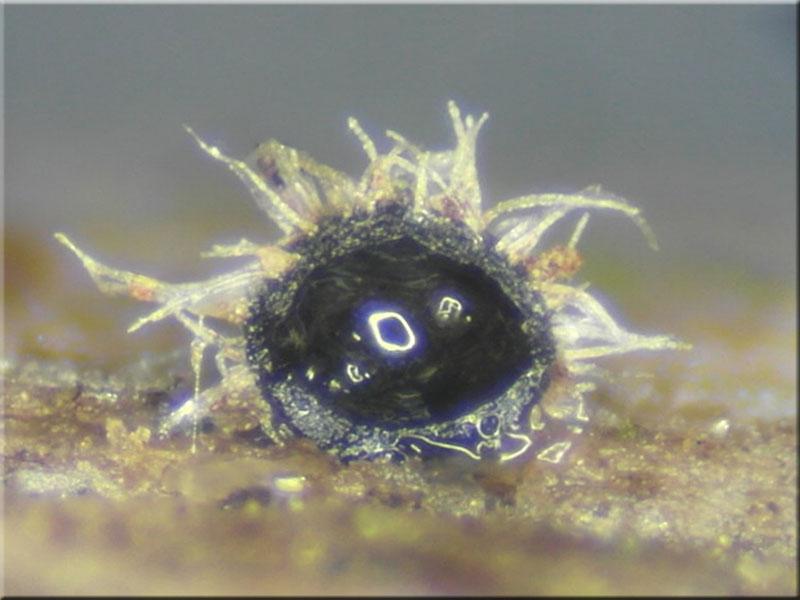
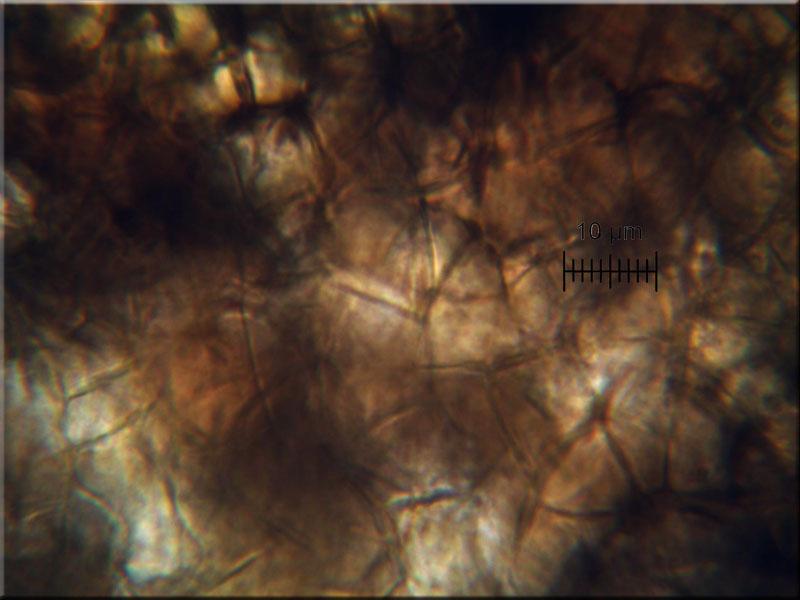
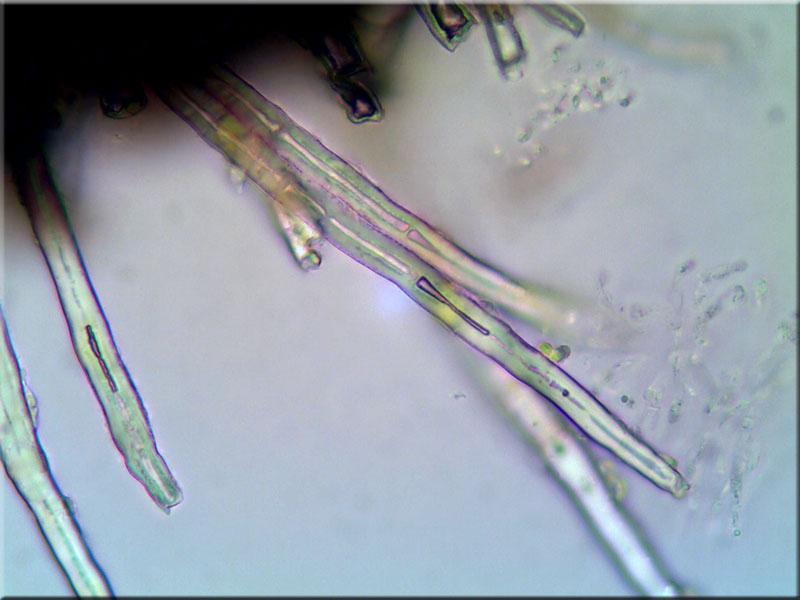
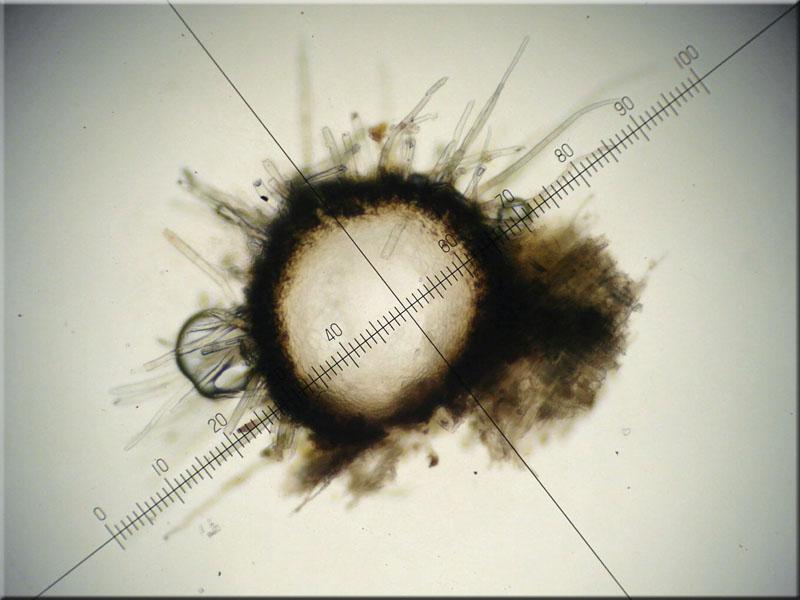
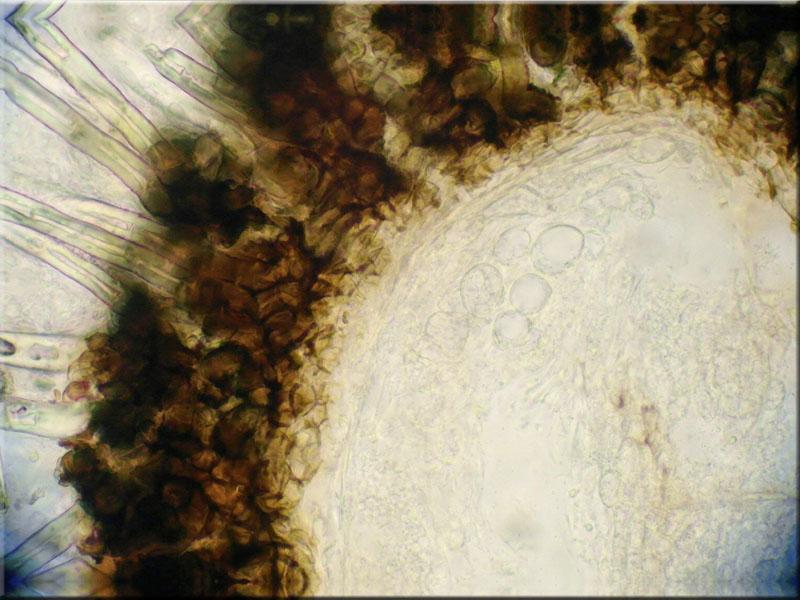
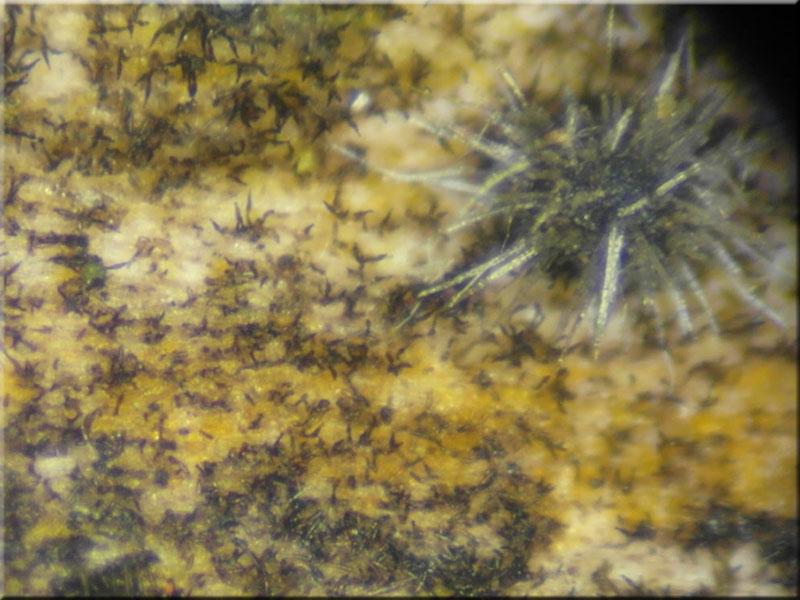
I found a few perithecia (diameter 0,35 mm) on Sambucus nigra without bark. Spores, hyaline, big 34-46 x 7,5-10,1 µm, becoming 1-septate. Hairs thickwalled (up to 365 µm long and 11 µm wide) with refractive walls. Asci 115-130 x 12-20 µm, IKL negative.
I thought first of an Echinosphaeria sp., but I understand that this genus has brown setae. Maybe a Trichosphaeria?
Regards, Maren
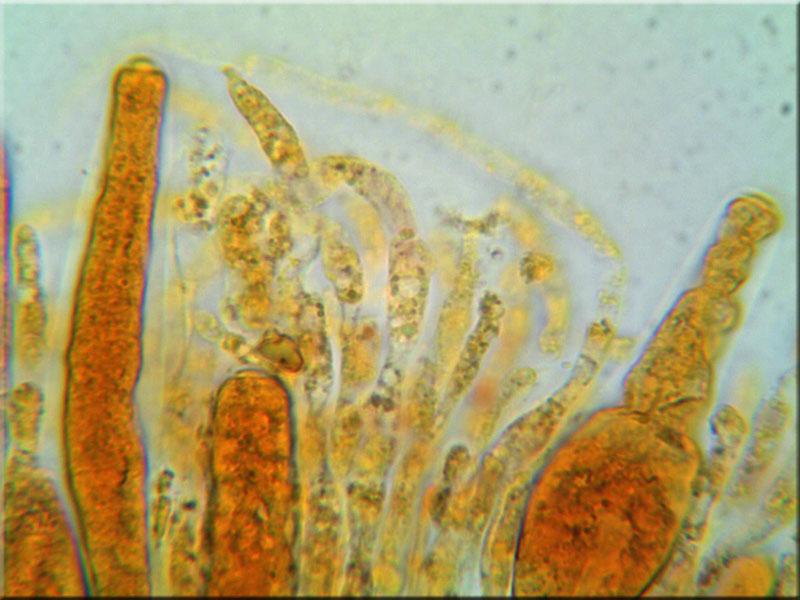
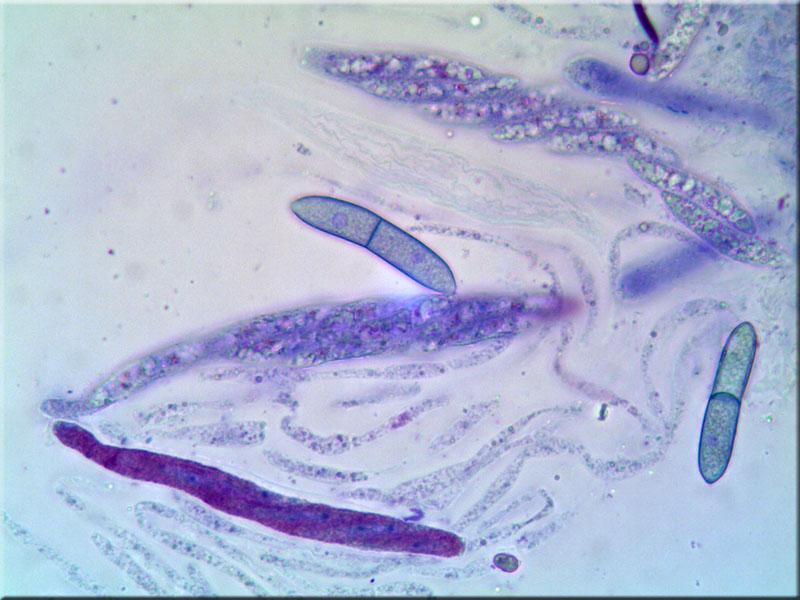
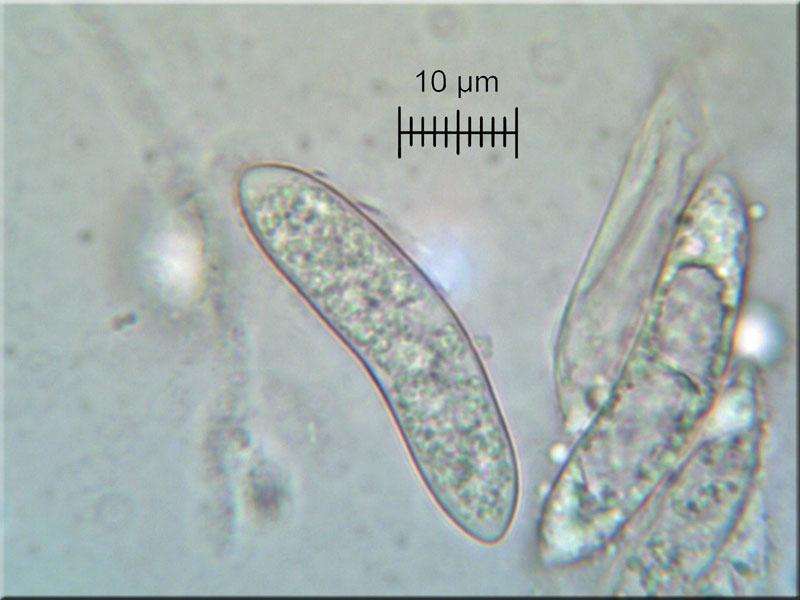
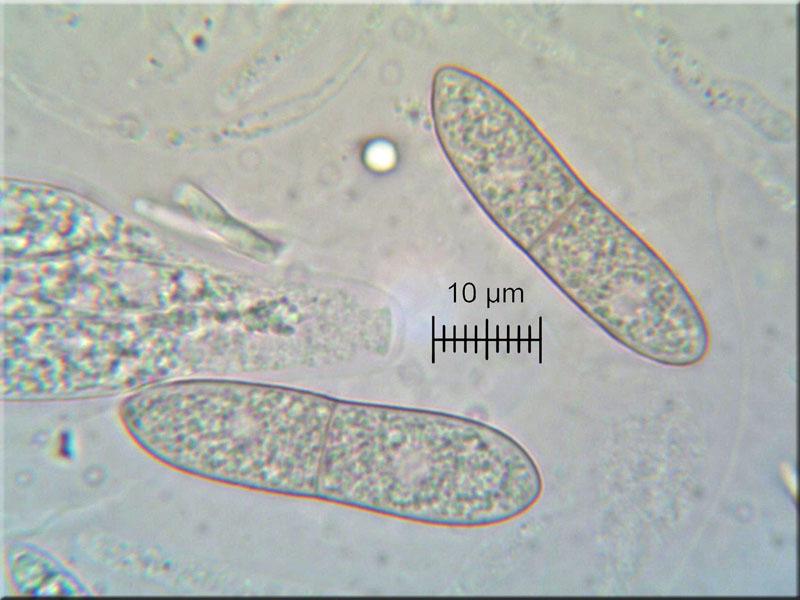
Maren Kamke,
13-03-2016 13:30
Re : Pyrenomycete with hyaline thickwalled hairs
Hi again,
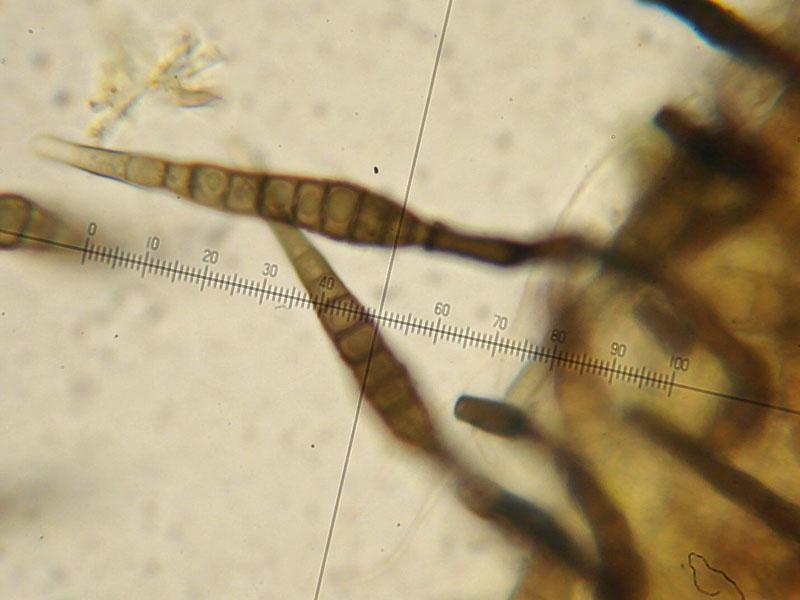
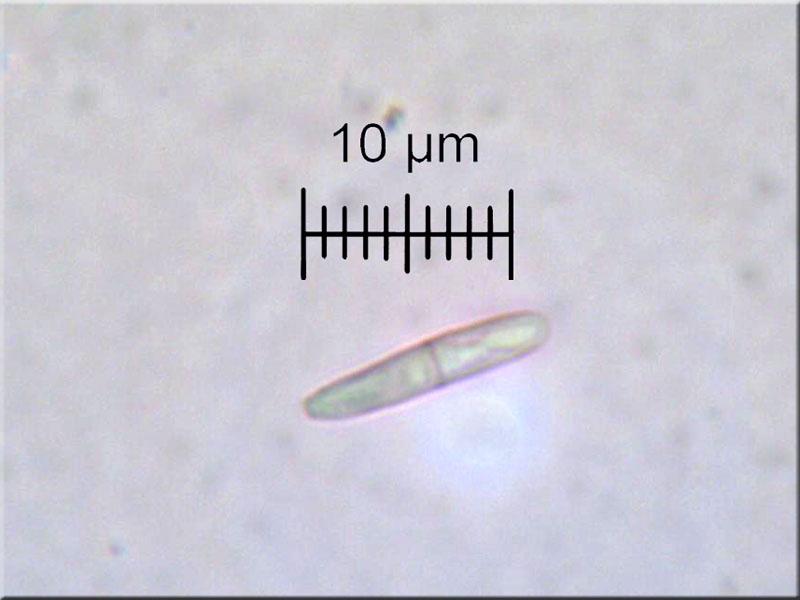
I found some immature perethecia on another stick. There are accompanying conidia.
Regards, Maren
I found some immature perethecia on another stick. There are accompanying conidia.
Regards, Maren
Jacques Fournier,
15-03-2016 15:17

Re : Pyrenomycete with hyaline thickwalled hairs
Hi Maren,
I think your fungus is related to the Helminthosphaeria stuppea complex (se Miller et al., 2014, Mycologia 106: 505-524), but ascospore size does not fit.
Could you check under the stereomicroscope if the ostiole is surrounded by 3-4 tubercles, as in typical H. stuppea?
Cheers,
Jacques
I think your fungus is related to the Helminthosphaeria stuppea complex (se Miller et al., 2014, Mycologia 106: 505-524), but ascospore size does not fit.
Could you check under the stereomicroscope if the ostiole is surrounded by 3-4 tubercles, as in typical H. stuppea?
Cheers,
Jacques
Maren Kamke,
15-03-2016 22:46
Re : Pyrenomycete with hyaline thickwalled hairs
Thank you Jacques,
I checked on tubercles, but there are none. I think it is indeed a species related to Helminthosphaeria stuppea. Maybe it's the same Europaean species which has been discussed many times here under the name Lasiosphaeria stuppea.
http://www.ascofrance.fr/search_forum/40144
http://www.ascofrance.fr/search_forum/14026
http://www.ascofrance.fr/search_forum/37289
Regards, Maren
I checked on tubercles, but there are none. I think it is indeed a species related to Helminthosphaeria stuppea. Maybe it's the same Europaean species which has been discussed many times here under the name Lasiosphaeria stuppea.
http://www.ascofrance.fr/search_forum/40144
http://www.ascofrance.fr/search_forum/14026
http://www.ascofrance.fr/search_forum/37289
Regards, Maren