
14-08-2016 23:15
 Alex Akulov
Dear friendsCan you help me to find the descriptio

05-06-2026 11:02
Thomas Læssøehttps://svampe.databasen.org/observations/10596691
04-06-2026 11:36
Gernot FriebesHi,found on Vaccinium myrtillus.Asci: IKI –, 8-s
05-06-2026 12:10
 François Freléchoux
Capitotricha sp. sur Lonicea caerulea Caractères
19-05-2026 10:27
Patrice TANCHAUDBonjour, récolte récente sur terre retournée i
04-06-2026 18:39
Gernot FriebesHi,I collected this species in two different locat
22-05-2026 13:29
Gernot FriebesHi,I am curious to hear your opinion on this mater

... found last week in the National Park Eifel, Germany. I found it the second time there, both times on the same host. I know V. insitiva from thick Fagus logs also (several finds in the National Park BAvarian Forest).
Are there different species in this complex? I hesitate to think a fungus on Fagus is the same than on Cytisus ...
Best regards from Lothar
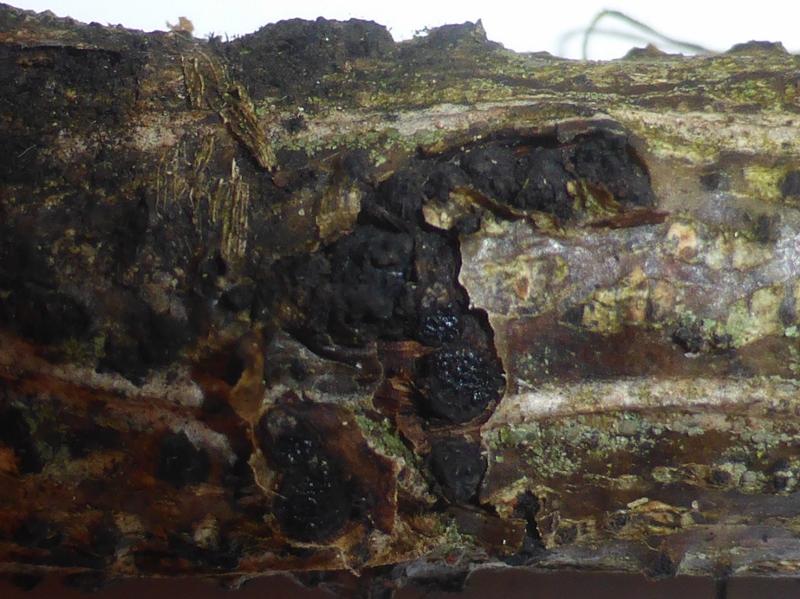
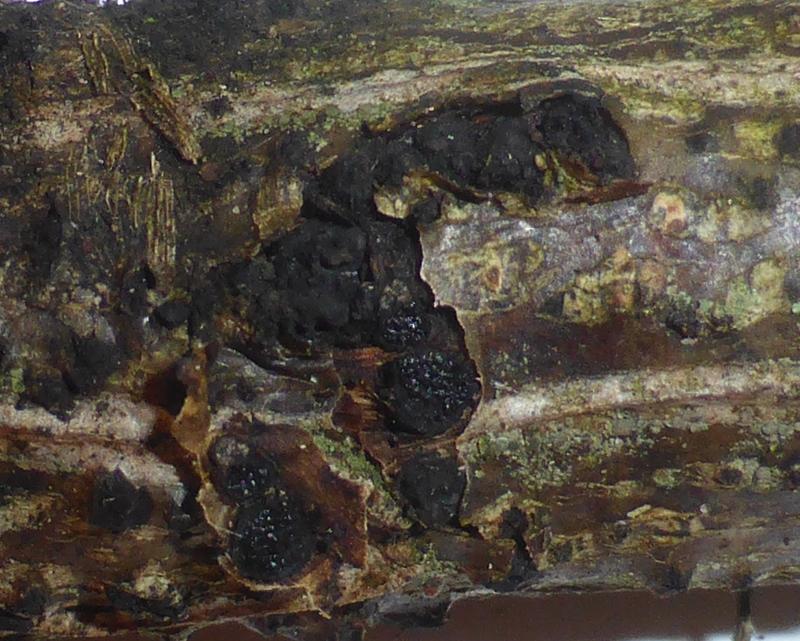
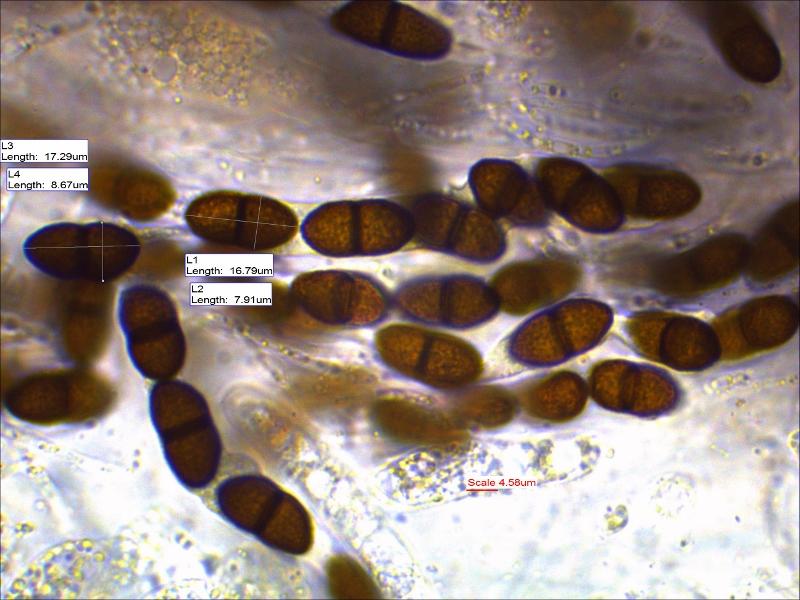
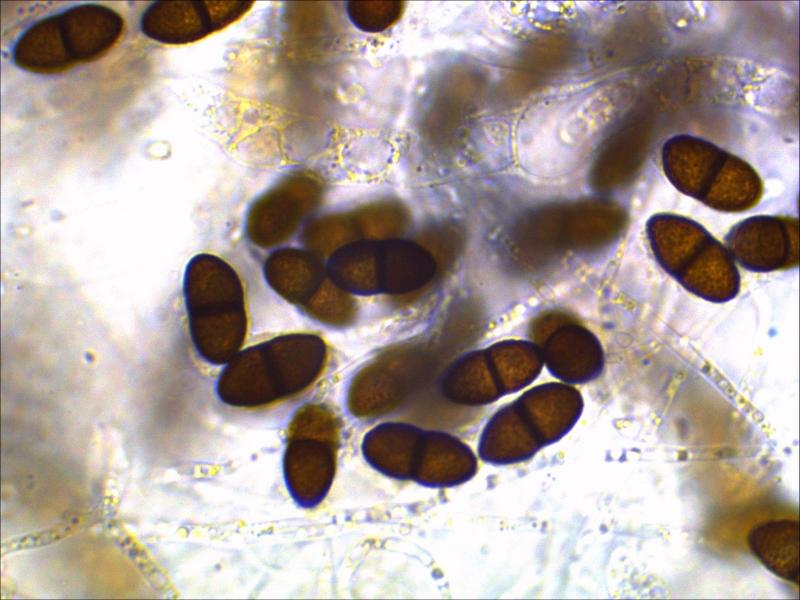
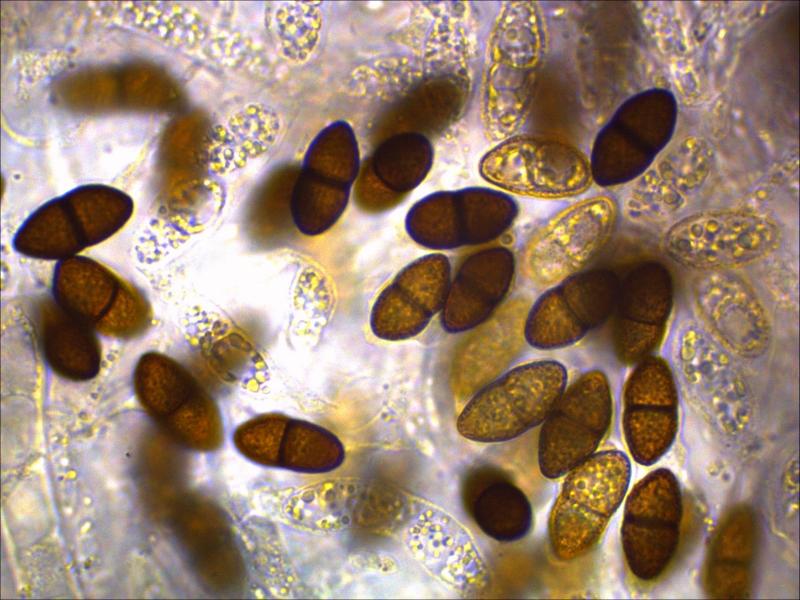
This species has been found on Ulex and Caesalpinia in the UK, according to the Fungal Records of Database of Britain and Ireland, and judging from the Britaish records can have a wide range of hosts.
As Cytisus is related to Ulex and Caesalpinia, all of which belong to Fabaceae, it would seem feasible for the Valsaria to be found on Cytisus as well.
Best wishes
Vivien

Hallo Lothar,
On thick logs of Fagus usually there are Myrmaecium rubricosum and M. fulvopruinatum. On Fabaceae there are different species but usually not V. insitiva. See the publication Jaklitsch et al. 2015, Valsaria and the Valsariales, Fungal Diversity 73:
https://www.ncbi.nlm.nih.gov/pmc/articles/pmid/27274717/
or for the original version:
https://www.researchgate.net/publication/276441471_Valsaria_and_the_Valsariales
Regards Hermann
Hello Vivien and hello Hermann,
thank you very much for the important information -
and you, Hermann, for the very valuable link. I think this brings new questions but hopefully soon some answers to me!
Best regards from Lothar
Hi Hermann
I just read in the paper of Jaklitsch & al. - and find that insitiva and the other species (robiniae, spartii) are hardly to separate morphologically. And further: insitiva was (as the only of the three species!) found on Cytisus scoparius. So ....
Best regards from Lothar
Yes, these are sometimes difficult to separate, without sequence data. In these cases one has to stick to V. insitiva sensu lato...
Best regards,
Hermann