31-03-2026 08:19
 Bernard CLESSE
Bonjour à toutes et tous,Pourriez-vous m'aider à
30-03-2026 12:03
 William Slosse
Hello all,On 27/03/26, in Kraaiveld in Wingene (Be
25-03-2026 10:35
Hulda Caroline HolteHello,I collected this species growing on a dead b
30-03-2026 09:53
Yanick BOULANGERBonjourVoici des petites fructifications poilues s
27-03-2026 10:47
Åge OterhalsI have tentatively identified this Stictis to S. f
28-03-2026 07:55
 Marc Detollenaere
Hello everybody,Yesterday I found a number of whit
26-03-2026 15:31
 Åke Widgren
Hello,I found this one in October last year, on r
27-03-2026 15:23
Gernot FriebesHi,this Trichopezizella deviates from typical T. b
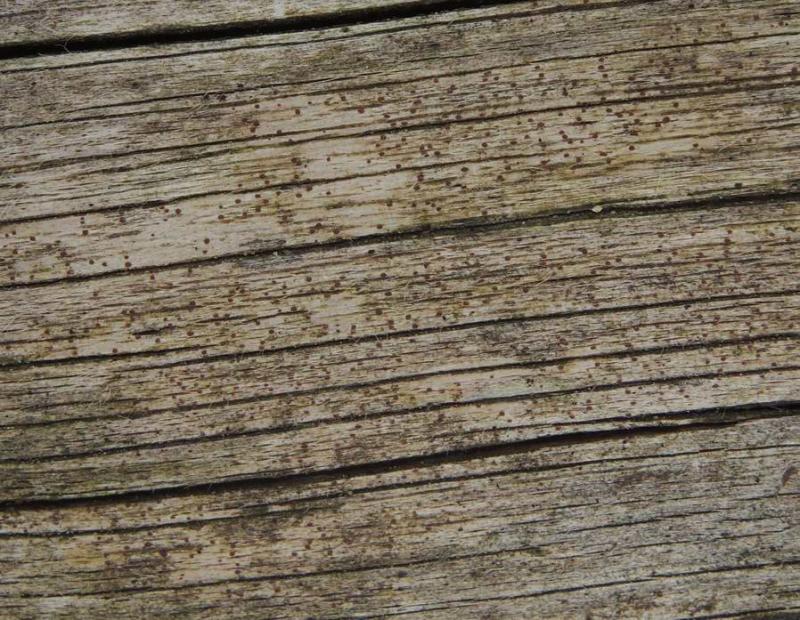
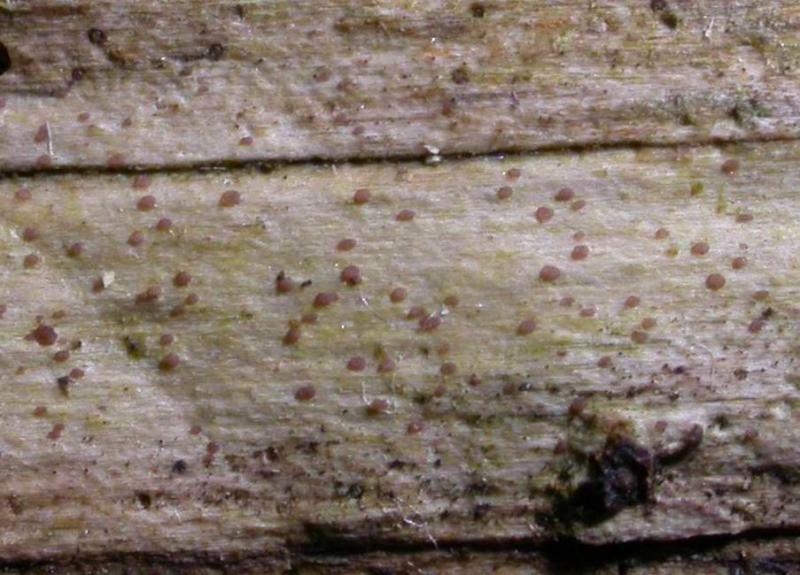
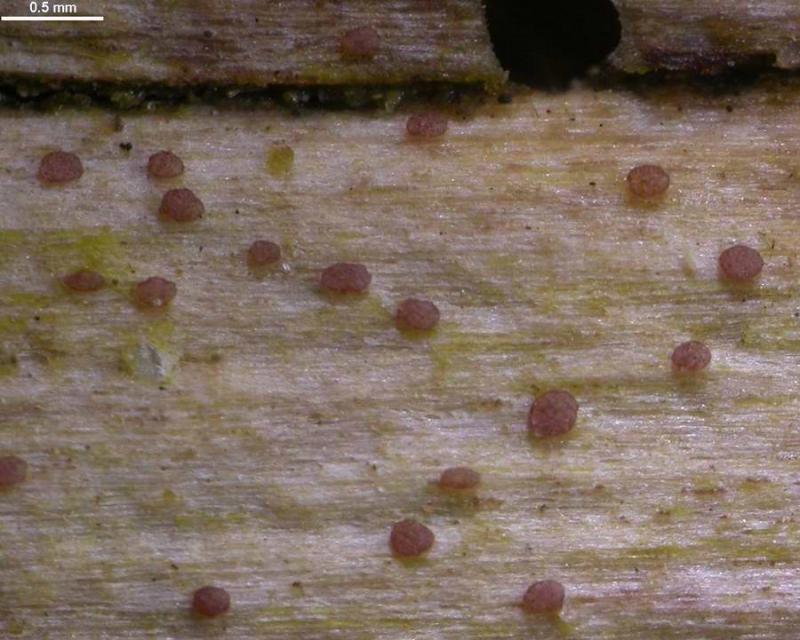
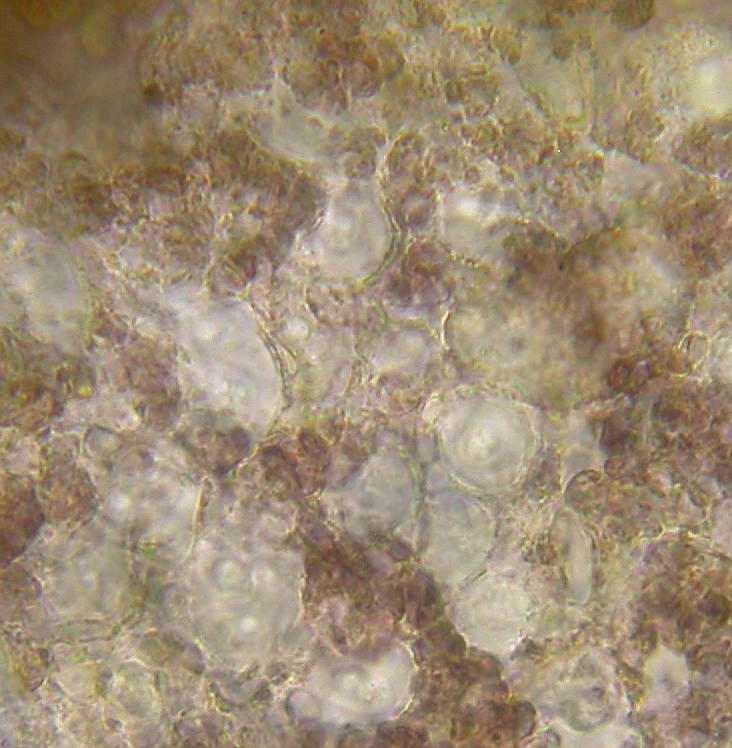
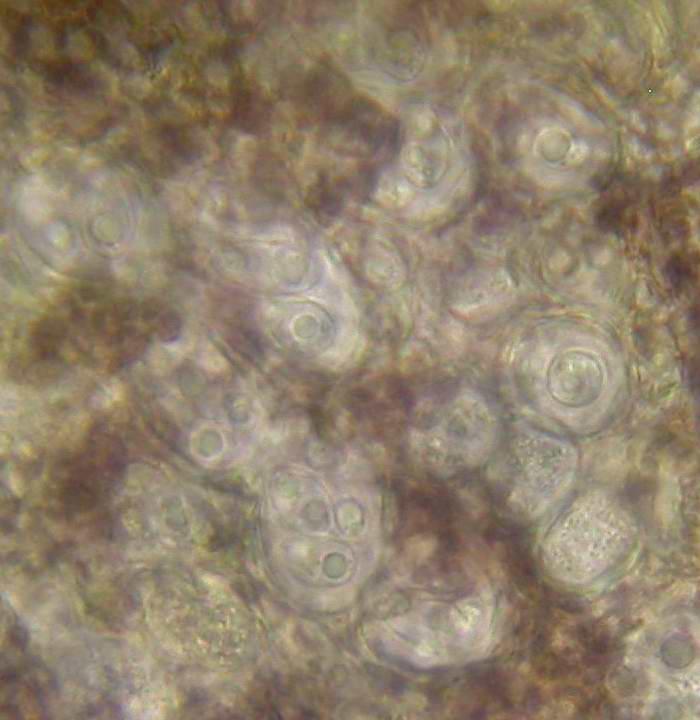
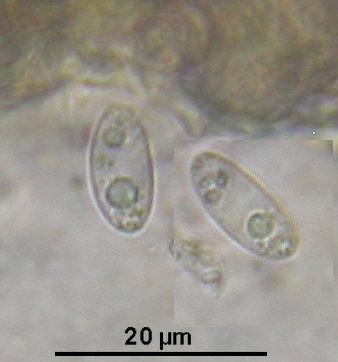
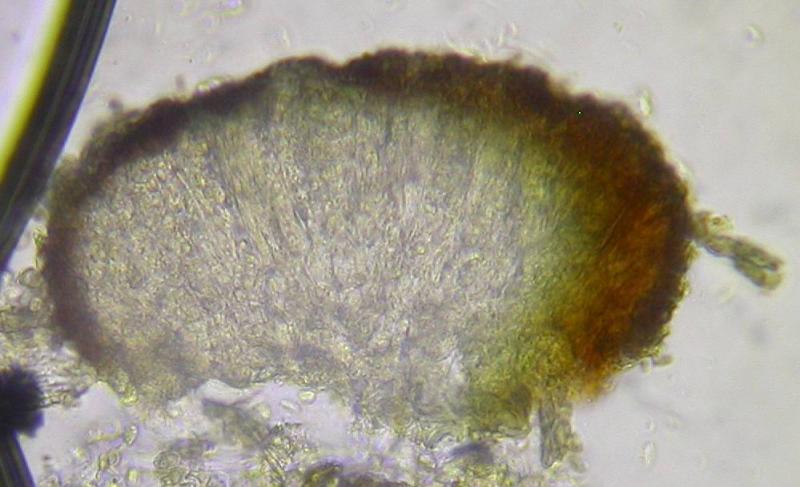
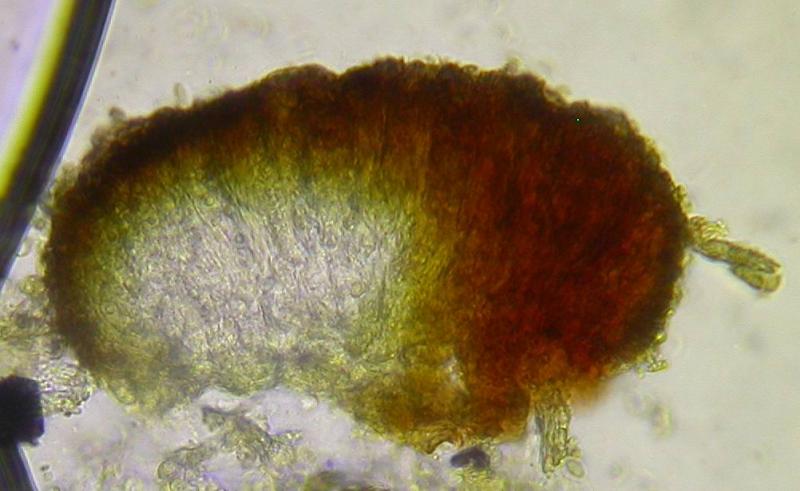
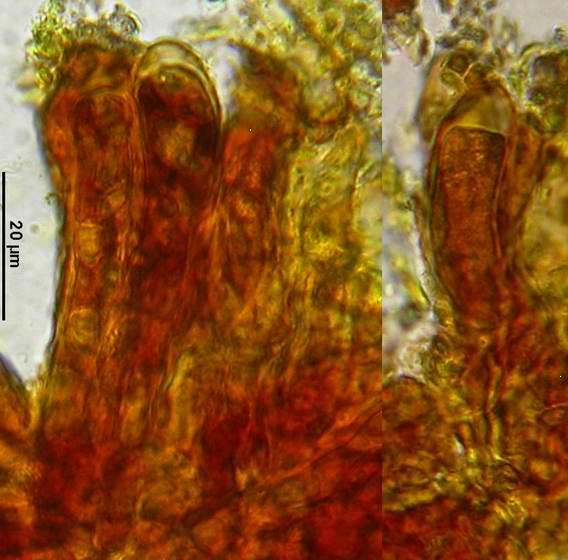
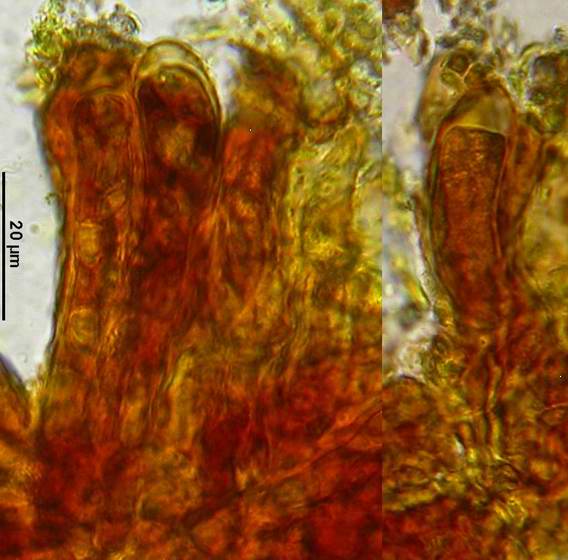
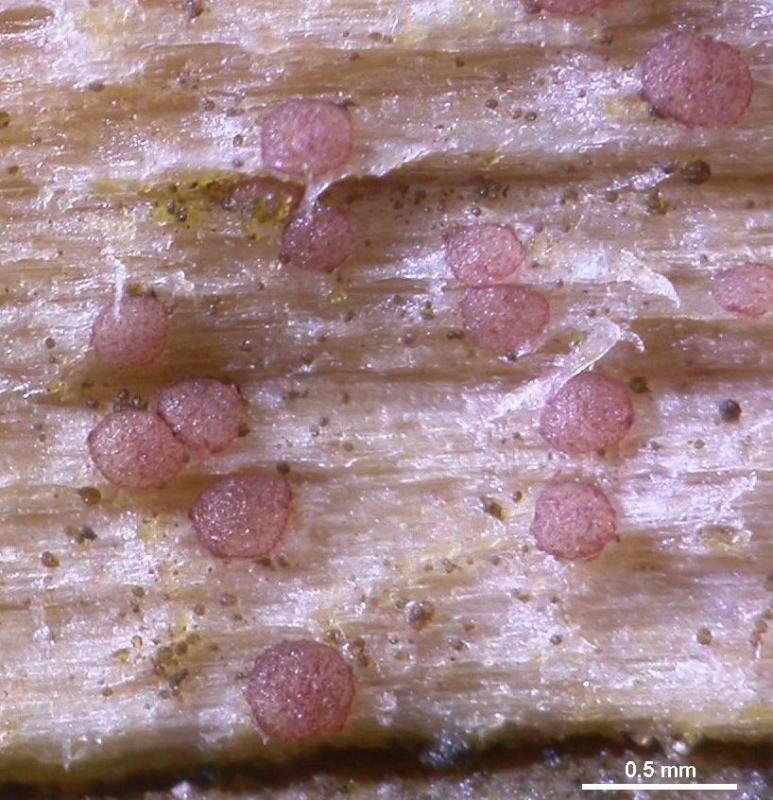
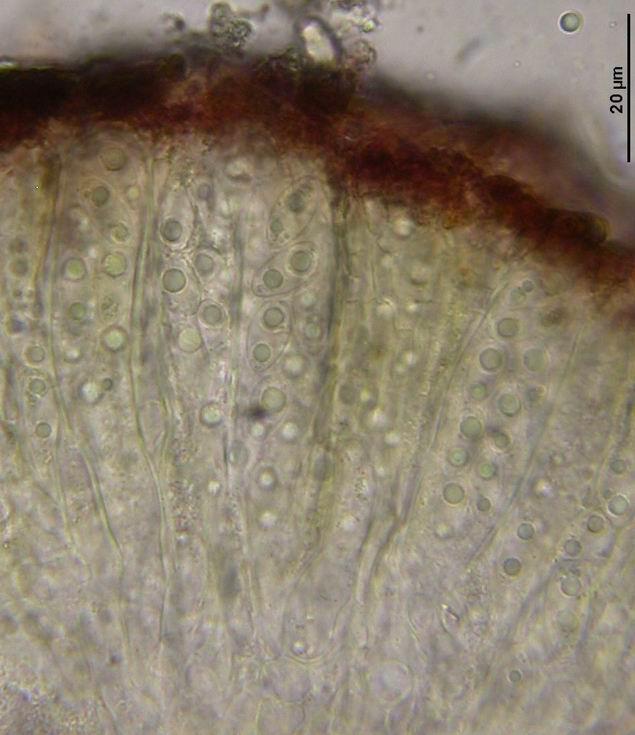
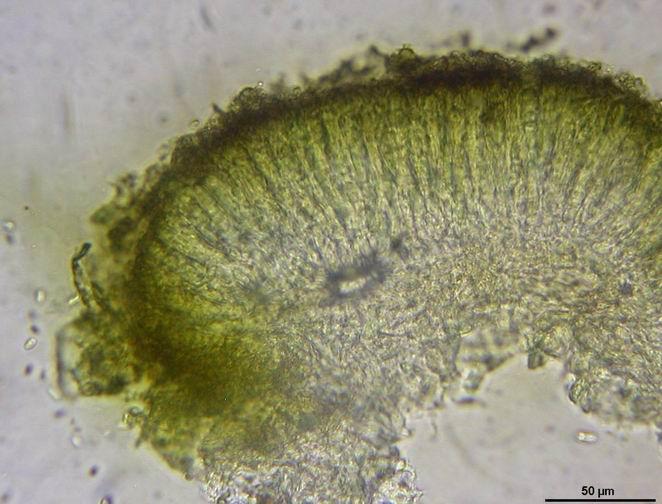
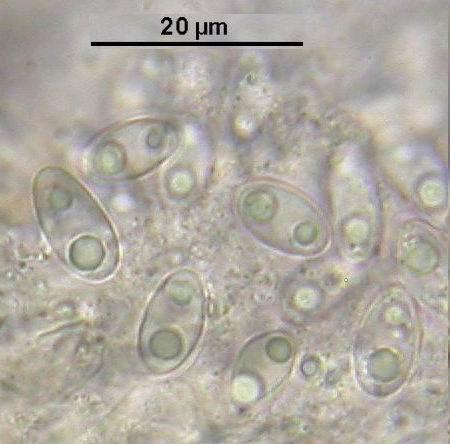
 On the upper side of fallen, decorticated, +/- undecayed logs of Picea and Pinus, found in association with Tromeropsis microtheca and Claussenomyces atrovirens in Tübingen-Pfrondorf, Hägnach, 26.III. & 2.IV.2017, E. Weber & H.O. Baral. On whitish areas of wood, not lichenised Asci with inamyloid tholus but outer wall hemiamyloid (red, hardly any blue at low concentration). Sporex ca. *12-13 x 5.3-5.5 µm.
We thought it should be an Agyrium, and actually it is very similar to A. rufum, but it differs:
- spores narrower, with a lower, more biguttulate oil content
- more purplish-rose instead of orange exudate
- smaller apothecia (0.17-0.3 vs. 0.25-0.5 mm)
- IKI almost RR (vs. clearly RB in A. rufum)
We found this drought-tolerant species in great abundance, but only on the exposed upper side.
There seems to be a lack of literature about this genus.
Zotto
 9Lichen-HB-10051b-8-IKI-0001.jpg
In the third the rose-lilac pigment changed to olive and partly extrudes in the medium.
The fourth is in IKI after KOH.


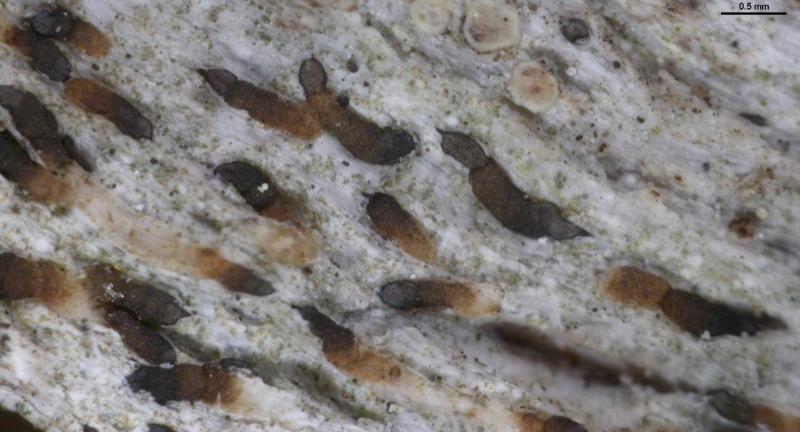
My suggestion is it belongs to a lichenized stuff, i.e. to Xylographa trunciseda, the thallus should be hidden below wood surface as dispersed goniocyst-granules visible as darker spots when twe wood is moistured, it should contain a lichen substance confriesic acid (UV +blue-white) that is known e.g from xylopsora caradocensis and X. friesii (= Hypocenomyce f.)
the recent monograph of Xylographa by Spribille et al. 2014 (where X. trunciseda is introduced as new to Germany from Bavarian forest) is available for download: http://geobotanik.uni-goettingen.de/images/forschung/publikationen/publ_spribille/Xylographa_final.pdf
I myself collected the species in Scandinavia and Caucasus.
In central Europe it seems to be more rare
Zdenek
many thanks for your interesting comment. I compared the description and indeed there seems to be a lot that supports your identification. What I miss is the rose-violet hymenial colour and also the KOH reaction changing this colour to yellowish-olive. Might this be due to the old age of the studied material? But some are quite recent, e.g., 2011, see GenBank KJ462330.
Zotto
Hallo Zotto,
the pigments are strange indeed, I just screened one of my specimens of Xylographa trunciseda collected last year and no such purplish pigment that you pointed out, was able to observe. Perhaps it may be a related taxon to X. trunciseda, it would be interesting to find the chemistry, also you may try to ask Toby Spribille. Maybe I am wrong with Xylographa
all the best
Zden?k
Xylographa seems to have a very special way of the apothecia to grow in one direction. I know this from X. parallela, see here. Nothing like that I saw in the present fungus.
In any case, these Xylographas look interesting and I will take care of them when collecting in the future.
Zotto