
05-04-2026 22:46
 Lothar Krieglsteiner
on wood of Ceratonia, Algarve, 3.4.2026.The color
05-04-2026 20:40
 Robin Isaksson
Hi!Found i Japan on bark of Abies sp. Spores 35-4
31-03-2026 21:18
 Miguel Ángel Ribes
Good evening. oes anyone have the original descrip
31-03-2026 20:57
Stefan BlaserHello everybody, I hope somebody can help me with
26-03-2026 15:31
 Åke Widgren
Hello,I found this one in October last year, on r
31-03-2026 16:20
 Mlcoch Patrik
Hello, Please about help with determination. On
31-03-2026 08:19
 Bernard CLESSE
Bonjour à toutes et tous,Pourriez-vous m'aider à

Dear forum,
On the bark of Larix I found some some small cup-shaped apothecia 0.2-0.25mm on a copious whitish cobwebby subiculum. The hyphae showed some warts. Clamps were not present. Among the hyphae I found a lot of conidiospores of about 16x11µ.
The asci were uni- to irregularly biseriate and measured about 46x6µ. Spores were hyaline, allantoid and measured 7x2.5µ. The cylindrical paraphyses showed some small drops. Hairs were smooth, 20-30µ, and ended in a pointed tip.
Could this be Hyaloscypha fuckelii on hyphae of an anamorf fungus or belong anamorph and telemorph to the same species?


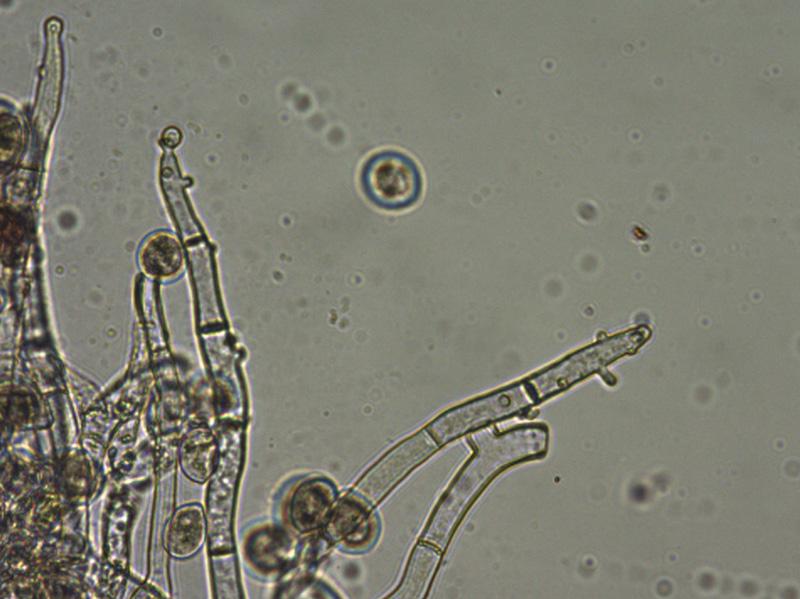
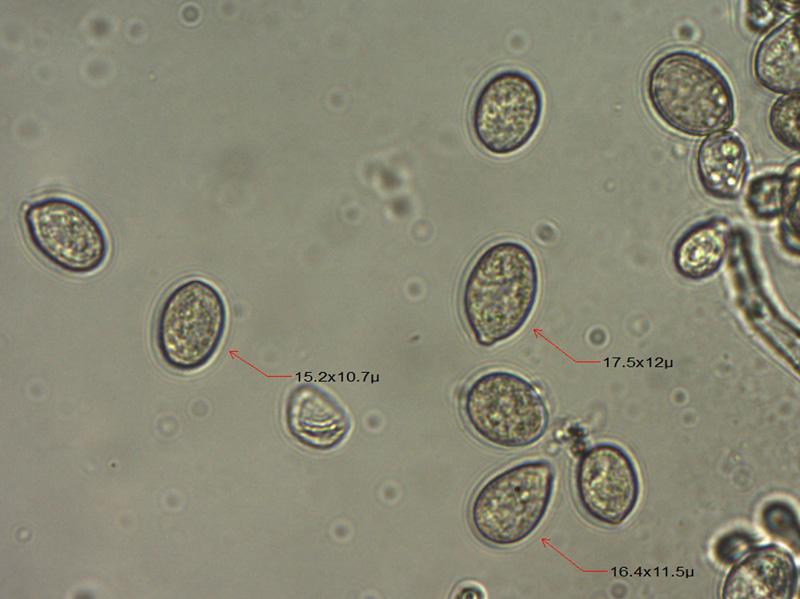

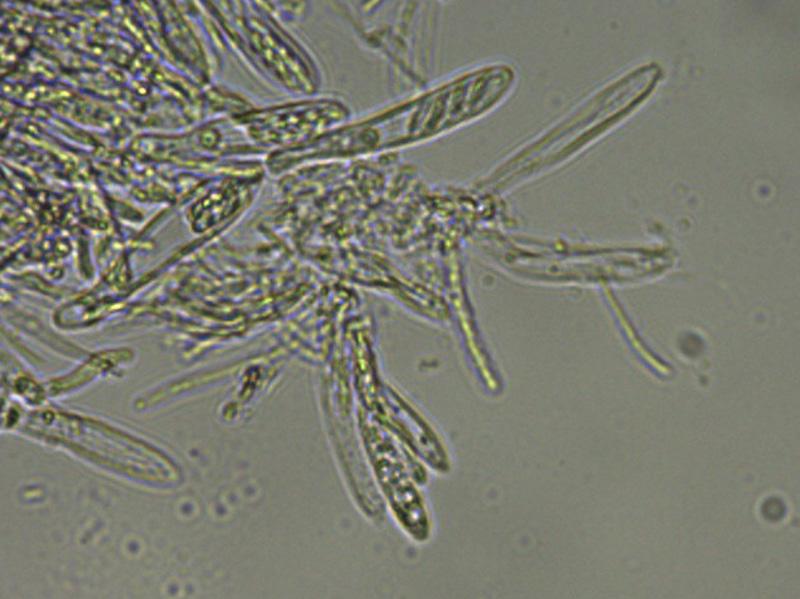
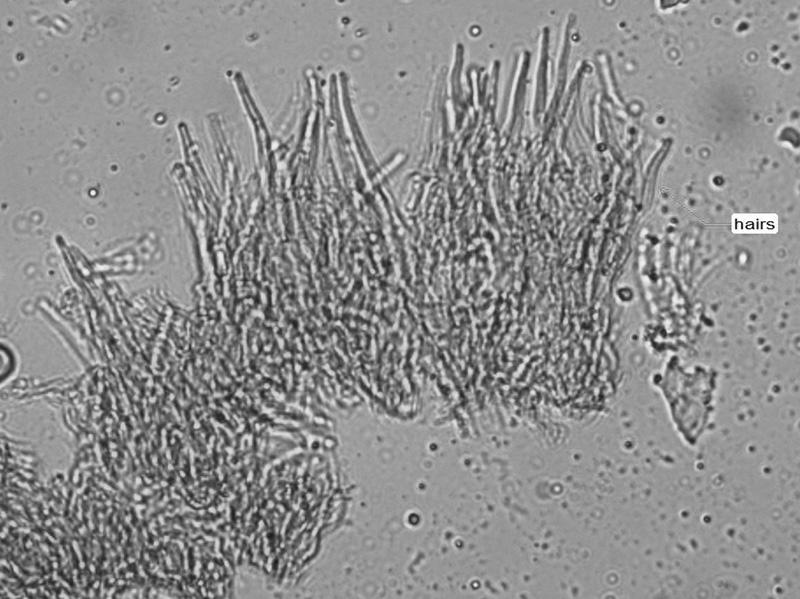
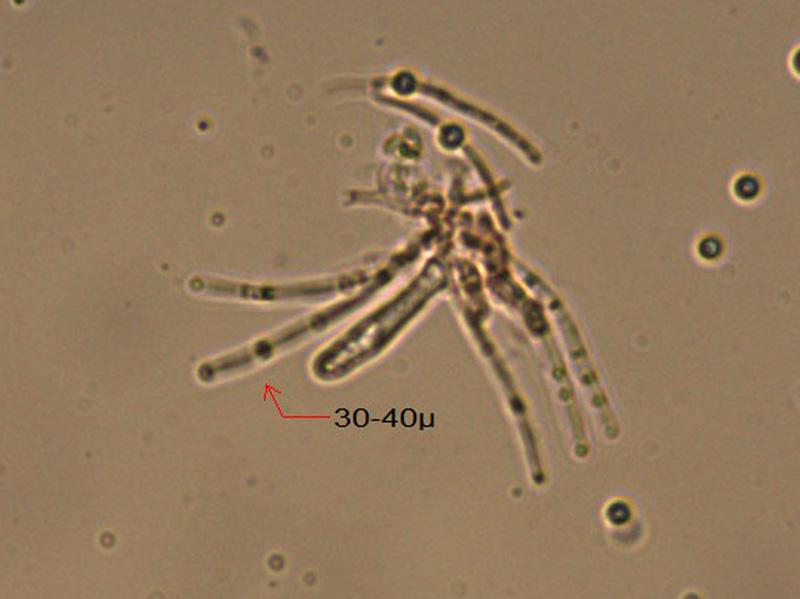
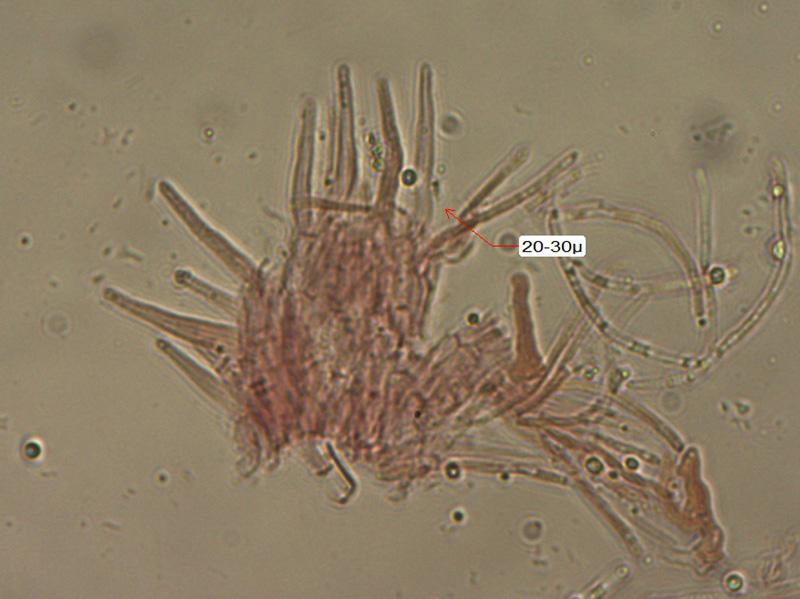
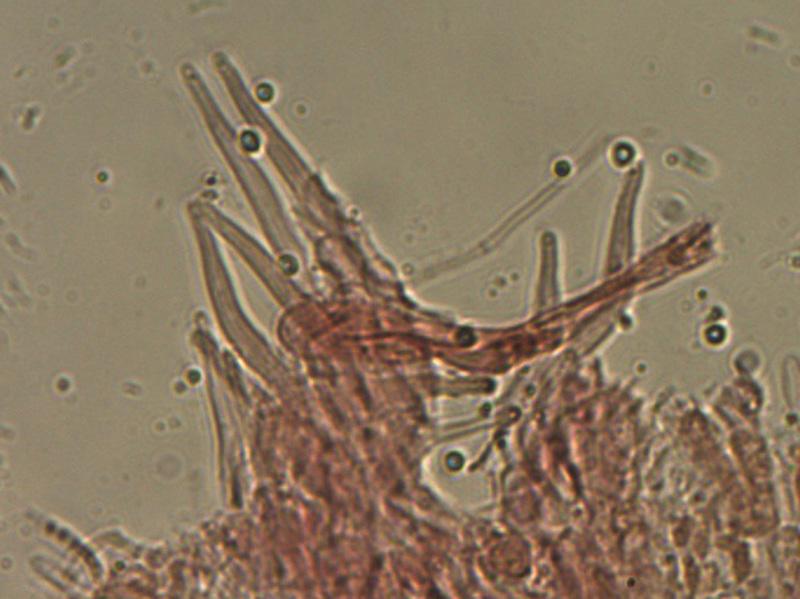

The broad hyphae are another fungus.
definitely not. I see in some hairs an apical minute glassy knob, and that occurs sometimes in Hyaloscypha.
Zotto
Thank you for the suggestion Simon.I will try the anamorph key in Bernicchia
Marc
Good evening Hans-Otto
You are right about the vacuolar bodies although they are not always present.
Is Psilachnum the only choice with VB's?

Looks very much like a Hyaloscypha to me. Haven't seen Psilachnum-droplet often in Hyaloscypha, but occasionally yes, so not impossible. I think Larix is not that well known as a substrate (or maybe Raitviir knew it?). Most Hyaloscyphas show dextrinoid reactions, have you tried that? Works for dried material as well. Can't recall Psilachnums having dextrinoid reactions.
Timo
:-), yep, hairs/excipula should turn something close to maroon / red wine / Earl Grey (no milk) (=dextrinoid). If something is turning blue only then you call it amyloid. But I'll take it that you just very much confirmed it as an Hyaloscypha.
T