
25-03-2026 10:35
Hulda Caroline HolteHello,I collected this species growing on a dead b
30-03-2026 09:53
Yanick BOULANGERBonjourVoici des petites fructifications poilues s
27-03-2026 10:47
Åge OterhalsI have tentatively identified this Stictis to S. f
28-03-2026 07:55
 Marc Detollenaere
Hello everybody,Yesterday I found a number of whit
26-03-2026 15:31
 Åke Widgren
Hello,I found this one in October last year, on r
27-03-2026 15:23
Gernot FriebesHi,this Trichopezizella deviates from typical T. b
27-03-2026 15:08
Gernot FriebesHi,I'm looking for help with this coelomycete on C
24-03-2026 21:37
Elisabeth StöckliBonsoir,Sur bois (tronc) très pourri de conifère


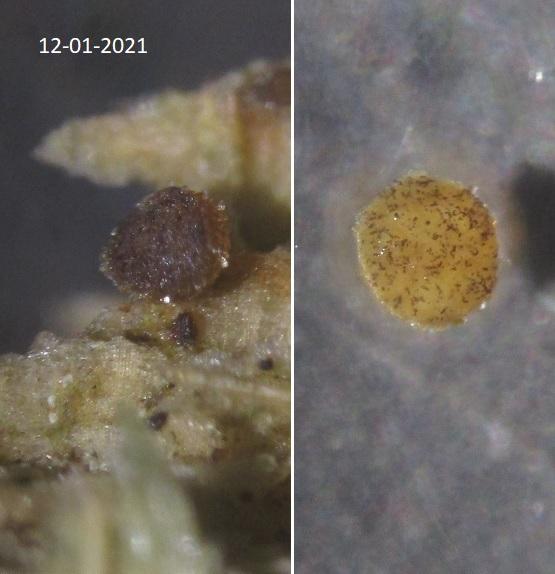
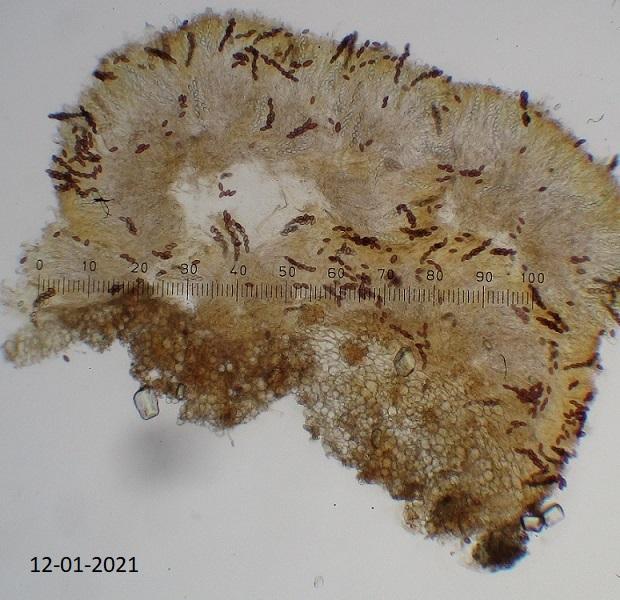
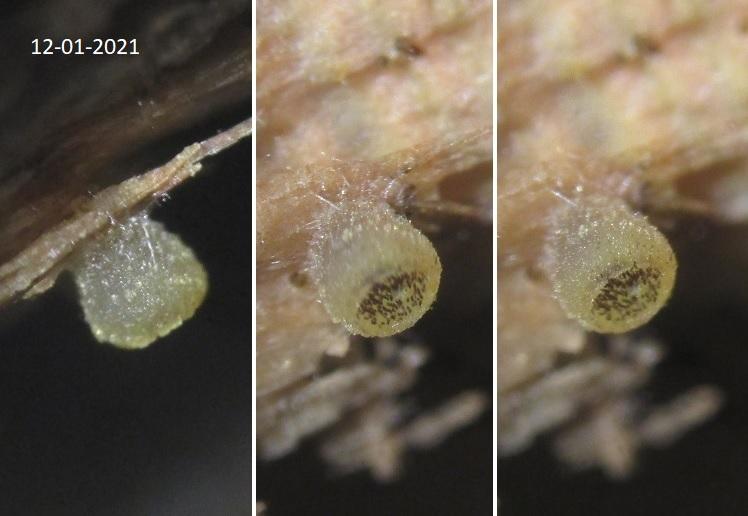
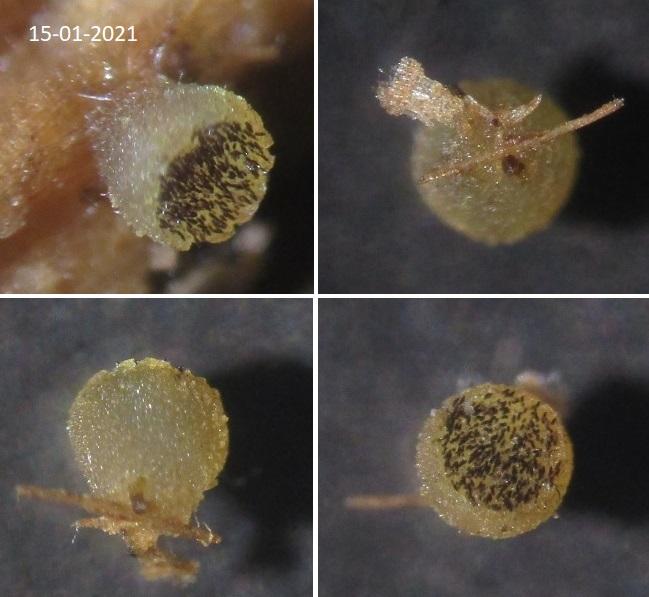
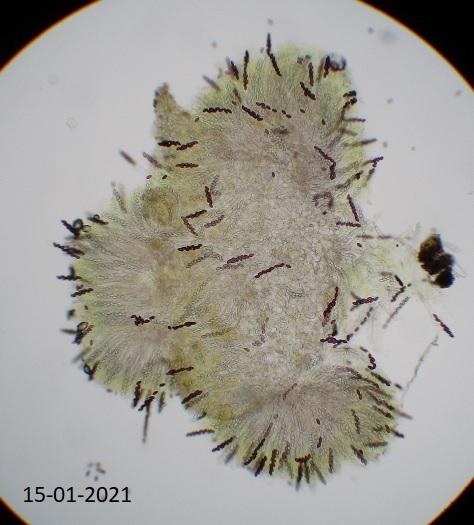
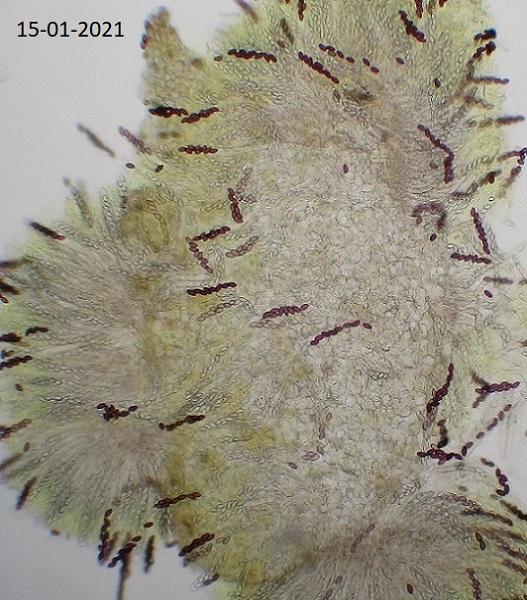
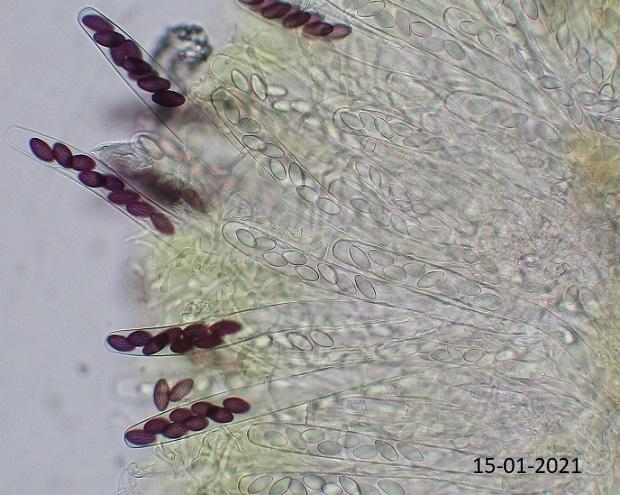
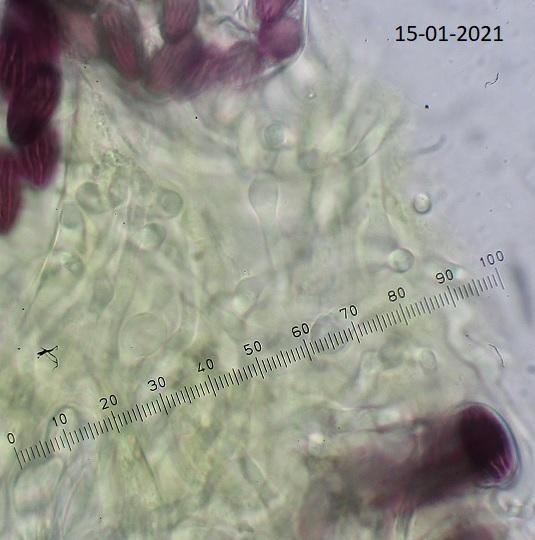
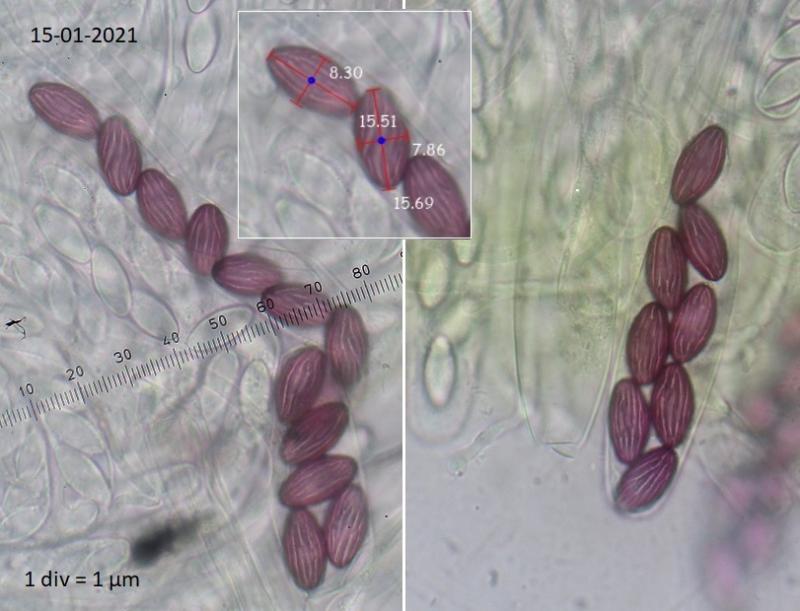
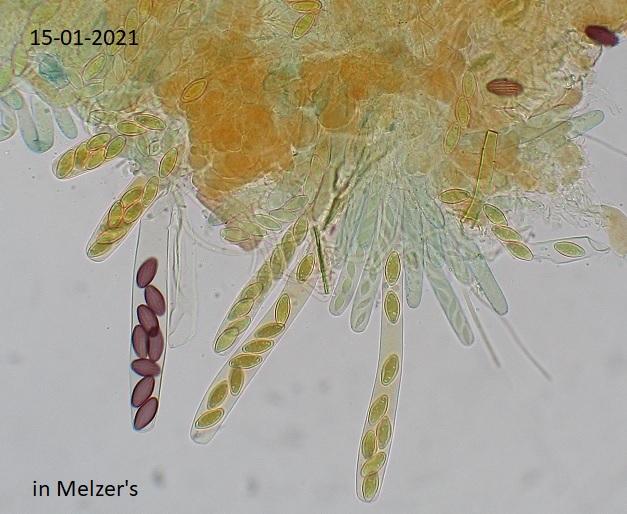
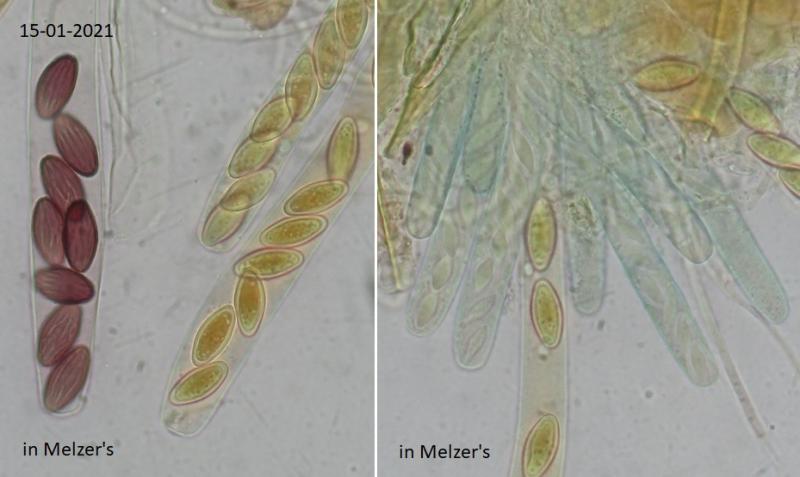
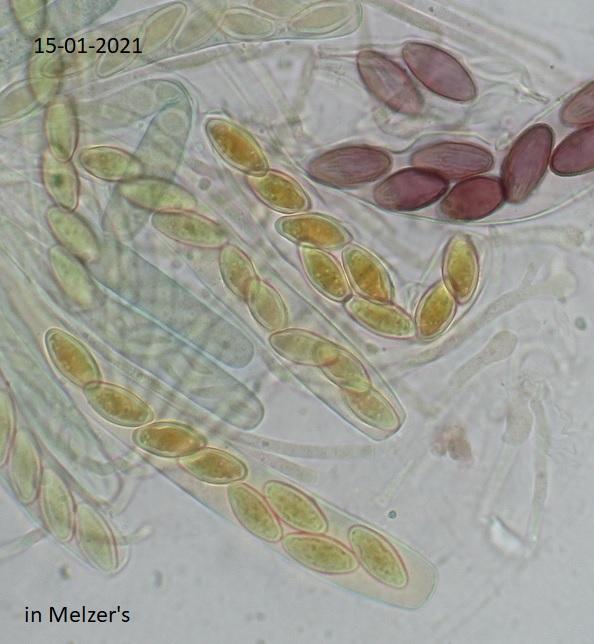
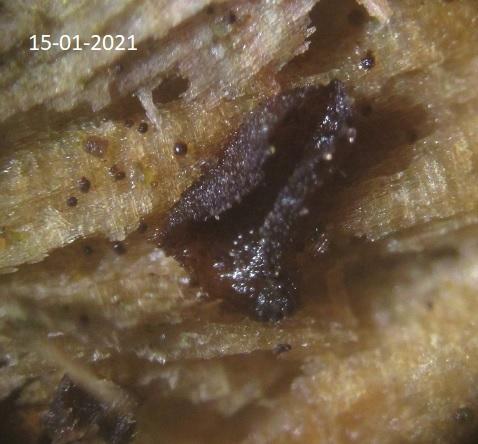
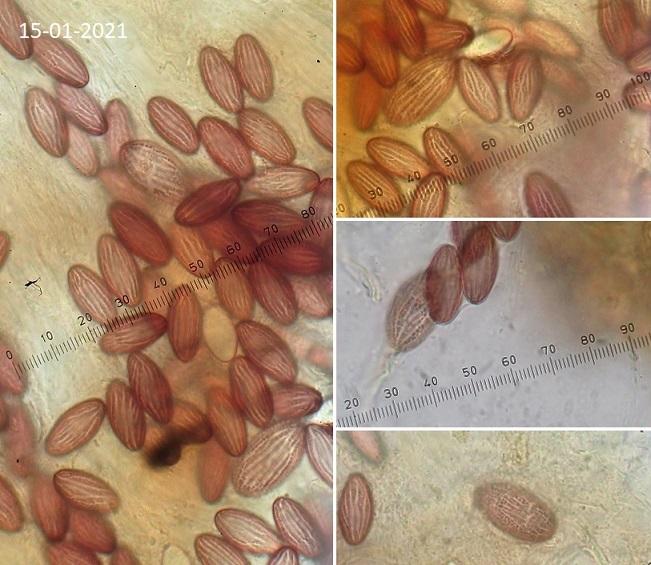

Hi Riet,
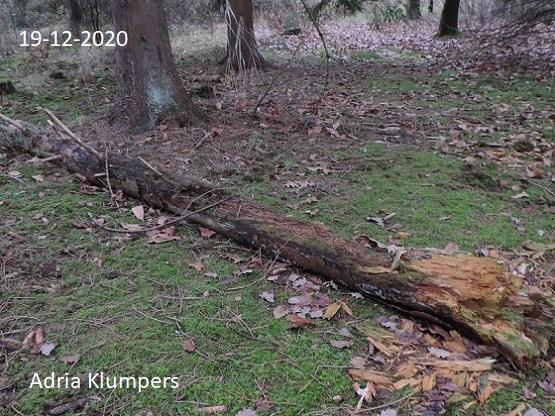
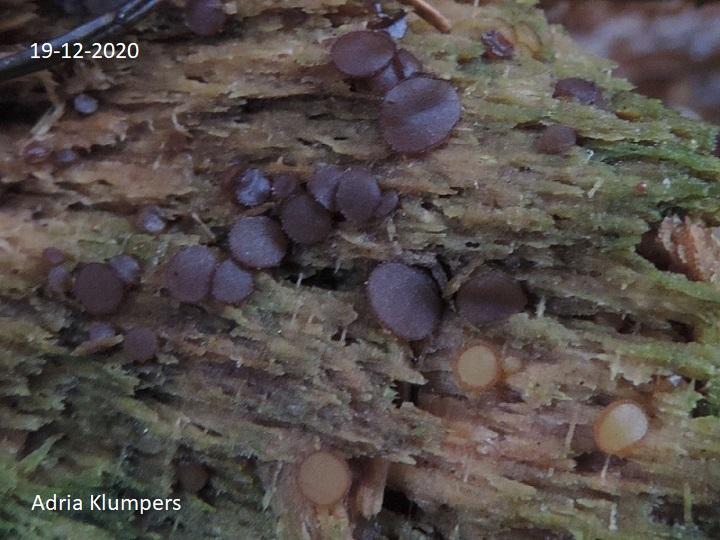
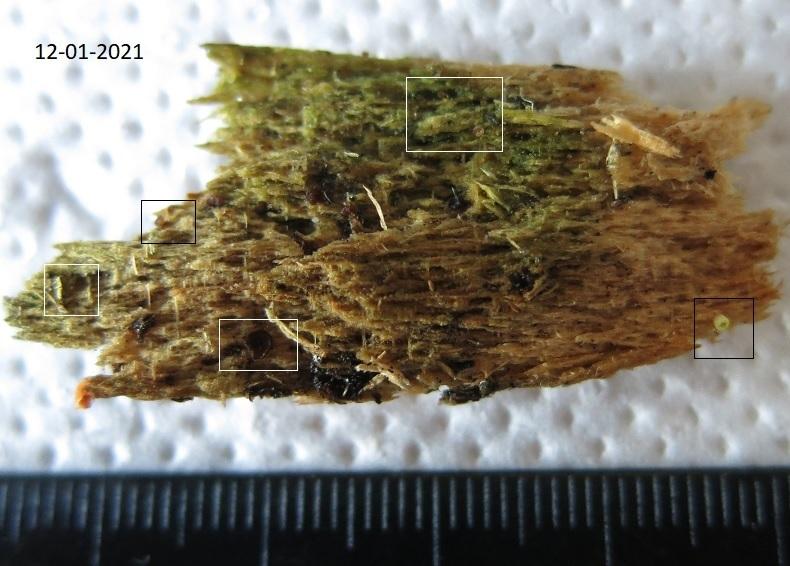
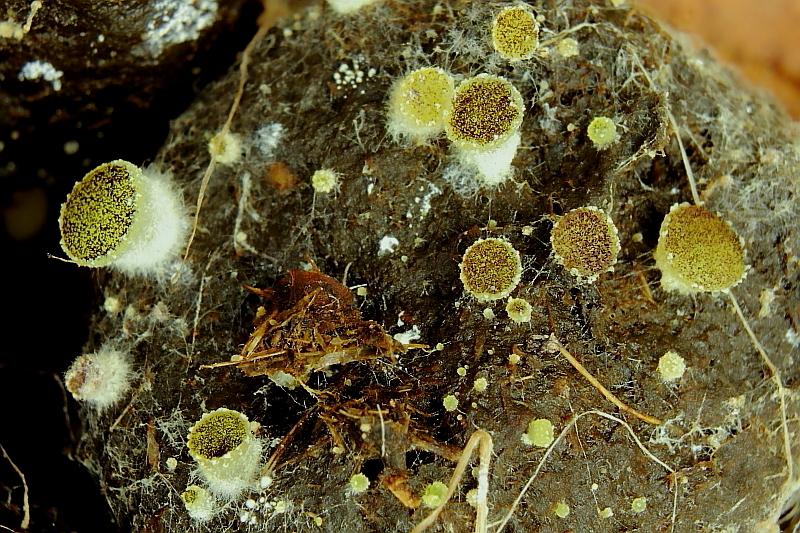
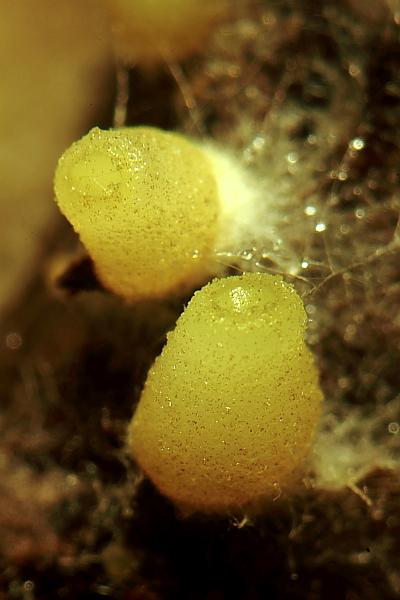
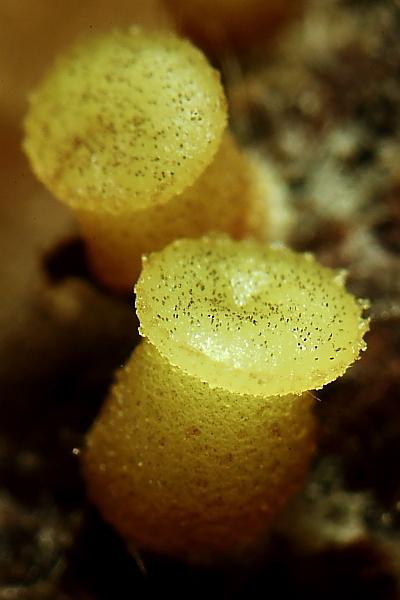
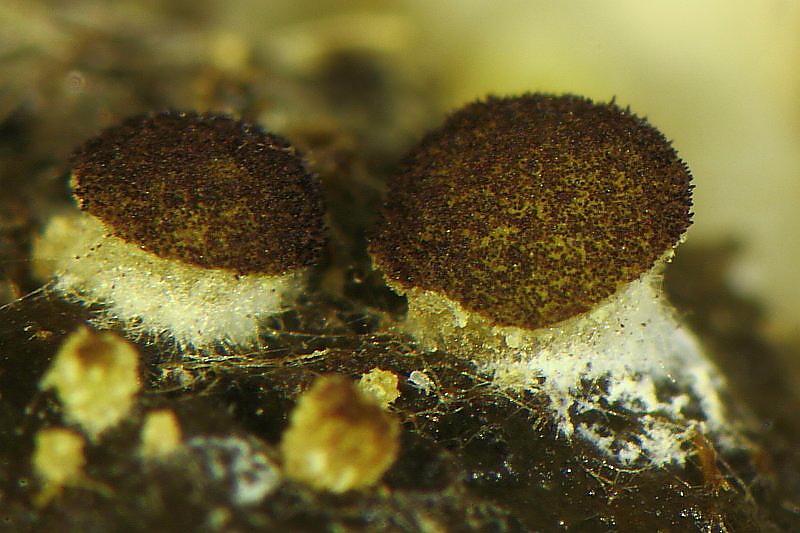
Some years ago I collected an Ascobolous from a fallen, rotten trunk or branch of Picea. I remember that there was quite a dense colony. This I IDed as Ascobolus lignatilis from Ellis and Ellis and is the only lignicolous species in that reference. It does seem quite close to foliicola both macroscopically and microscopically but with a different habitat preference. Is epimyces a soil-dwelling species?
Best wishes,
Charles.

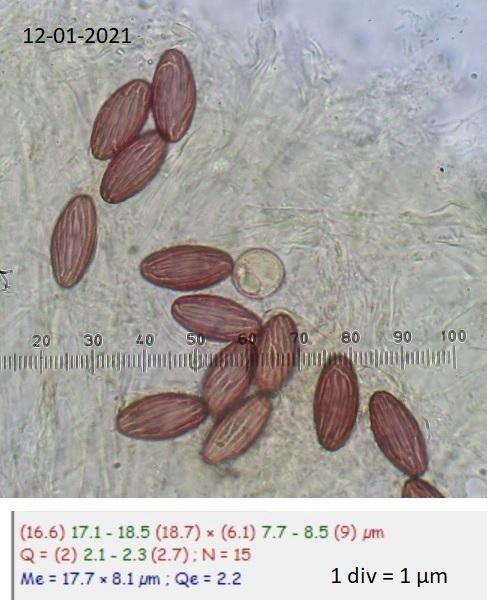
Nice pictures ! Rather agree with Charles for A.lignatilis. In my opinion, A.epimyces has more pointed spores at the ends with a more dense ornamentation, and A.lignicola an on average larger spore width with a more reticulate ornamentation.
Michel.

I have no experience of A. epimyces but based on Brummelen's description the latter has more fusoid ascospores with anastomosing ridges. This is not the case in the ascospores of your collection.
This is not a common species.
Hi again Riet,
Thanks for the reference-have just had a look and the fusoid spores seem characteristic of epimyces.
Charles.

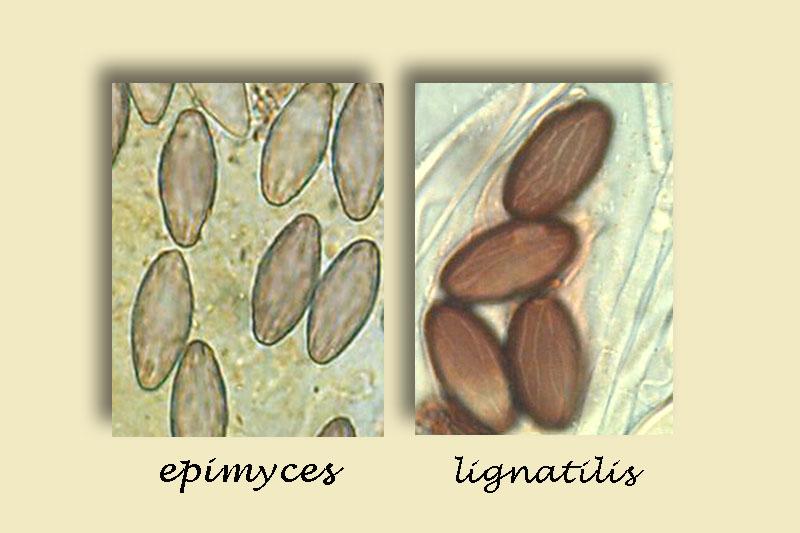
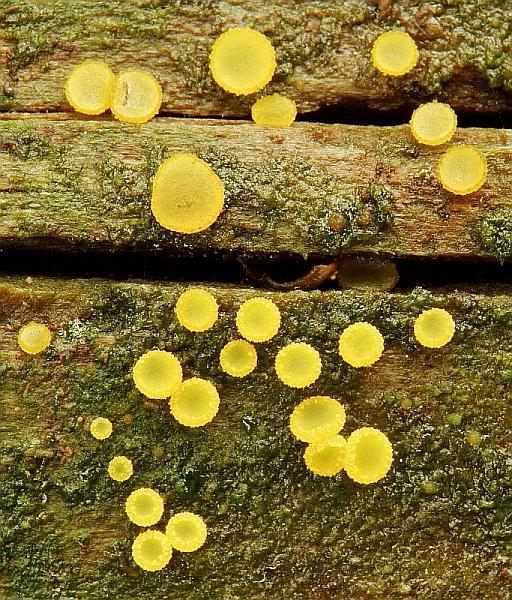
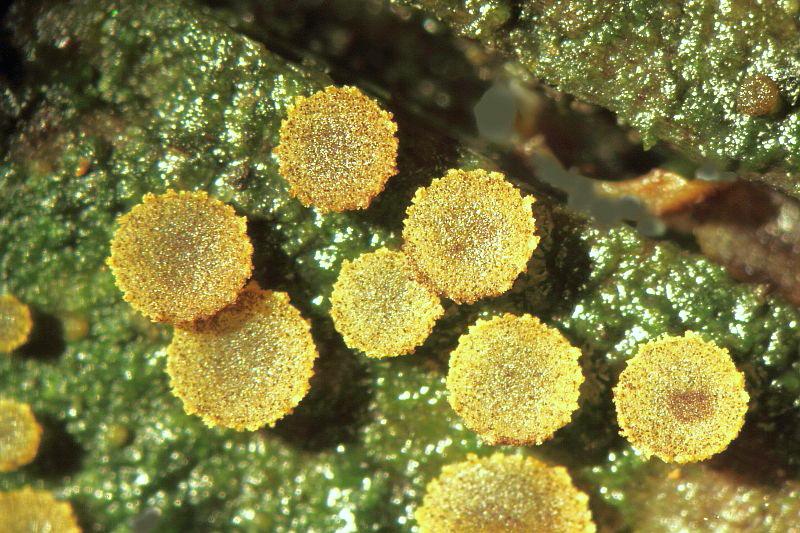
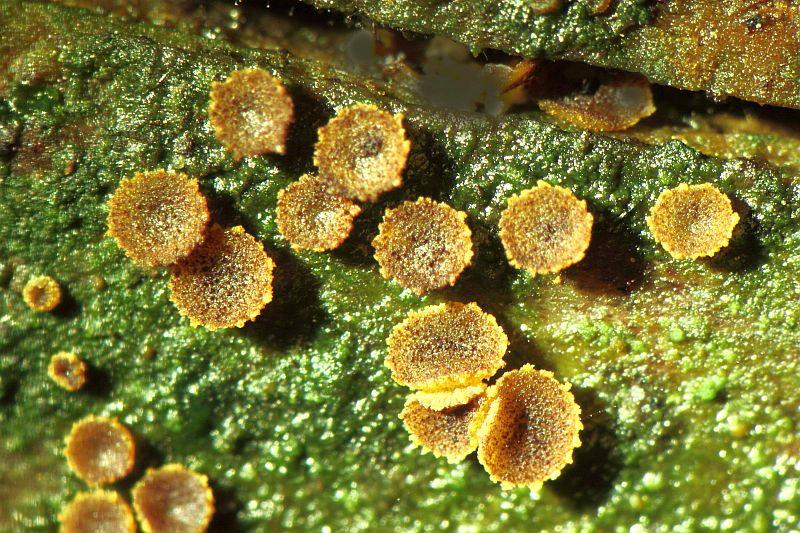
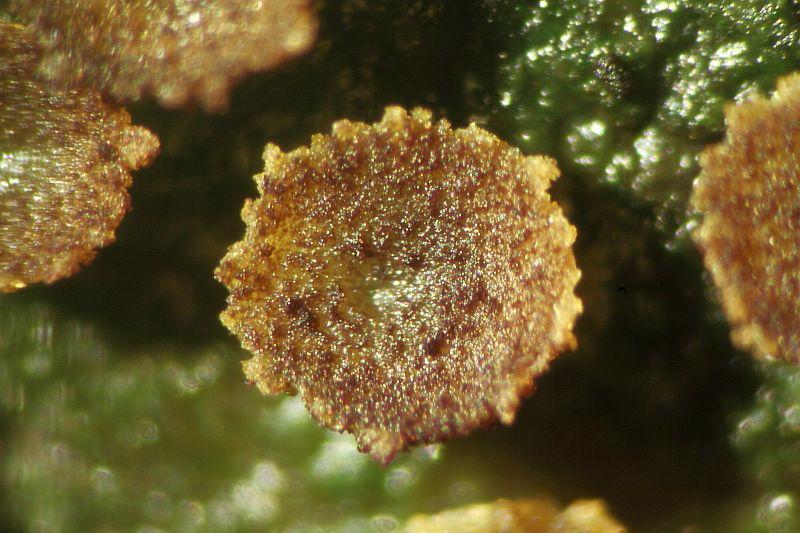
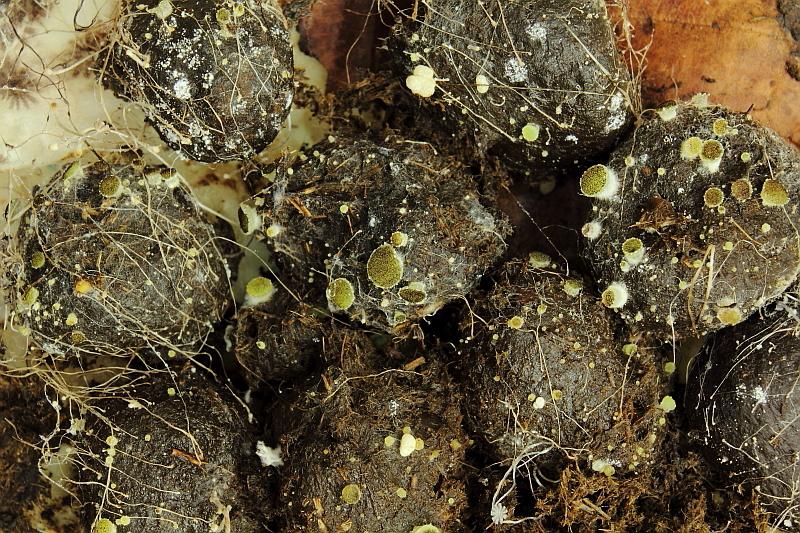
Thank you very much for the beautiful pictures!
For me it's the first species Ascobolus I see, so it's very nice to compare!