
28-03-2026 07:55
 Marc Detollenaere
Hello everybody,Yesterday I found a number of whit
26-03-2026 15:31
 Åke Widgren
Hello,I found this one in October last year, on r
27-03-2026 15:23
Gernot FriebesHi,this Trichopezizella deviates from typical T. b
25-03-2026 10:35
Hulda Caroline HolteHello,I collected this species growing on a dead b
27-03-2026 15:08
Gernot FriebesHi,I'm looking for help with this coelomycete on C
27-03-2026 10:47
Åge OterhalsI have tentatively identified this Stictis to S. f
24-03-2026 21:37
Elisabeth StöckliBonsoir,Sur bois (tronc) très pourri de conifère


25-03-2026 22:23
Marc Detollenaere
Dear Forum,On a debarked stem of Tilia, we found s
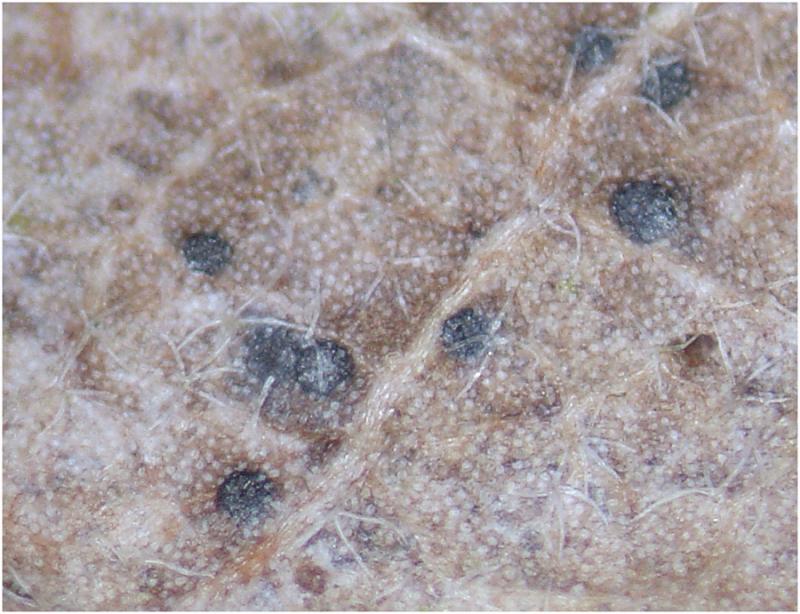
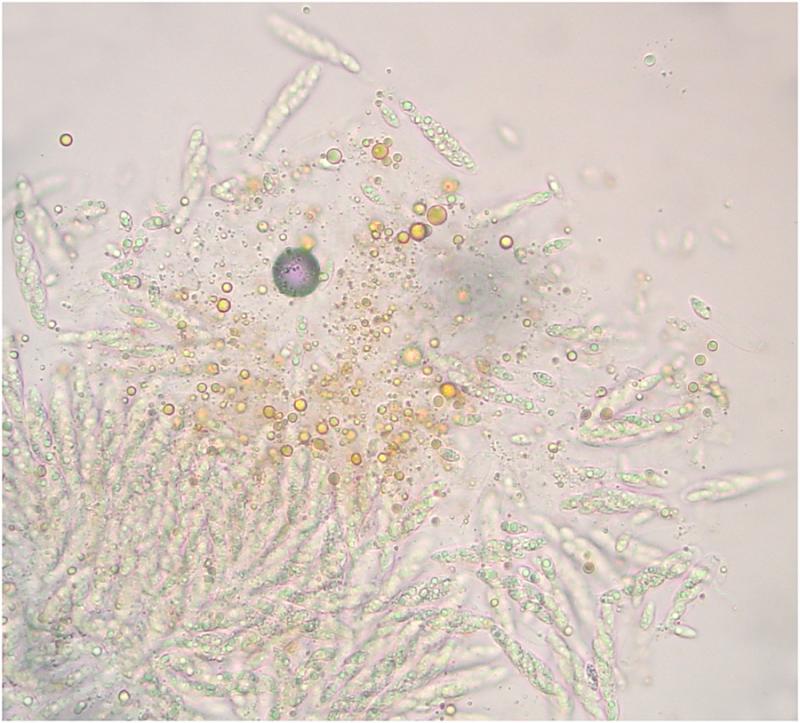
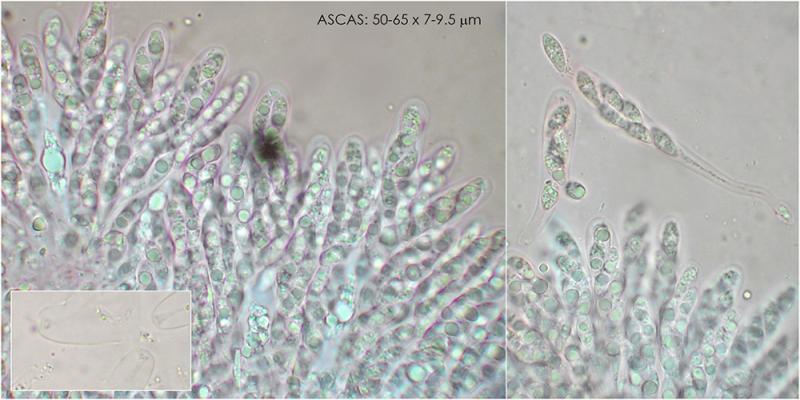
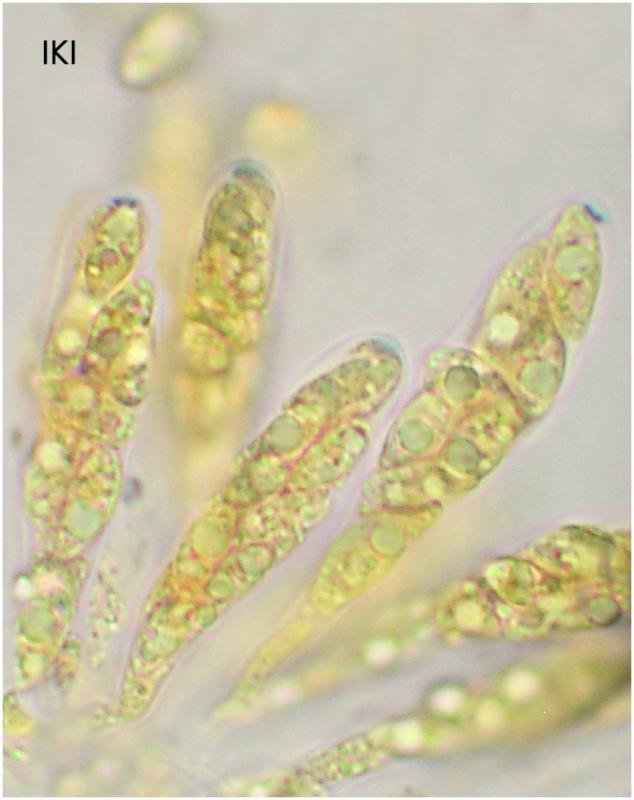

Hi Susana,
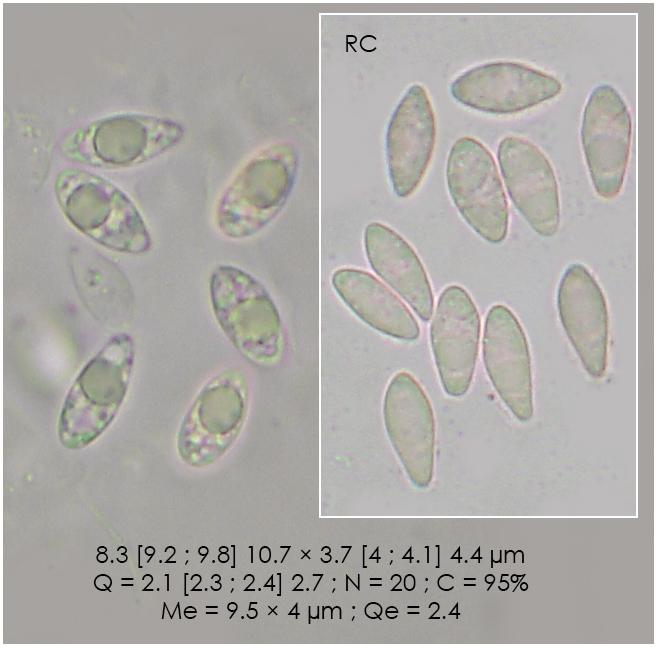
Immature Gnomoniaceae, probably. But it would be good to check it in a few weeks. Because quercicolous Gnomoniaceae with aseptate ascospores are not present in Europe (no Gnomoniella known, for example). Shape is not really ellipsoidal, we can think at the genus Dicarpella widespread in North America. By the way; which species of Quercus is it ?
Best wishes,
Alain

I had a chance to examine european collection on leaves from the Canarias, in 2008. So, Dicarpella fits there in ecology. Also Clypeoporthella , in spite on stems, looks similar as there is black stroma. You must see at a later stage if there are beaks formed in the ascomata.
Regards,
Dimitar
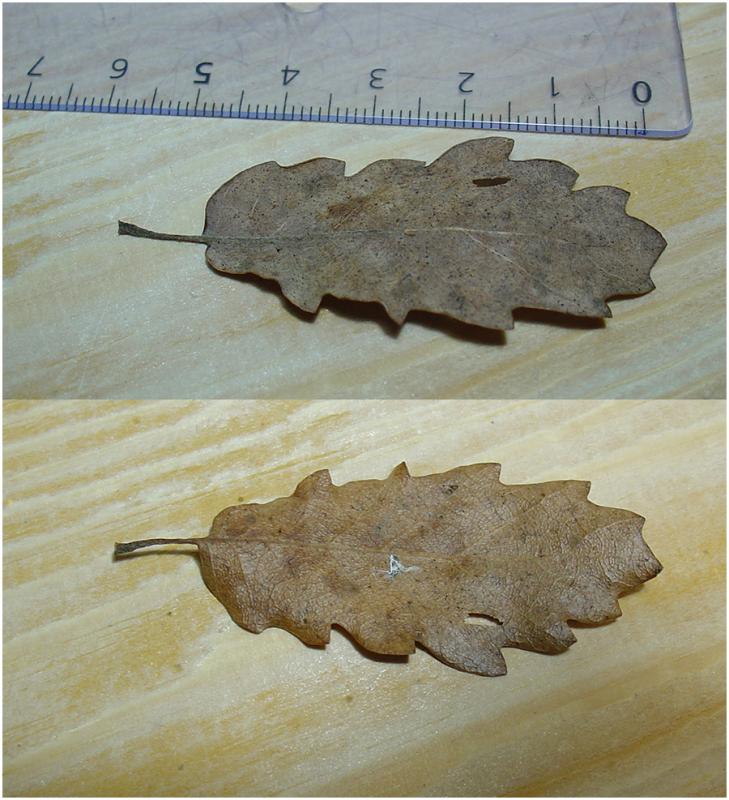
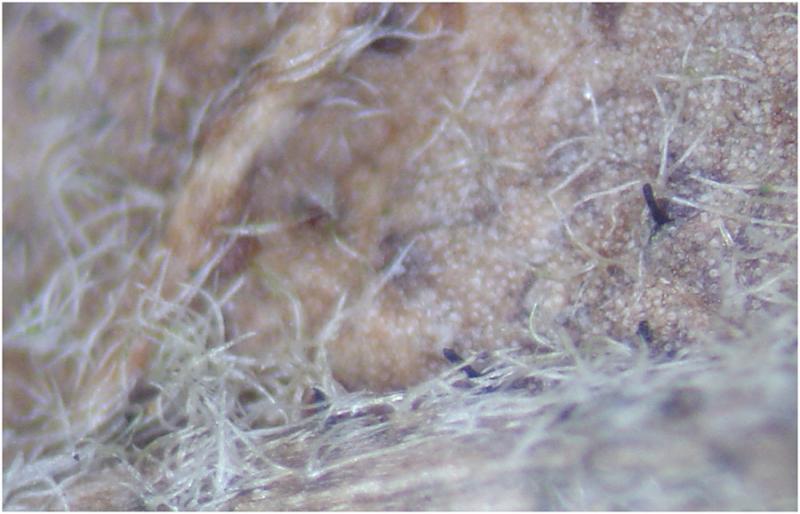
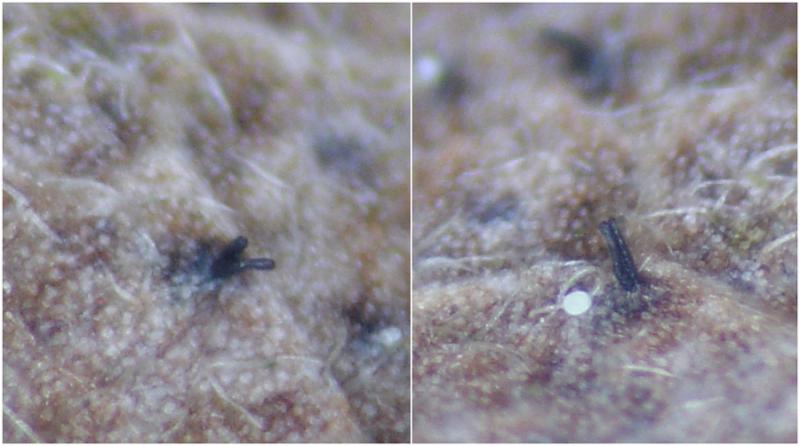
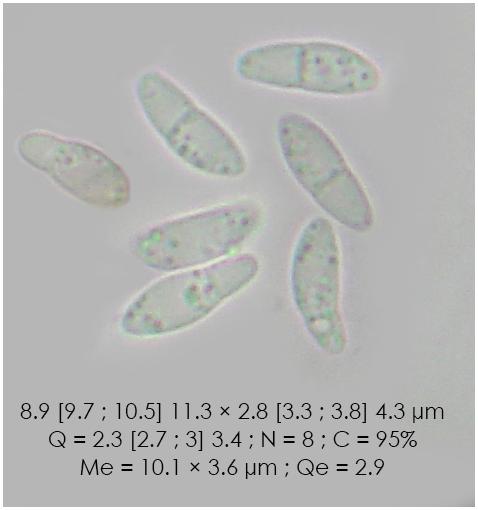
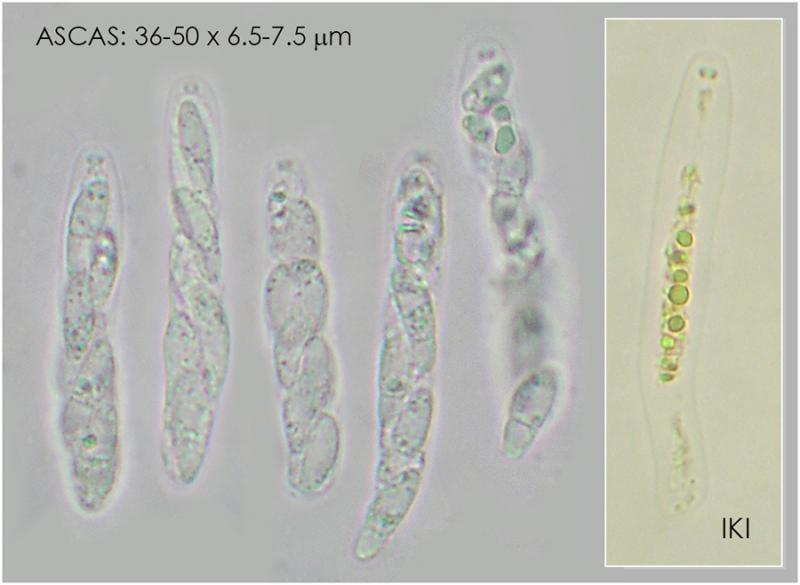
Better state, and better suggestion.
Again, this Gnomniopsis is not known in Europe, so.... I can't help you more.
Alain