26-03-2026 15:31
 Åke Widgren
Hello,I found this one in October last year, on r
27-03-2026 15:23
Gernot FriebesHi,this Trichopezizella deviates from typical T. b
25-03-2026 10:35
Hulda Caroline HolteHello,I collected this species growing on a dead b
27-03-2026 15:08
Gernot FriebesHi,I'm looking for help with this coelomycete on C
27-03-2026 10:47
Åge OterhalsI have tentatively identified this Stictis to S. f
24-03-2026 21:37
Elisabeth StöckliBonsoir,Sur bois (tronc) très pourri de conifère


25-03-2026 22:23
 Marc Detollenaere
Dear Forum,On a debarked stem of Tilia, we found s
24-03-2026 15:44
Åge OterhalsI hope someone can confirm the name of this collec
On 26 February 2020, I found some conidioma on a mouse dropping (< 7 mm).
The colour changed day by day from white to bright yellow to greenish yellow.
I am not familiar with fungi in an anamorphic state.
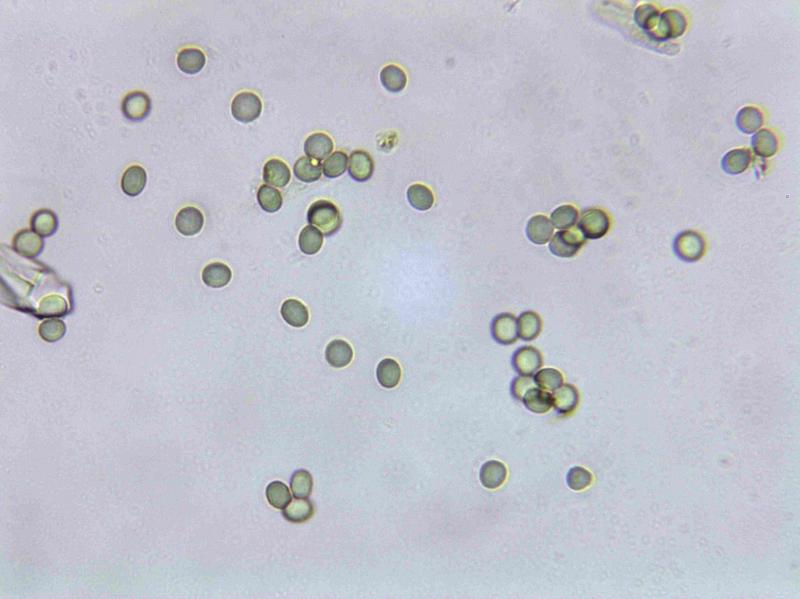
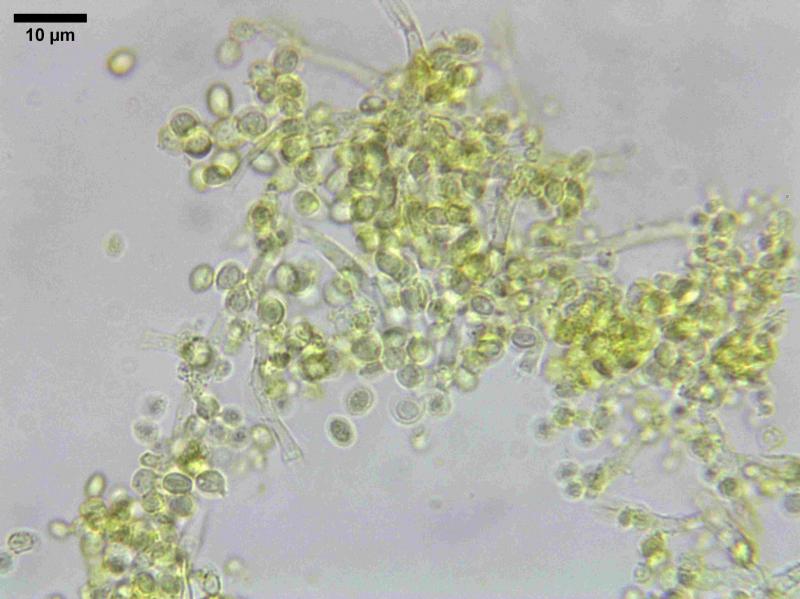
Is this called a synnema? The conidia are globose/ovate and measure 3.4-4.2 x 2.4-3.2 µm.
I would like your help to identify them.
Thank you very much in advance,
François Bartholomeeusen
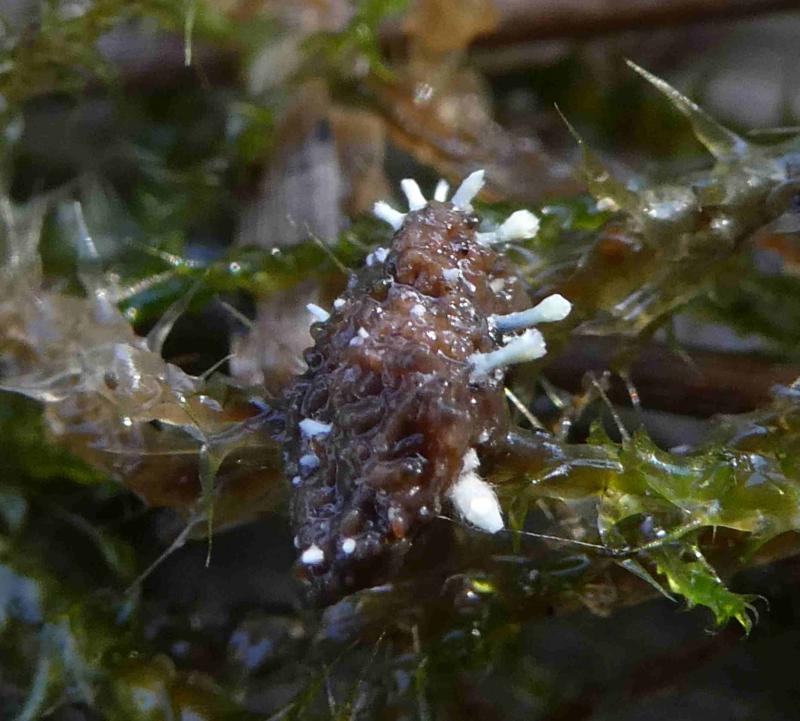
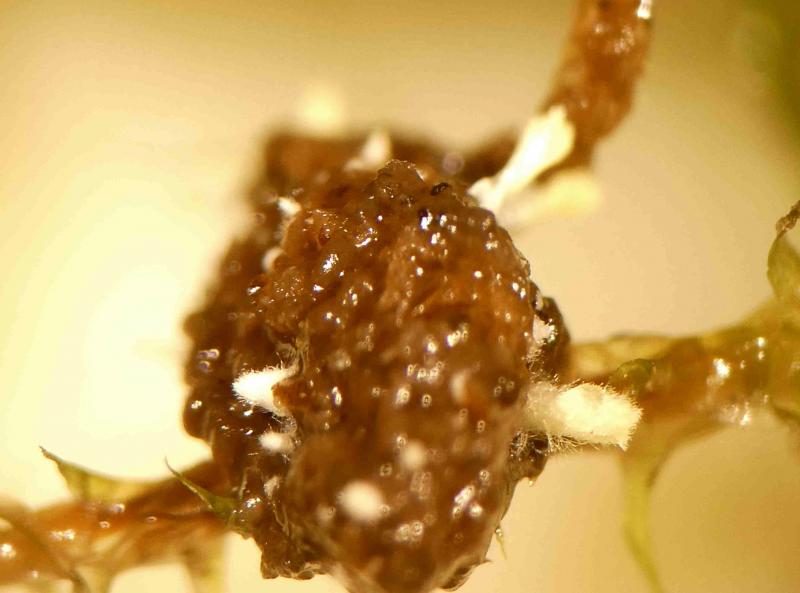
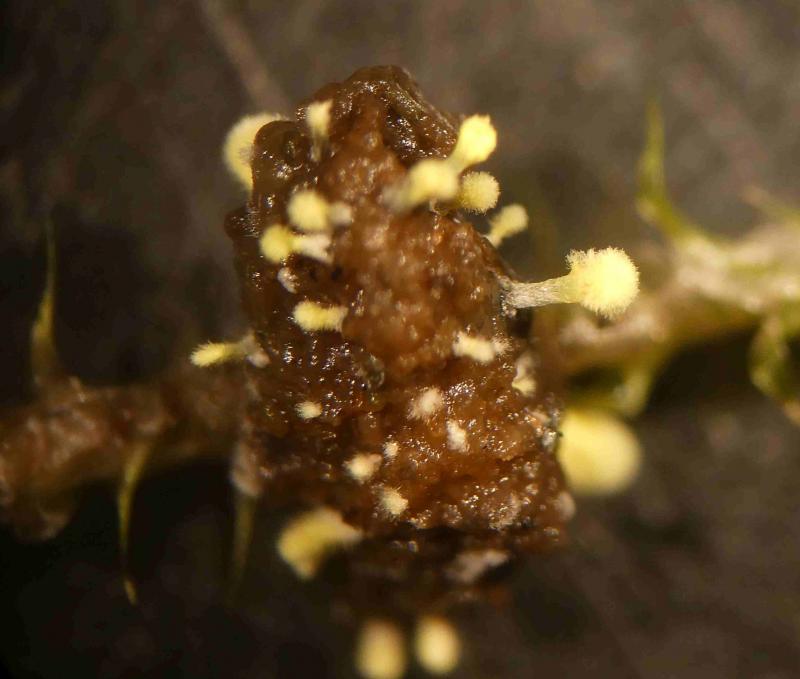
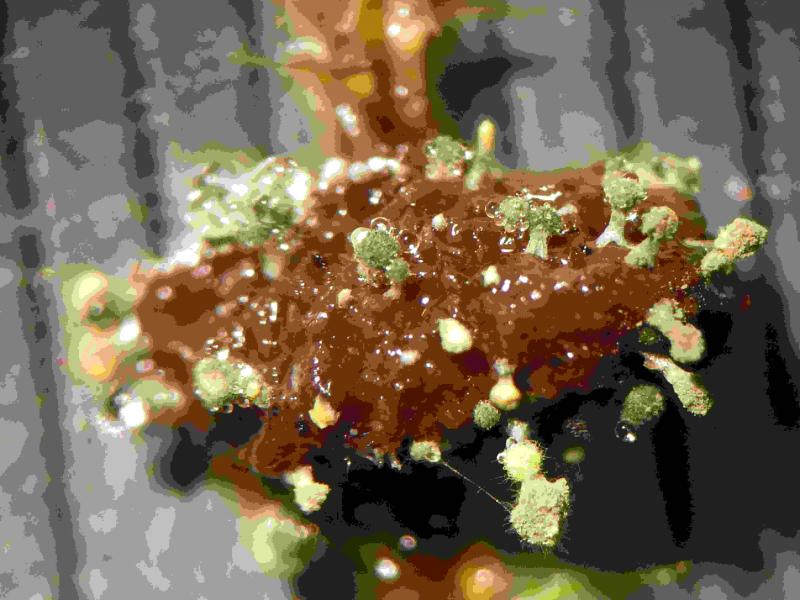
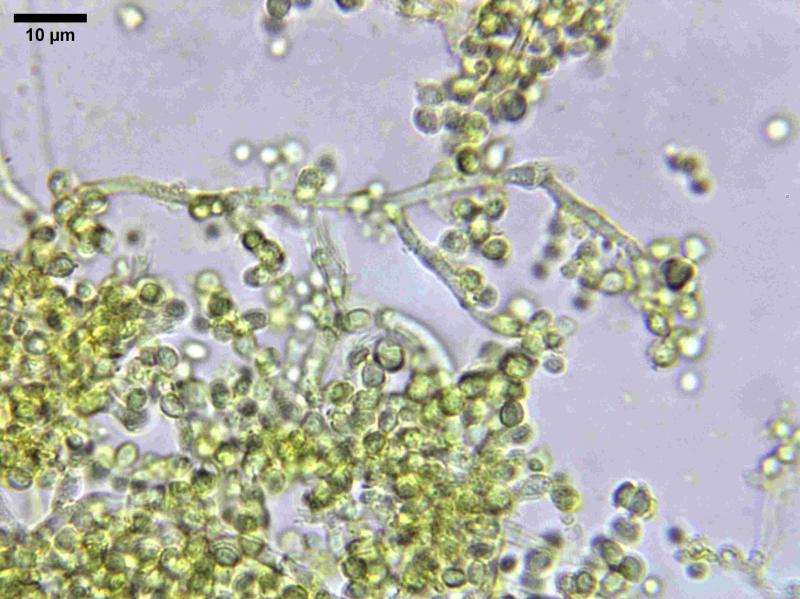
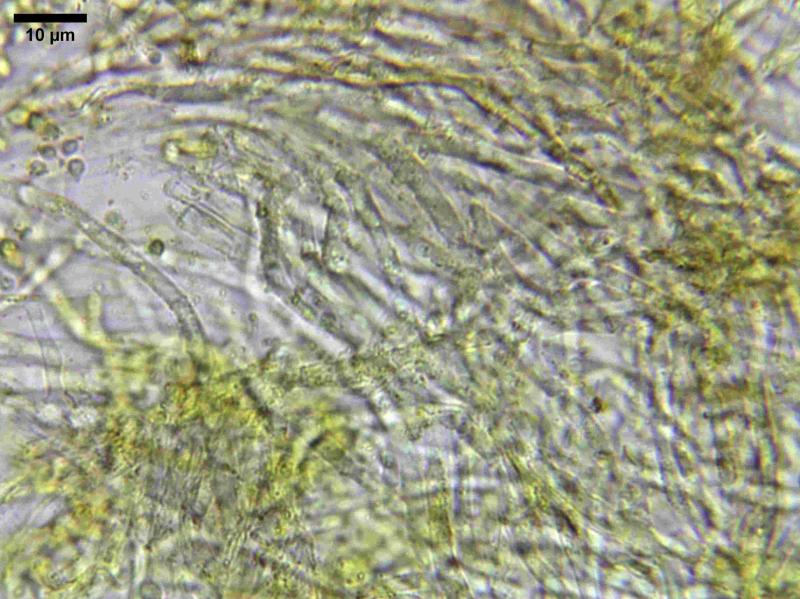

Thank you for your reply. I thought P. vulpinus was host-specific. I forgot to mention that the synnemata were smaller than 2 mm. Probably dung is dung!
Kind regards,
François
Thank you for your suggestion! I am sorry to say that I have neither the knowledge nor the equipment to set up a pure culture. I have tried reading Houbraken et al 2016 and taking into account "mouse dung" there are 5 candidates in the section Robsamsonia: P. coprophilum, P. coprobium, concentricum, P. glandicola and P. vulpinum.
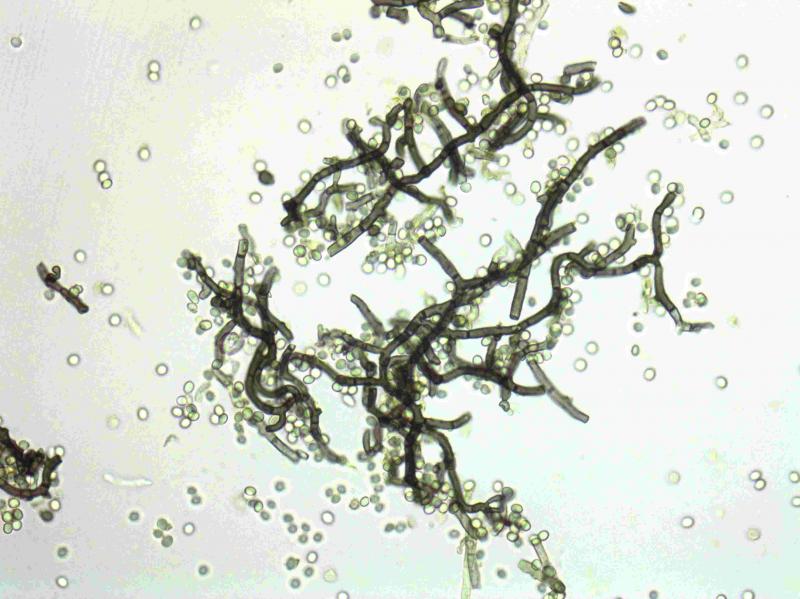
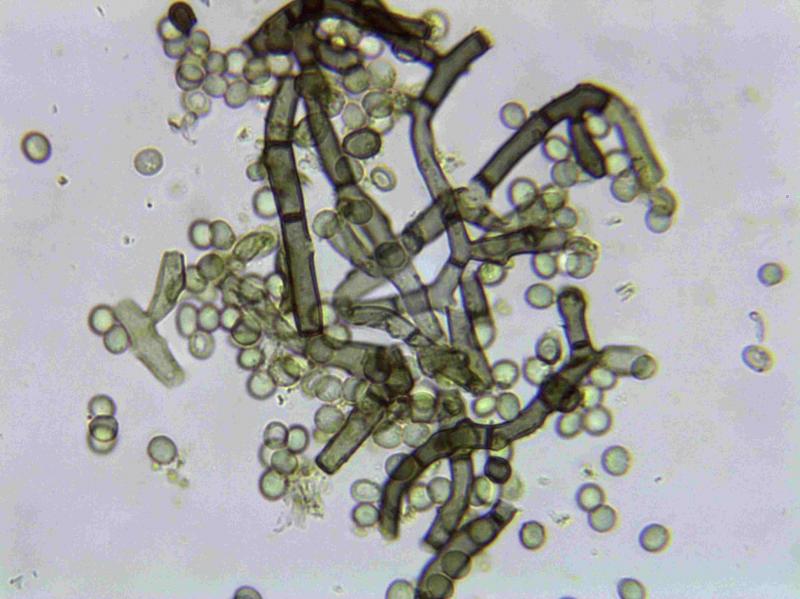
A final microscopy attempt did not provide a clear picture of the synnemata's structure (attached some photos).
I classify this find as Penicillium spec.
Thanks again and best regards,
François