
24-03-2026 21:37
Elisabeth StöckliBonsoir,Sur bois (tronc) très pourri de conifère
25-03-2026 10:35
Hulda Caroline HolteHello,I collected this species growing on a dead b
26-03-2026 15:31
 Åke Widgren
Hello,I found this one in October last year, on r


25-03-2026 22:23
 Marc Detollenaere
Dear Forum,On a debarked stem of Tilia, we found s
24-03-2026 15:44
Åge OterhalsI hope someone can confirm the name of this collec
25-03-2026 20:53
François BartholomeeusenDear forum members,On 23 March 2026, I found sever
23-03-2026 20:16
 Miguel Ángel Ribes
Good eveningI'm unable to identify this Coprotus o
25-03-2026 15:06
 Bernard CLESSE
Bonjour à toutes et tous,Pourriez-vous me confirm
Hi.
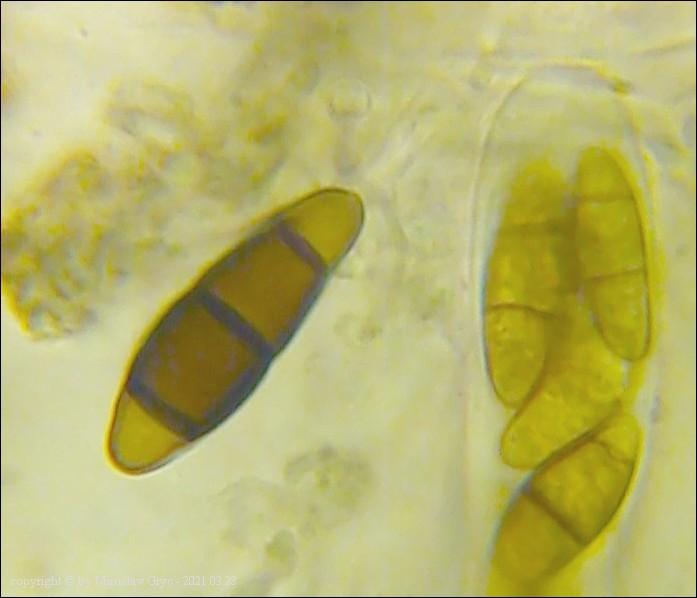
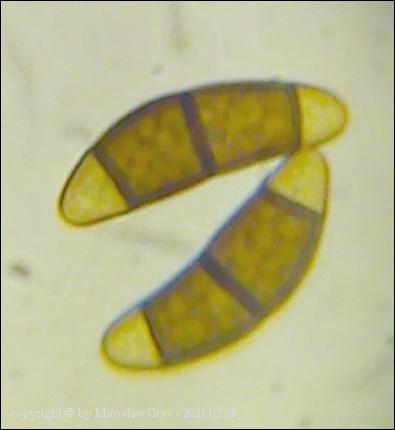
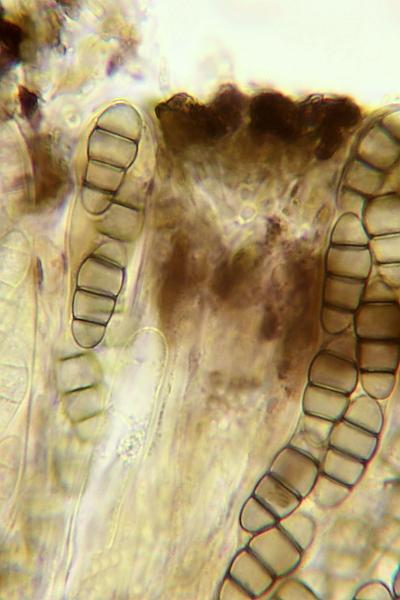
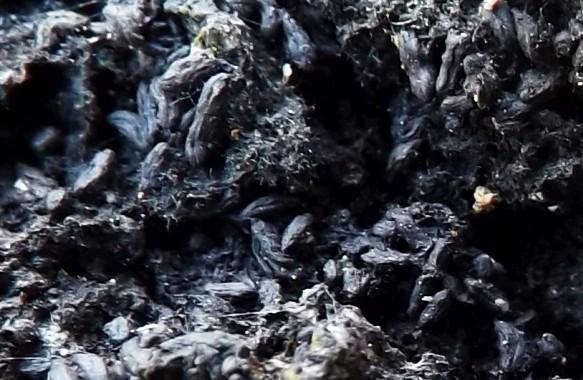
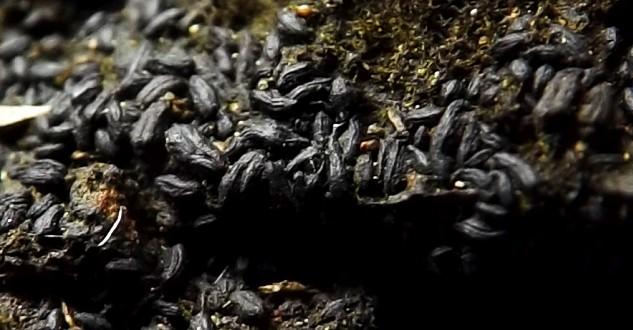
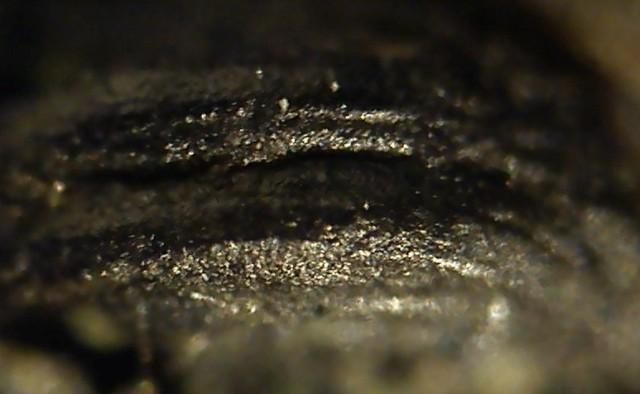
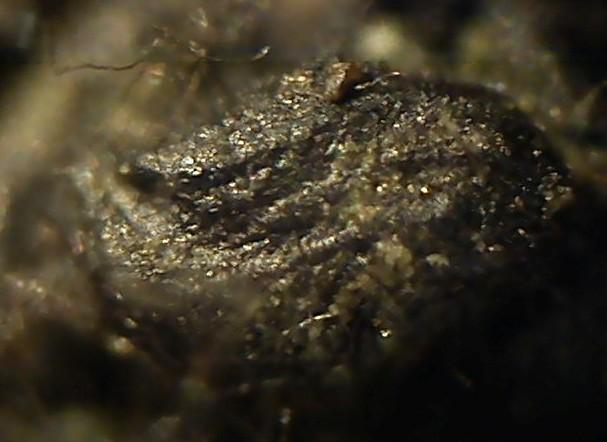
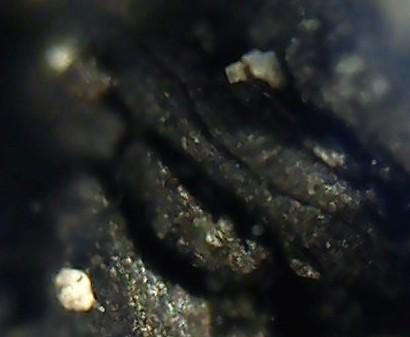
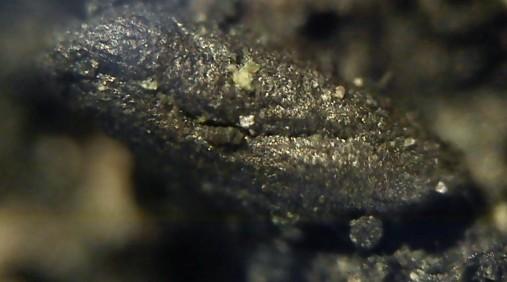
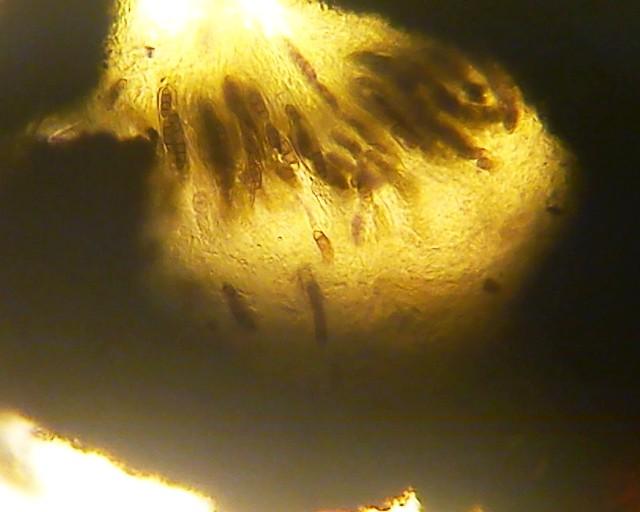
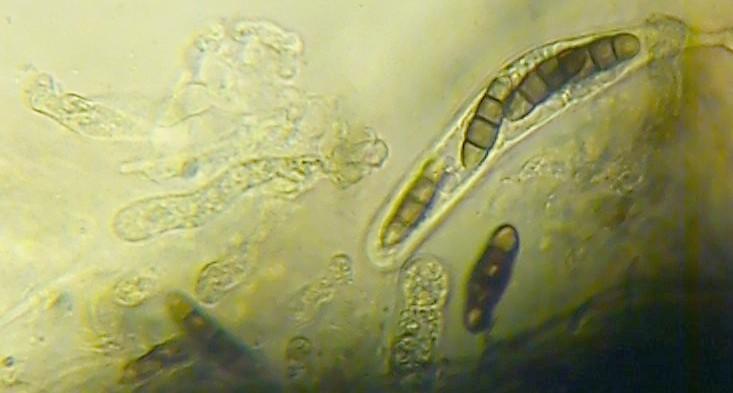
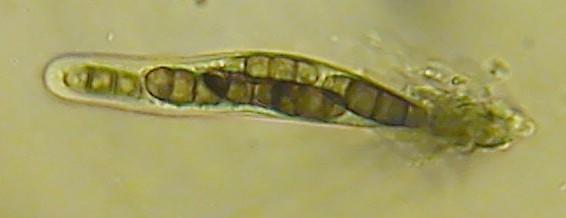
Initially, I marked this collection as a Hysterium pulicare, but I do not have a certainty so I am asking for help.
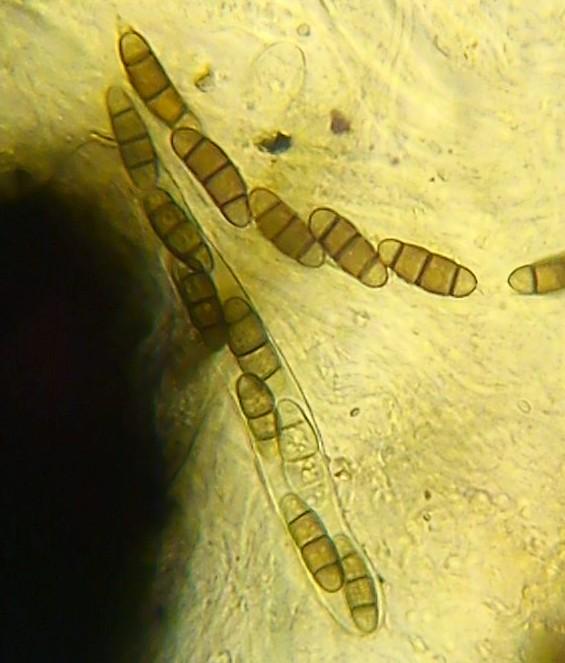
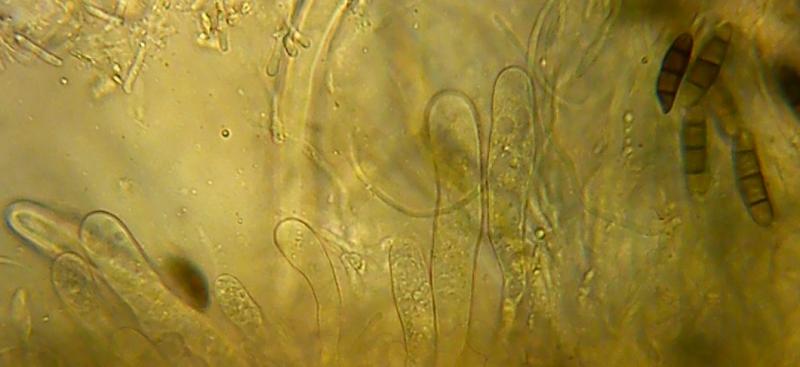
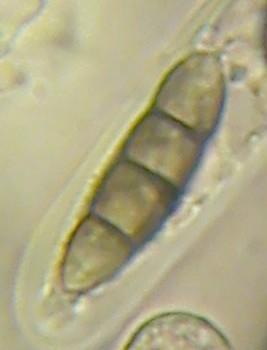
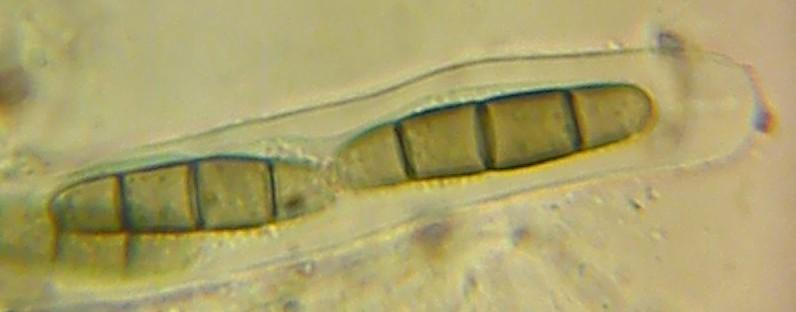
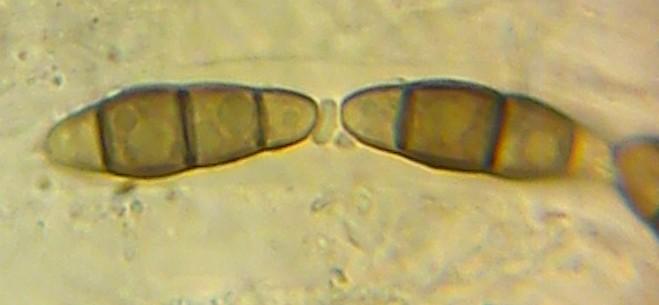
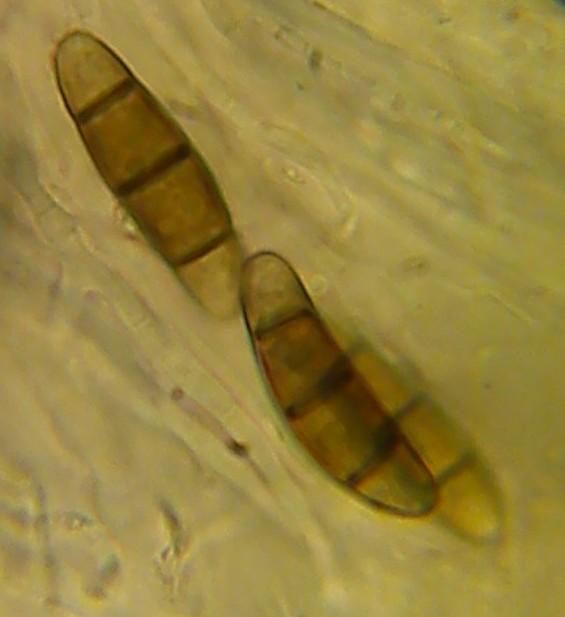
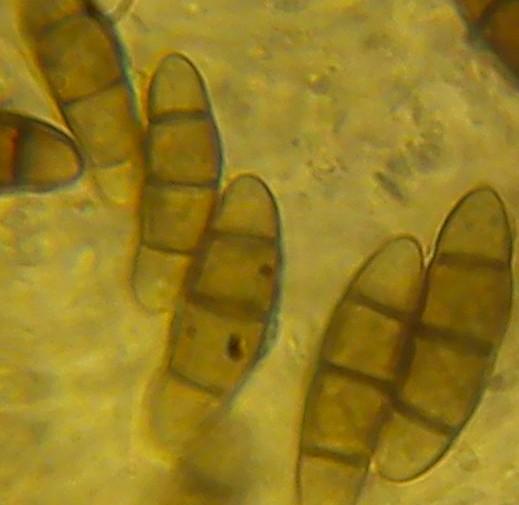
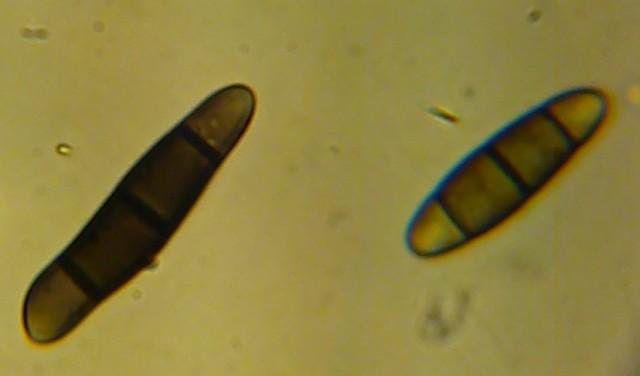
Spores:
(19.2) 21.8 - 25.9 (27.3) × (6.9) 7 - 7.7 (8.2) µm
Q = (2.8) 3.1 - 3.3 (3.6); N = 7
Me = 23.5 × 7.3 µm; Qe = 3.2
27.27 8.21
19.18 6.86
21.83 7.09
22.40 6.99
25.93 7.25
23.22 7.16
24.72 7.75
greetings
Mirek
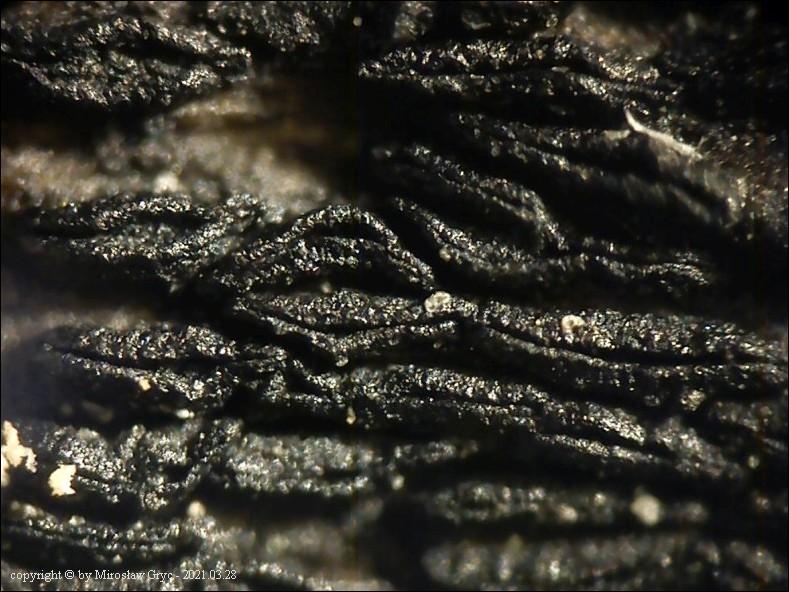
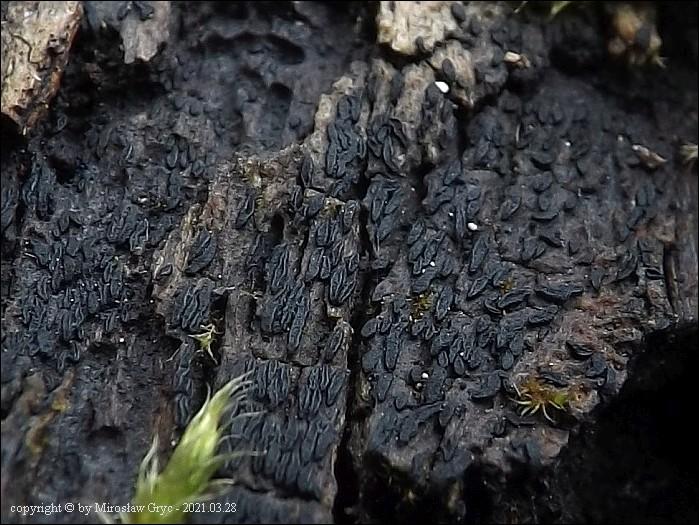
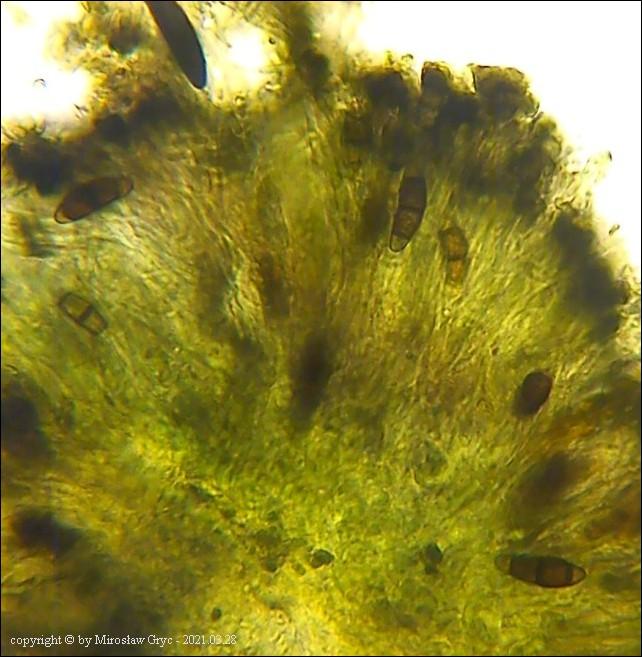
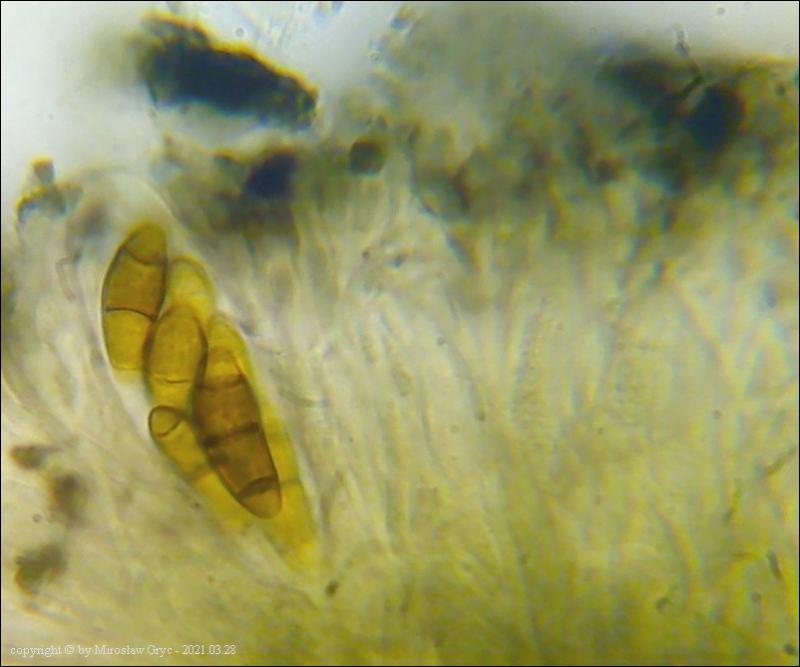

Mirek

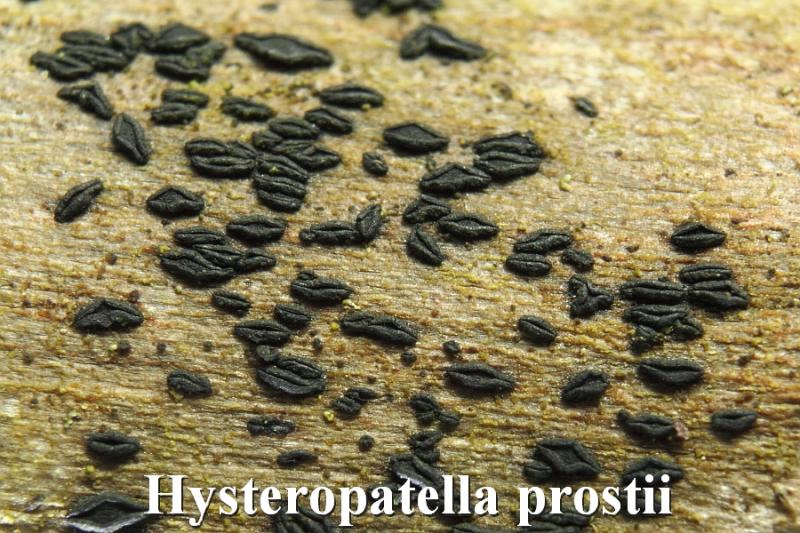
As I mentioned, initially I described this collection as a Hysterium pulicare due to the brighter colored ends of spores. However, I did not know anything about the existence of Hysteropatella elliptica. Yesterday, I found a bit of data about it and I had the impression that morphological features more match this species?
However, as Zotto said, he did not fit a substrate.
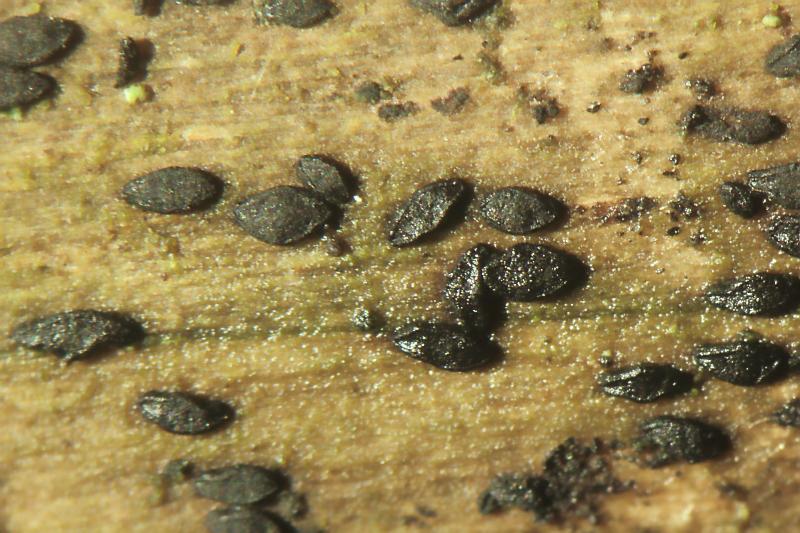
Yes, it's definitely Betula (I place a more general photo).
I have one more similar collection also gathered from Betula but I have not yet explored her. However, these grew on the bark, I will post later.
greetings
Mirek
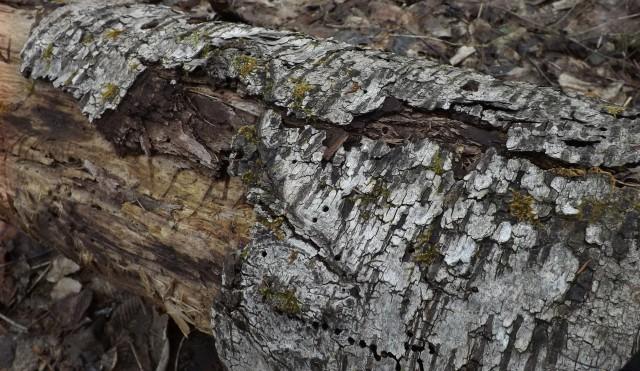
Do you mean that this is not Betula?
I can only add that the picture is actually not the best. It was made with very cloudy weather. In any case, the bark was white, definitely whiter than in the picture.
Mirek

Hi friends,
First, thanks to Mirek.
In 2011, I collected one fungus on Betula, kept in herbarium under the name Hysterium sp. cf pulicare. There were many hysterothecia, densely packed against each other, and if I well remember, elongated, not like H. pulicare that is morphological variable. It was observed on decorticated wood, next to, and under the bark, like Mirek's ones.
I can look at it again, if necessary. Microscopy was like Mirek's one.
Alain
Hi Zotto,
I will check it, Keep in touch, please.
Alain
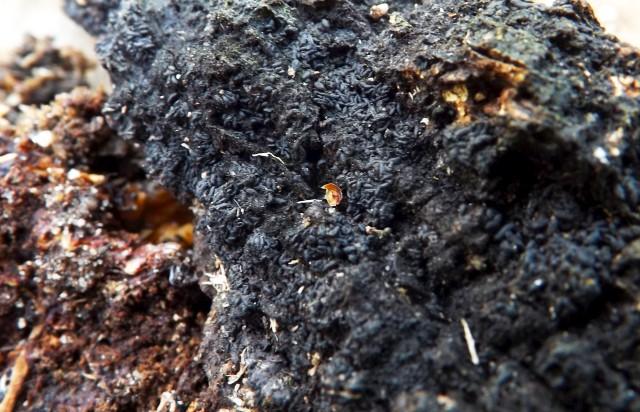
Ascomata grew on a birch bark, on a trunk after a cut tree.
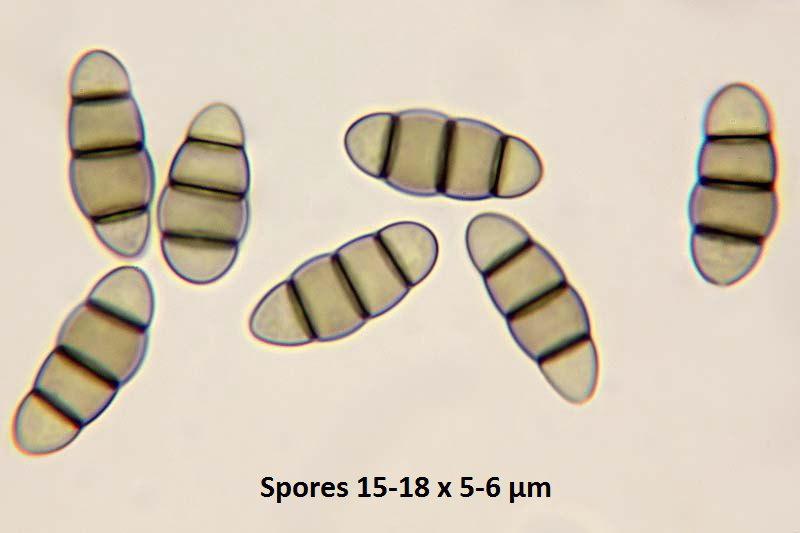
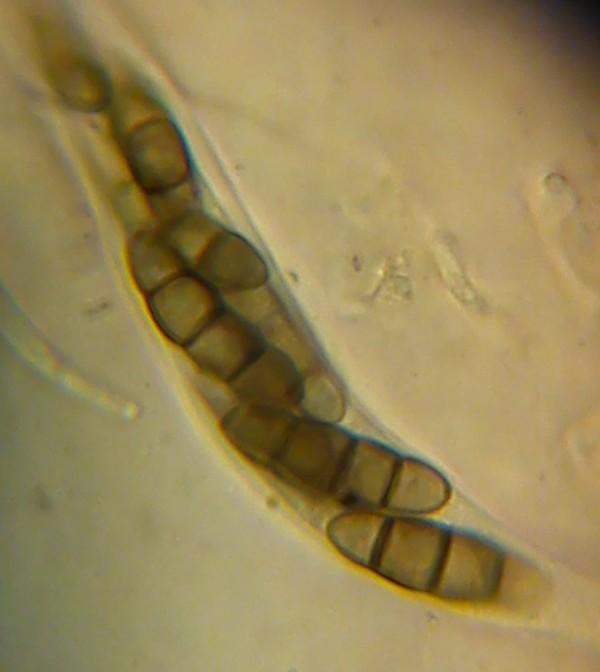
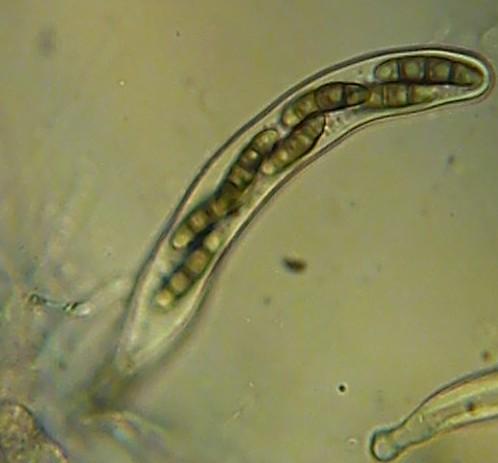
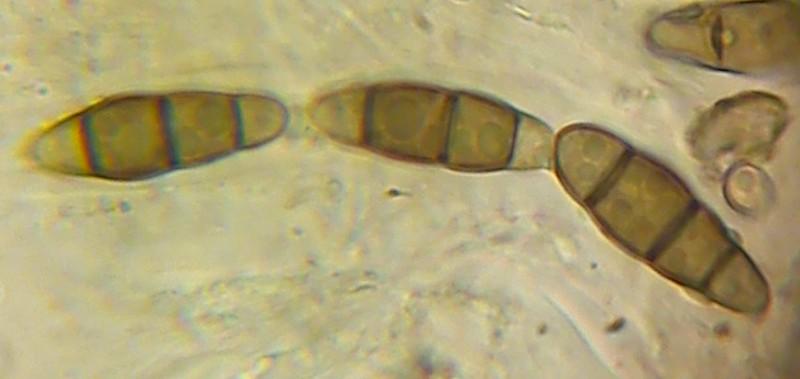
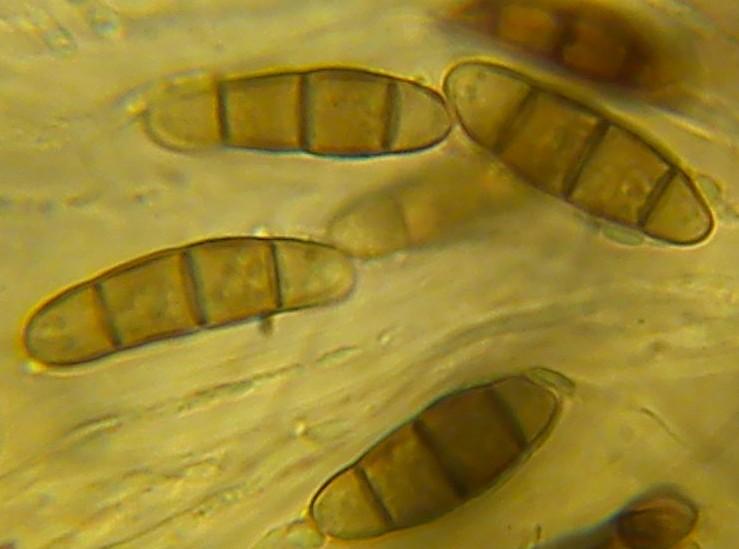
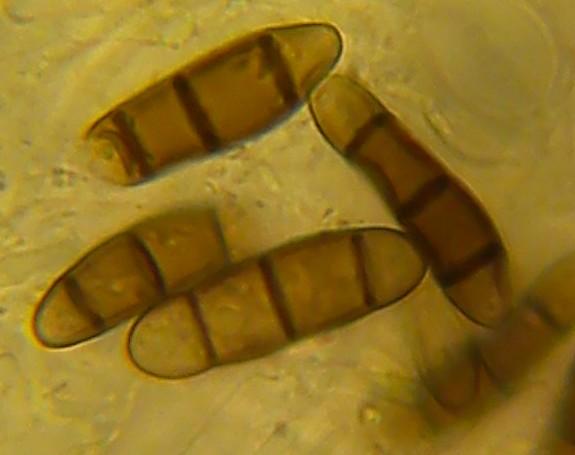
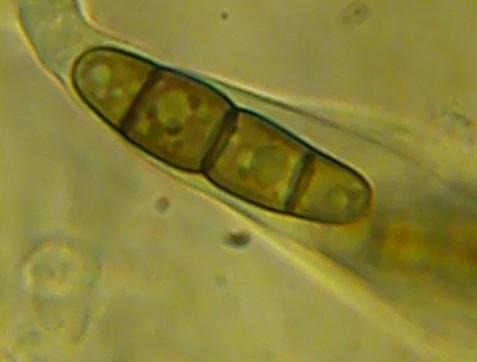
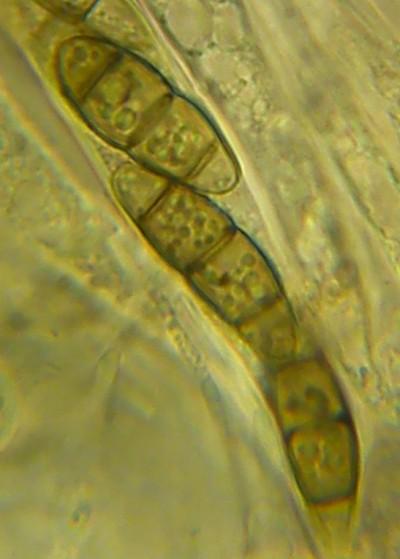
I place more photos of spores showing their various.
Their dimensions:
(18.6) 21.2 - 24.4 (24.8) × (5.2) 6 - 6.9 (7.5) ?m
Q = (2.9) 3.2 - 3.8 (4); N = 15
Me = 22.6 × 6.4 ?m; QE = 3.5
24.36 6.06
21.17 5.24
21.55 6.57
22.74 6.03
22.58 6.34
18.64 5.78
23.21 7.48
23.07 6.94
21/06 7.15
24.79 6.58
22.99 6.41
22.75 6.79
22.27 6.43
23.28 6.07
24.45 6.85
Comments are welcome :)
greetings
Mirek
Mirek