
24-03-2026 21:37
Elisabeth StöckliBonsoir,Sur bois (tronc) très pourri de conifère
25-03-2026 10:35
Hulda Caroline HolteHello,I collected this species growing on a dead b
26-03-2026 15:31
 Åke Widgren
Hello,I found this one in October last year, on r


25-03-2026 22:23
 Marc Detollenaere
Dear Forum,On a debarked stem of Tilia, we found s
24-03-2026 15:44
Åge OterhalsI hope someone can confirm the name of this collec
25-03-2026 20:53
François BartholomeeusenDear forum members,On 23 March 2026, I found sever
23-03-2026 20:16
 Miguel Ángel Ribes
Good eveningI'm unable to identify this Coprotus o
25-03-2026 15:06
 Bernard CLESSE
Bonjour à toutes et tous,Pourriez-vous me confirm
Hymenoscyphus, Rutstroemia, Sclerotinia, Ciboria?
Ethan Crenson,
05-05-2021 23:14
Hello again,
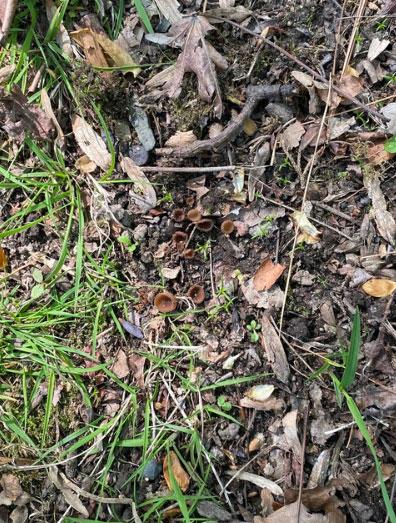
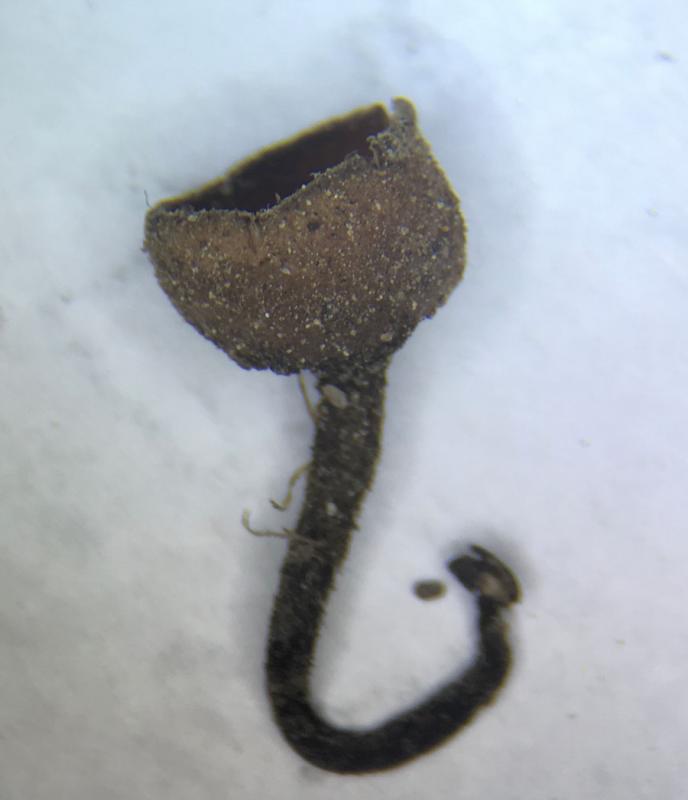
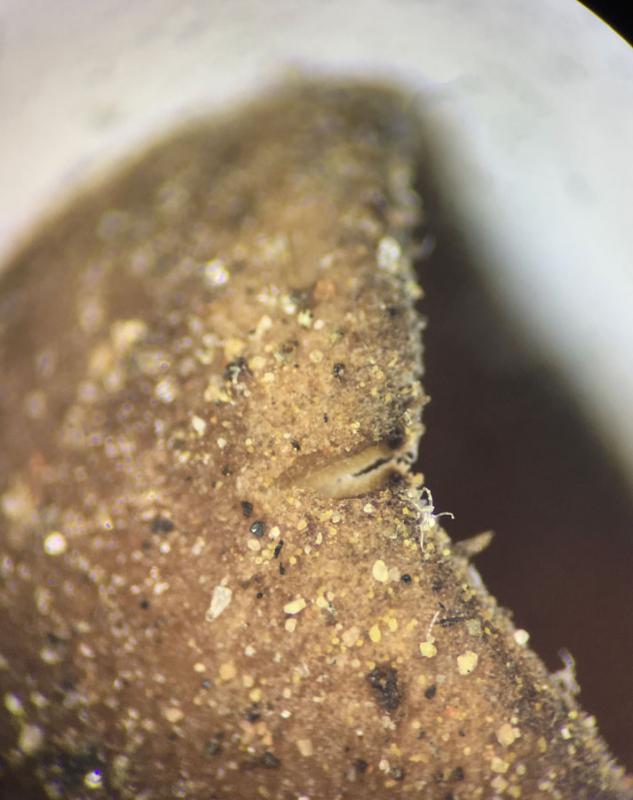
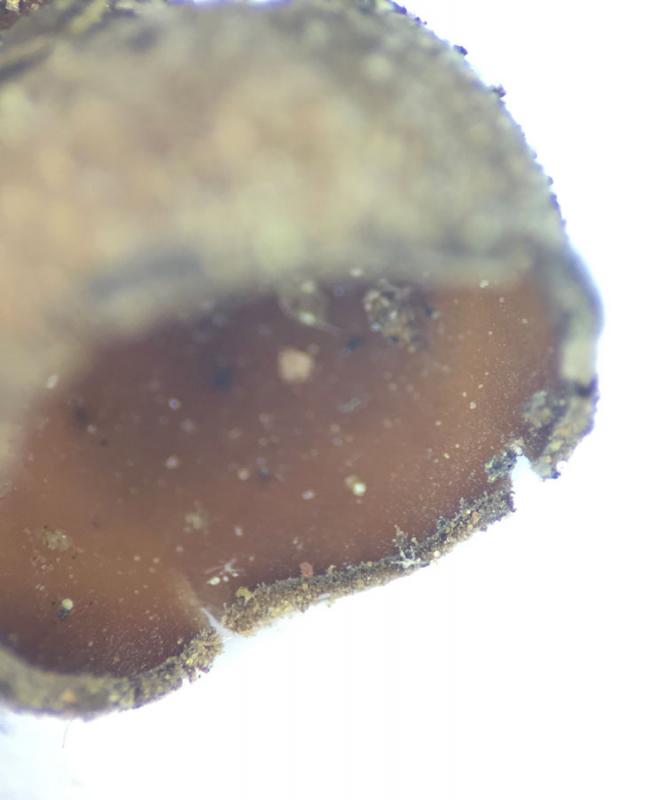
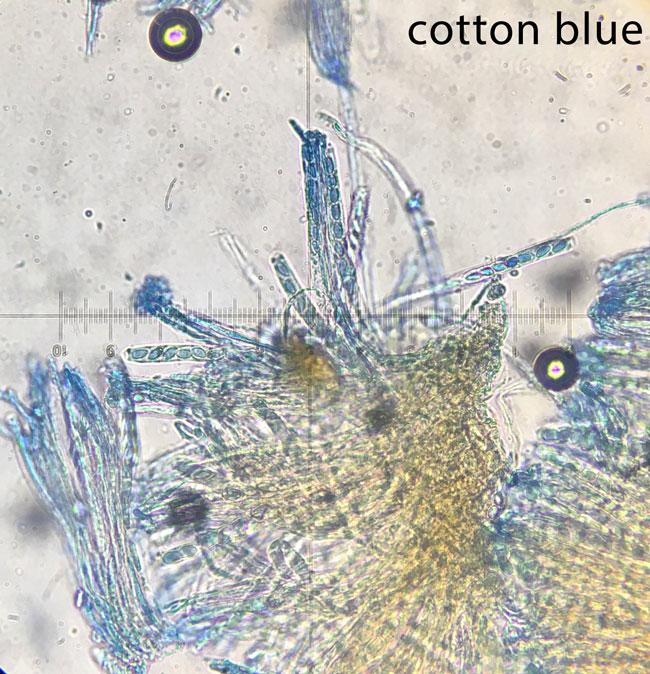
A friend of mine found these small cup fungi in a cemetery in NYC last weekend. They are just under 1cm in diameter and have quite a long, slender stipe. They appear to be fruiting from the soil. Another friend provided the microphotos and data. So this is what I have...
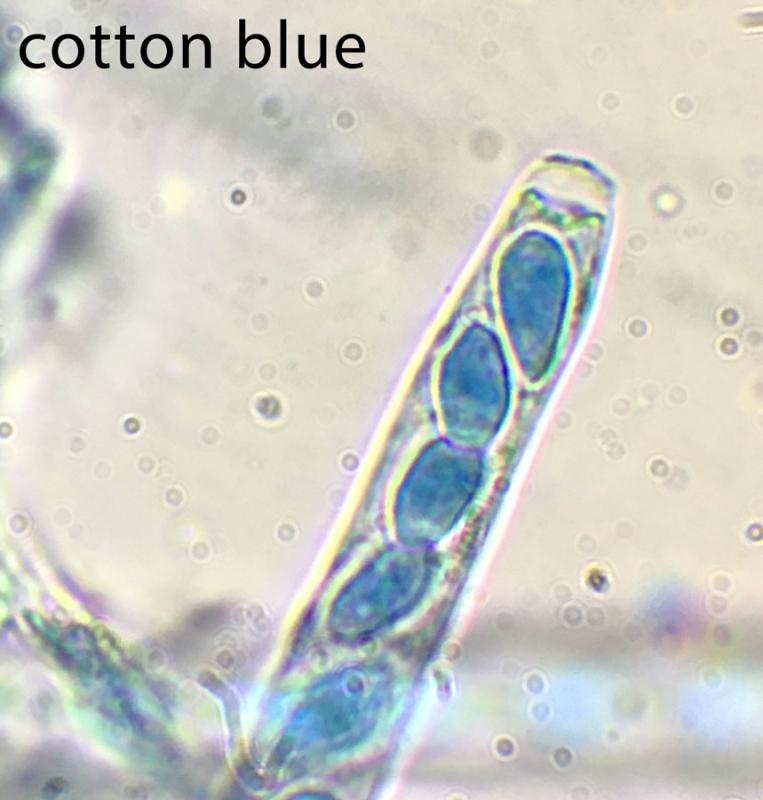
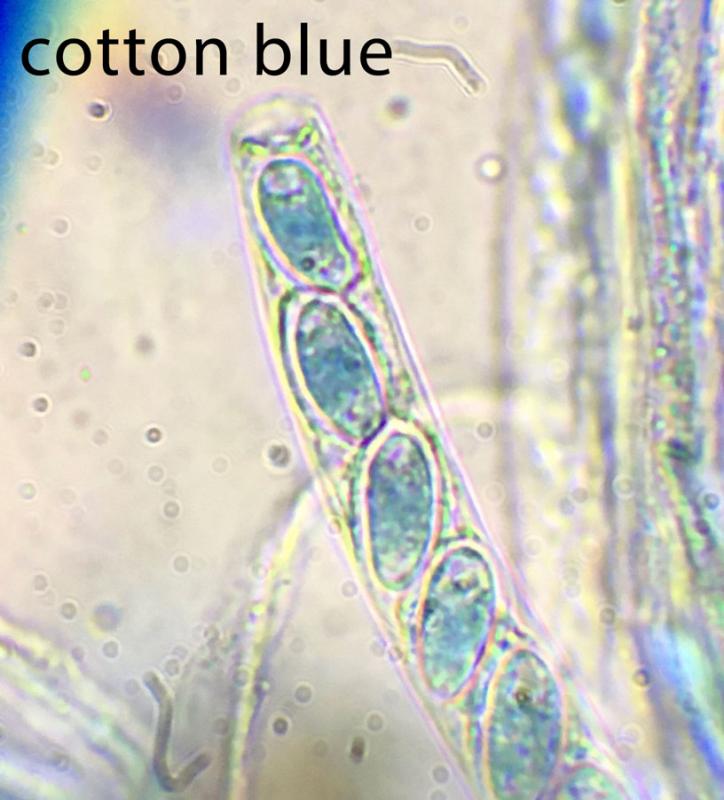
Long stipe (3x length of cap), asci up to 150m long.
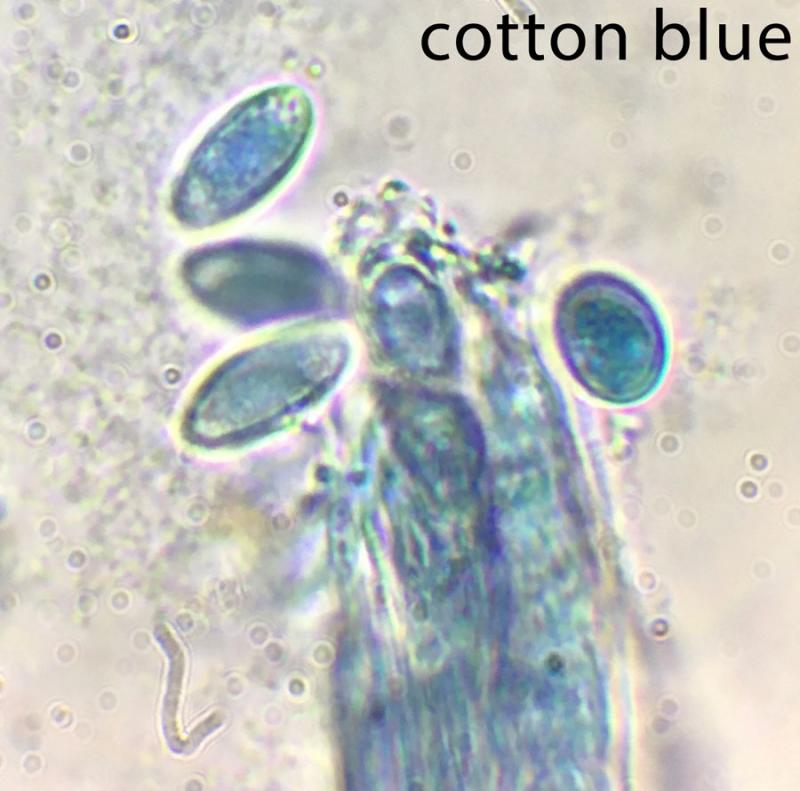
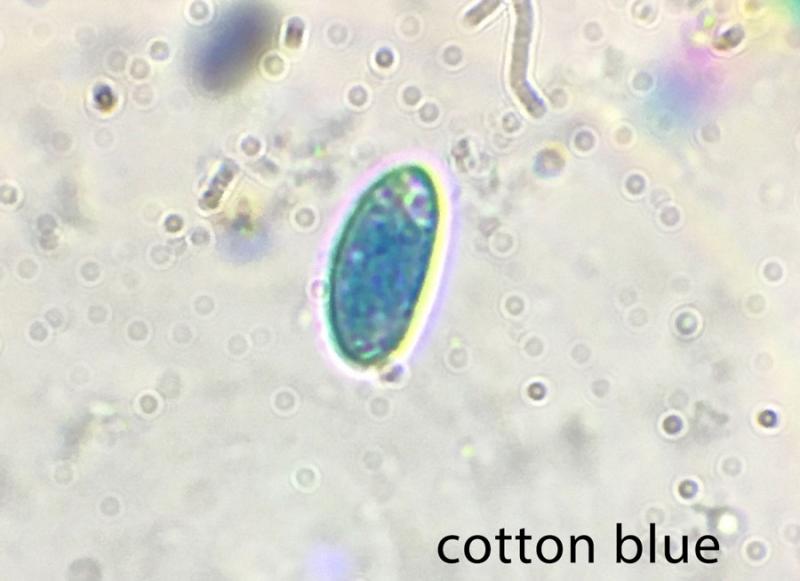
Spores in water
11.8 x 5.8µm
12.4 x 6.4µm
12.7 x 6.5µm
13.7 x 6.7µm
11.8 x 5.8µm
12.4 x 6.4µm
12.7 x 6.5µm
13.7 x 6.7µm
11-12 x 5-5.5µm (in cotton blue)
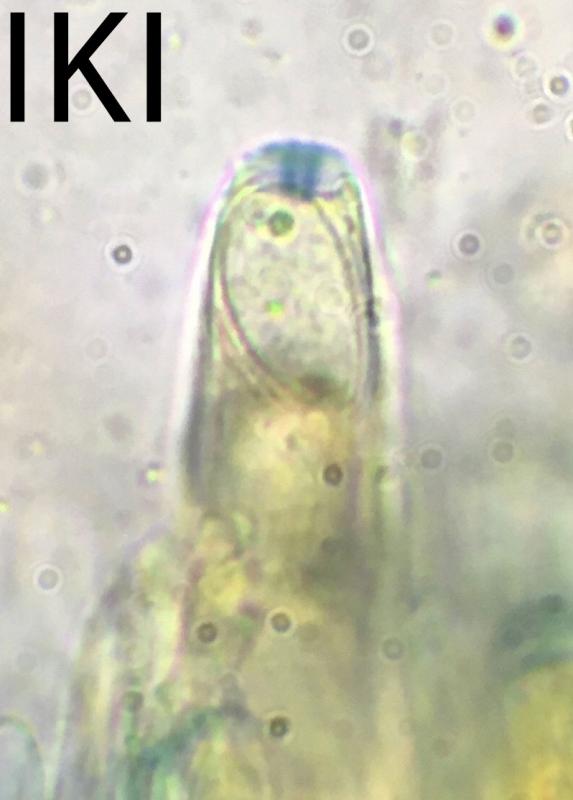
Ascus tips turn blue in Lugol's
Any ideas?
Thanks,
Ethan
Hans-Otto Baral,
06-05-2021 10:21

Re : Hymenoscyphus, Rutstroemia, Sclerotinia, Ciboria?
Well, this is of course a big sclerotiniaceous species. Important would be to dig out the base for a possible sclerotium. Was there any?
I suggest Sclerotinia (Dumontinia) tuberosa, but this would require living elements, particularly paraphysis and spore contents. The number of nuclei can be viewed in a water mount when spores are alive (they could still be!) under a rather closed aperture of the condensor, phase contrast etc.
Ethan Crenson,
06-05-2021 21:58
Re : Hymenoscyphus, Rutstroemia, Sclerotinia, Ciboria?
Thank you! I don't have this in my possession, but I will find out if there are living spores and if there are, how many nuclei are present. Very exciting! Sclerotinia sp. would be new for New York City.
Ethan Crenson,
09-05-2021 17:50
Re : Hymenoscyphus, Rutstroemia, Sclerotinia, Ciboria?
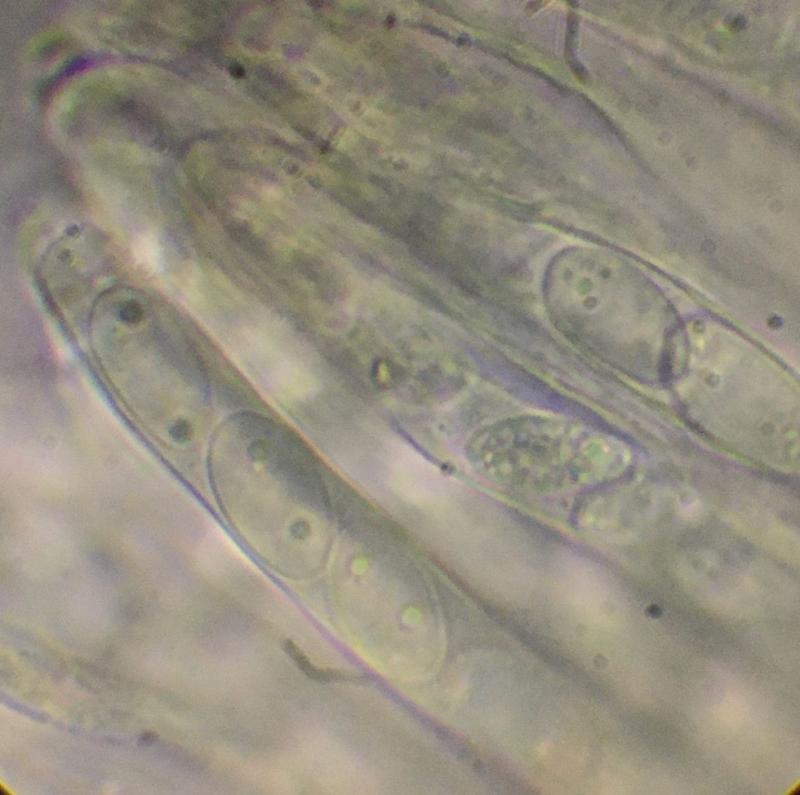
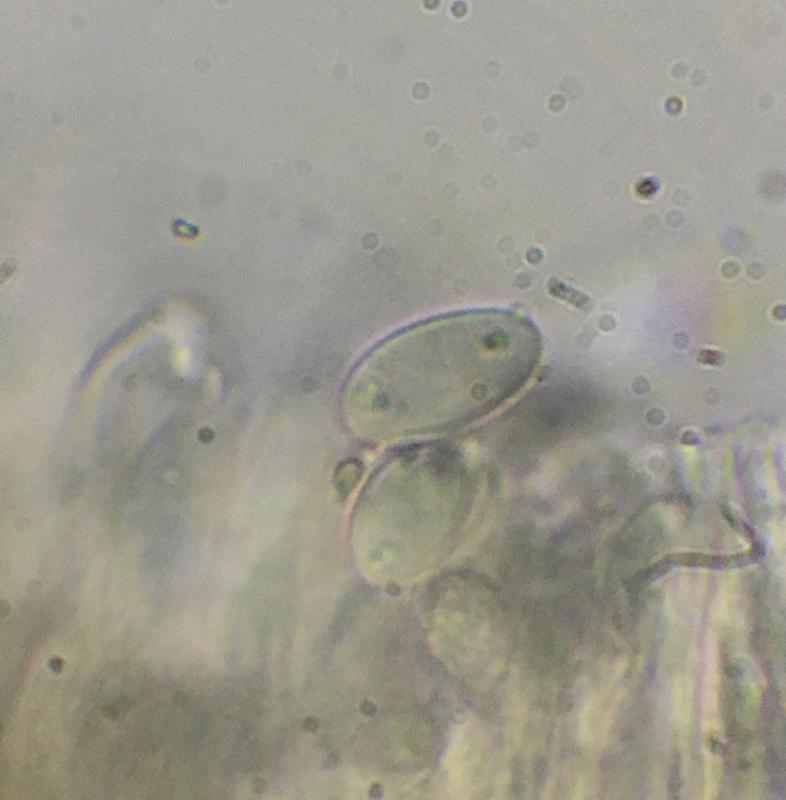
Zotto, I have just received two photos which I think show living spores with two nuclei...
Hans-Otto Baral,
09-05-2021 21:09
Re : Hymenoscyphus, Rutstroemia, Sclerotinia, Ciboria?
This looks much better but I think you went on the tracks of the very old researchers who mistook oil drops for nuclei :-)
The oil drops are important for identification indeed. They are a bit latrge but still too small for Stromatinia rapulum I think, another candidate. So there is no chance to know if the stipe emerges from a conspicuous sclerotium?
Ethan Crenson,
09-05-2021 21:24
Re : Hymenoscyphus, Rutstroemia, Sclerotinia, Ciboria?
Yes, I guess so! I don't think I have ever located nuclei in a spore. I'm not sure how it's done. There were only two fruiting bodies collected and without digging into the substrate. I'm hoping this will turn up again in a conspicuous location.
Mirek Gryc,
10-05-2021 09:45
Re : Hymenoscyphus, Rutstroemia, Sclerotinia, Ciboria?
Hi
I do not know if Zotto shares my opinion but at Dumontia, the nucleus in the spores are very poorly visible.
It seems to me that the spores are very suitable for the species that Zotto proposes.
Ask a colleague: Is Anemone nemorosa or another genre from this kind in this place.
It seems to me that the spores are very suitable for the species that Zotto proposes.
Ask a colleague: Is Anemone nemorosa or another genre from this kind in this place.
Mirek
Hans-Otto Baral,
10-05-2021 10:07
Re : Hymenoscyphus, Rutstroemia, Sclerotinia, Ciboria?
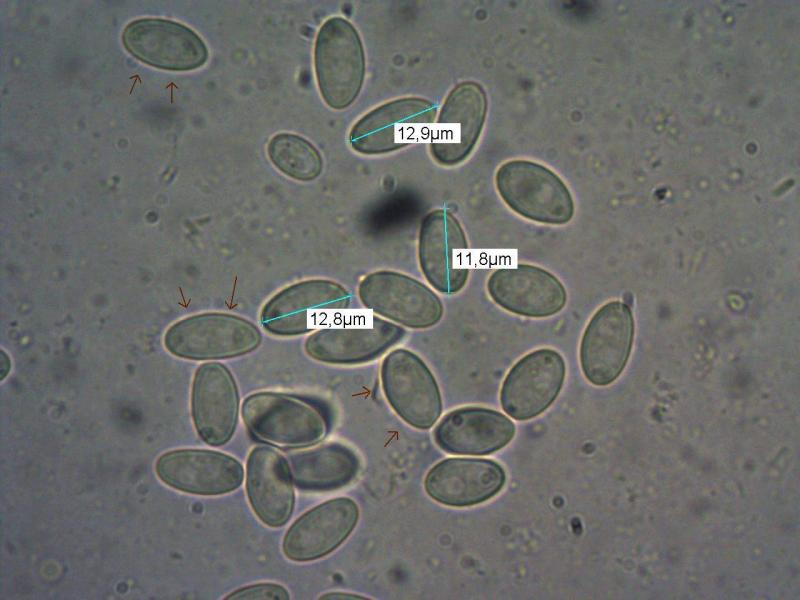
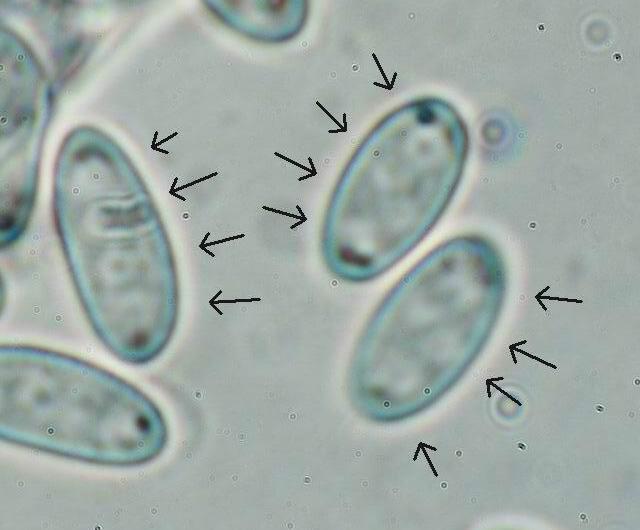
It is right that the 4 nuclei in tuberosa are less distinct as the two hardly larger ones in sclerotiorum or binucleata. Here two photos
Mirek Gryc,
10-05-2021 11:05
Re : Hymenoscyphus, Rutstroemia, Sclerotinia, Ciboria?
Oh yes, in the second picture you can see clearly :)
In my material usually four it was hard to see, and especially hard to take a picture so that they are all at the same time visible.
Due to the fact that it is a frequent species, I did not devote too much time.
Thank you for the pictures.
Mirek
In my material usually four it was hard to see, and especially hard to take a picture so that they are all at the same time visible.
Due to the fact that it is a frequent species, I did not devote too much time.
Thank you for the pictures.
Mirek
Ethan Crenson,
10-05-2021 17:49
Re : Hymenoscyphus, Rutstroemia, Sclerotinia, Ciboria?
Thank you both. That's very helpful. Now at least I know what I'm looking for if I ever have a chance to study this asco again. I'm not sure of any plants associated with this collection, but it is a cemetery, so Anemone is certainly possible.