
24-03-2026 19:59
 William Slosse
Hello everyone,On 23/03/26, I found the following
21-03-2026 15:13
Lepista ZacariasHello everyone, Does any one know of any literatu
24-03-2026 21:37
Elisabeth StöckliBonsoir,Sur bois (tronc) très pourri de conifère
24-03-2026 21:07
Ethan CrensonHello all, A friend collected this asco in a wood
23-03-2026 20:16
 Miguel Ángel Ribes
Good eveningI'm unable to identify this Coprotus o
24-03-2026 15:44
Åge OterhalsI hope someone can confirm the name of this collec

20-10-2017 09:23
Garcia SusanaEste otro crecía en el mismo trocito de madera qu
 I am struggling with this Cheilymenia and I cant even decide the section using Moravec's (2005) keys.
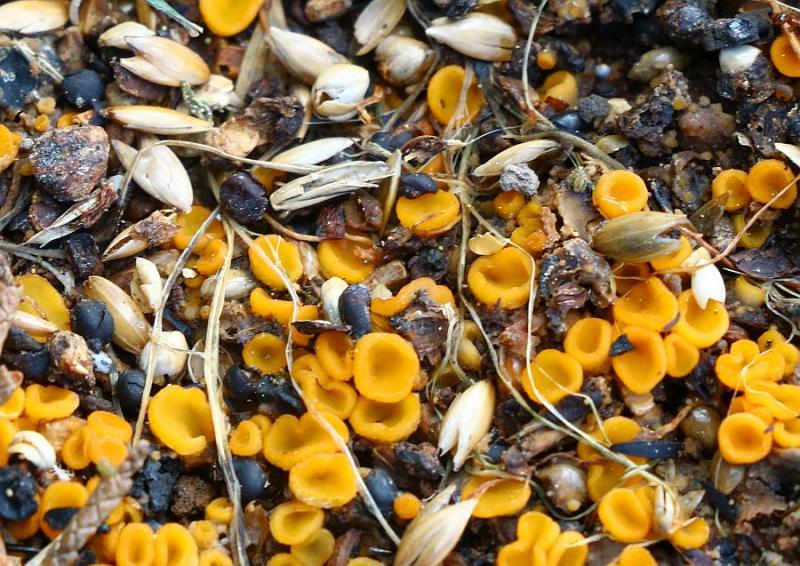
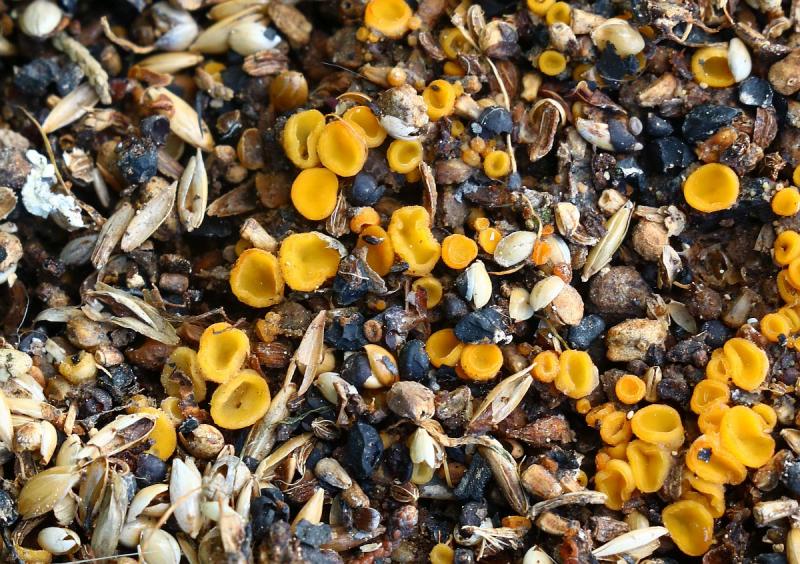
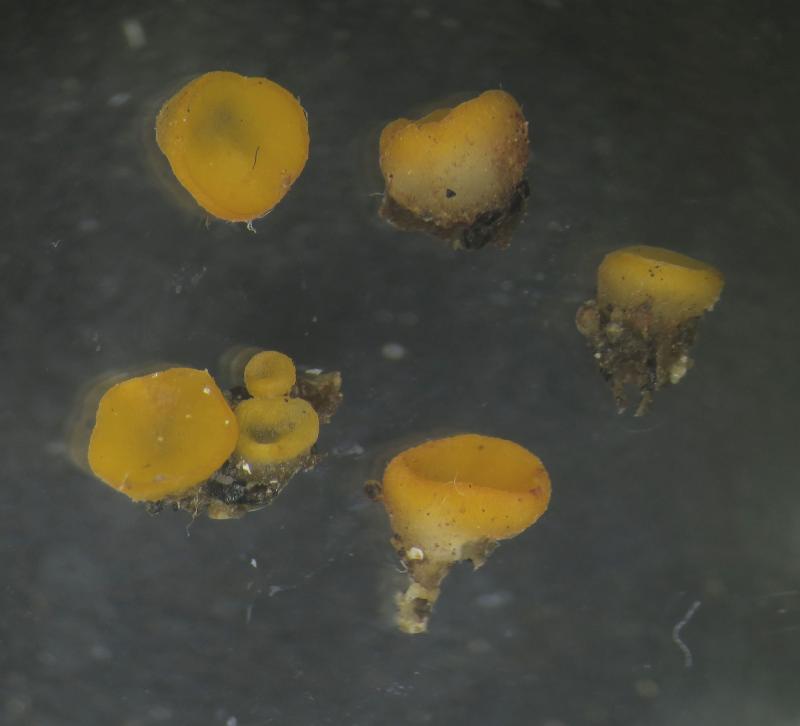
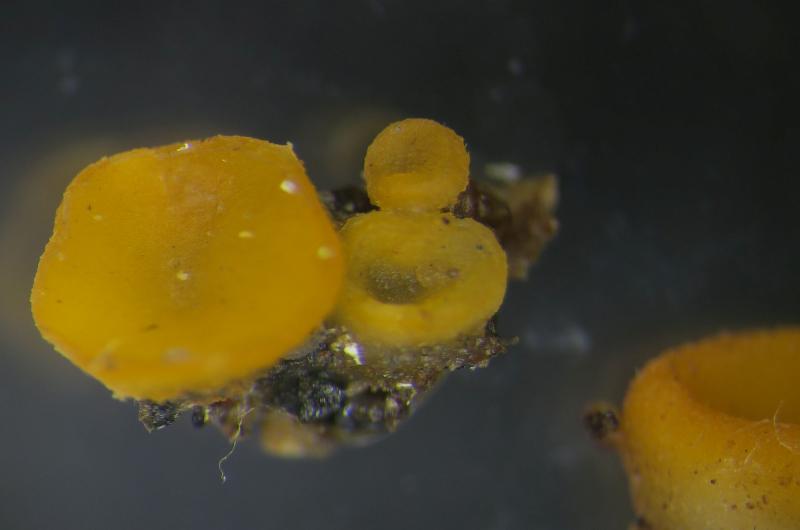
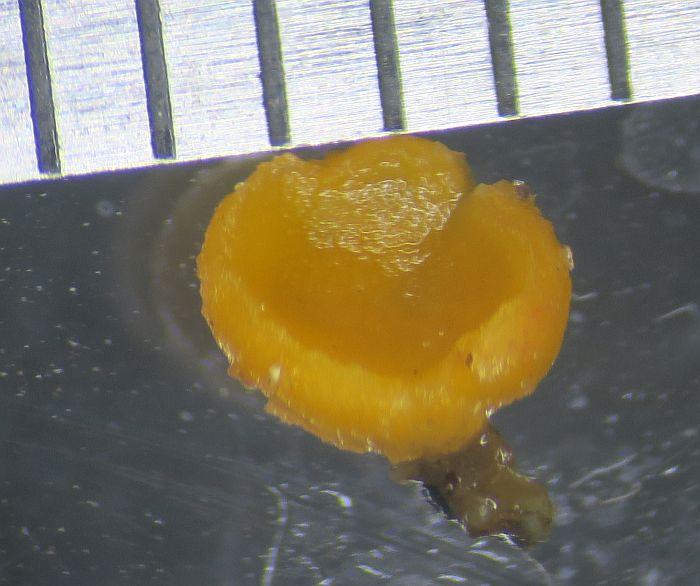
 The Apothecia were clustered, 3-5mm on seed husks and possibly excreta probably of some exotic cage bird dumped on soil (are there also burnt elements ?)
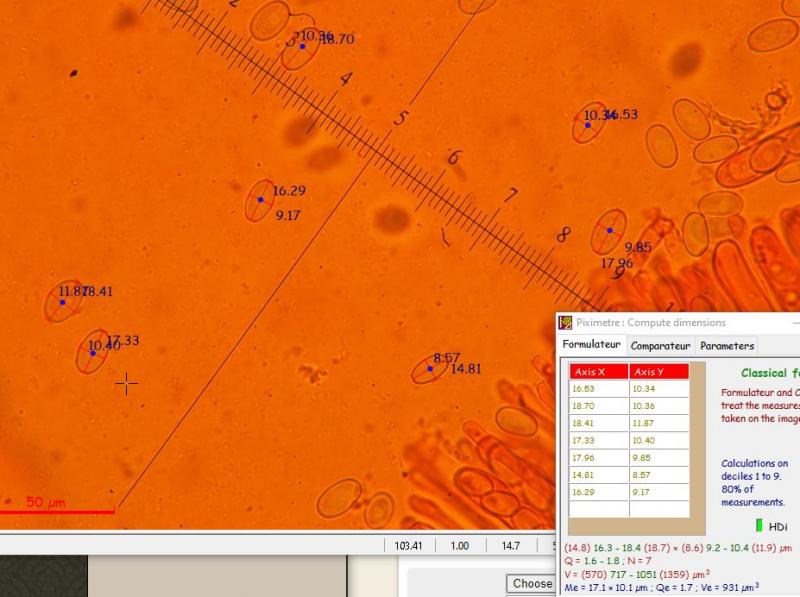
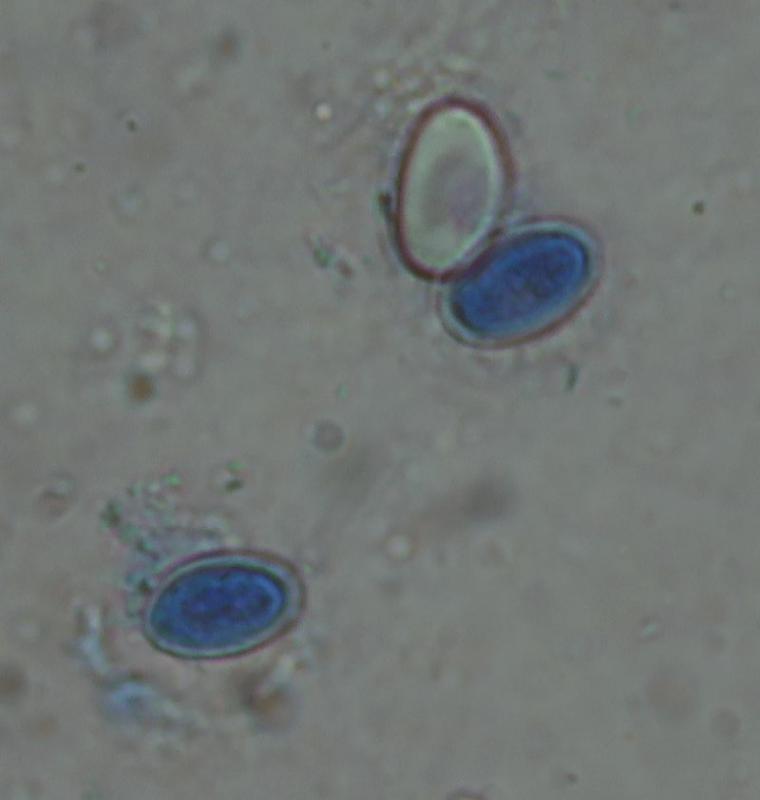
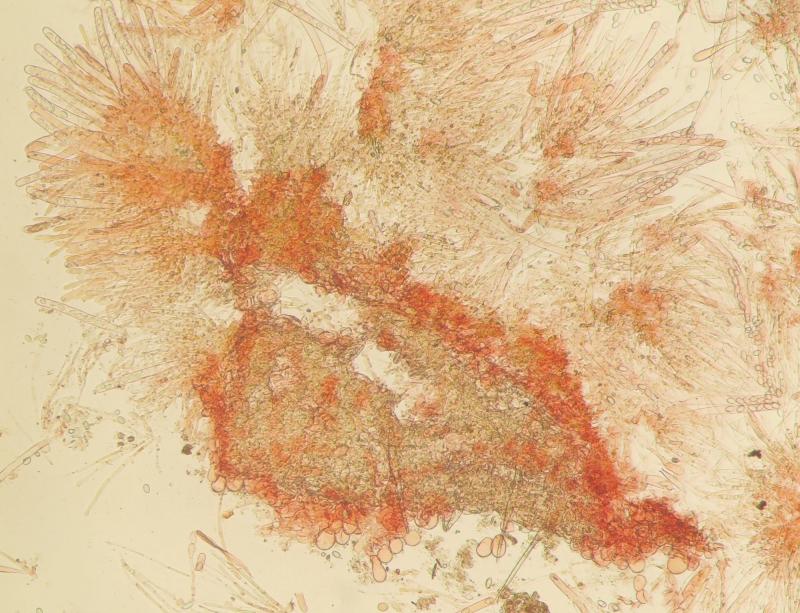
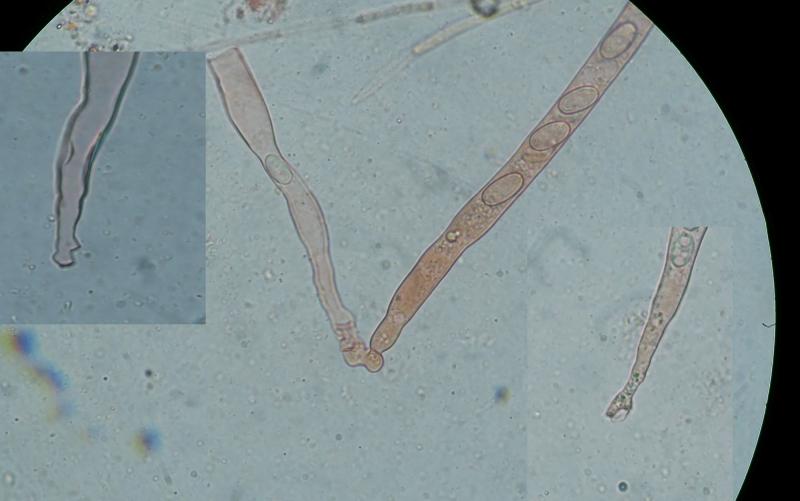
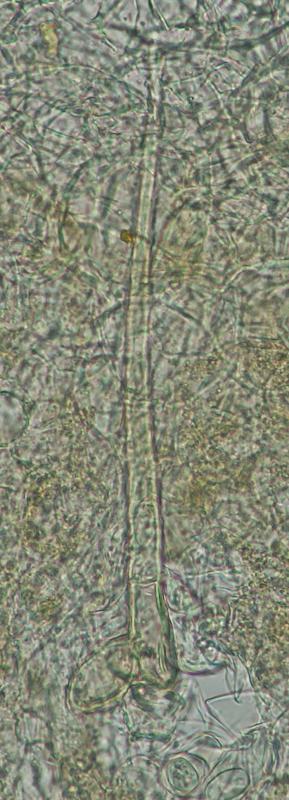
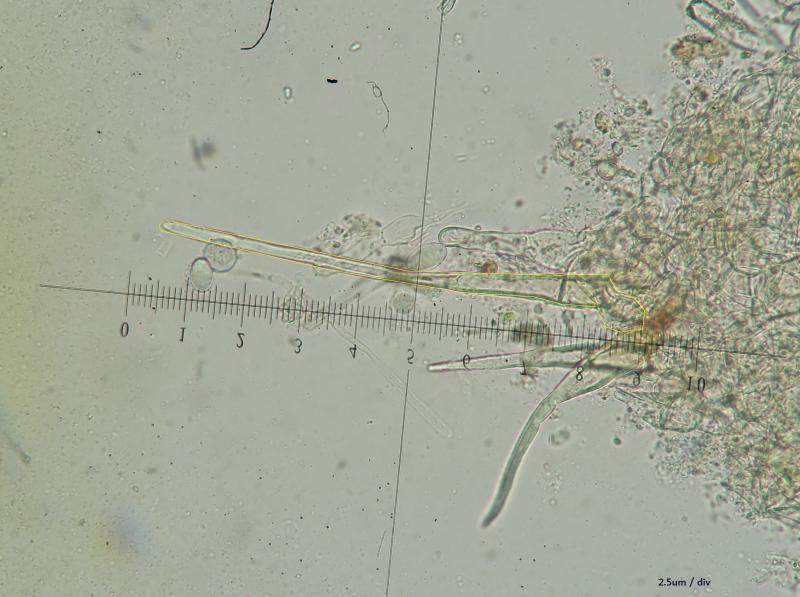
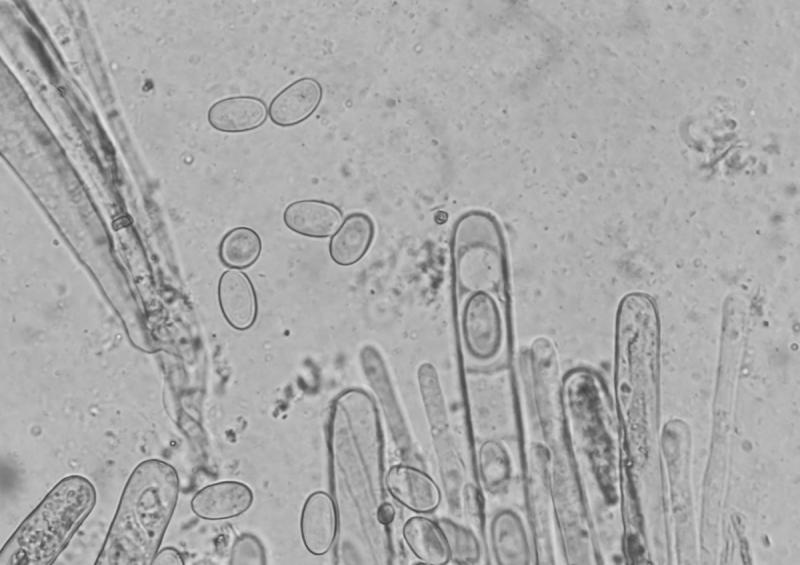
First of all I cant see any striations in the ascospores, evenat x630 stained in cotton blue. Their size is about 17 x 10 um. The asci have h-shaped or boot-heel shape, 8-spore, J -ve. The hairs are septate (x1 - x2) thickwalled and with a lateral bulbous base (a bilbous structure at one side of the hair), the longest about 220 um long, hyaline, barely visible with naked eye.
The texture of the medullary excipulum is globose (to prismatic) but I cant see textura intricata.
The paraphyses are only slightly enlarged at the apex.
There are also infalted hyphae about 25 um long sitting on narrow hyphae.
I made my mind on Cheilymenia theleboloides s.l. , but these should have striated spores ?!?!


Hi Stephen and Peter,
I also had this species on what looked like old dung. You IDed it for me, Peter. I was confused because i could not find hairs but in other respects it agreed with theleboloides so I also concluded that it was the f. glabra.
Charles.
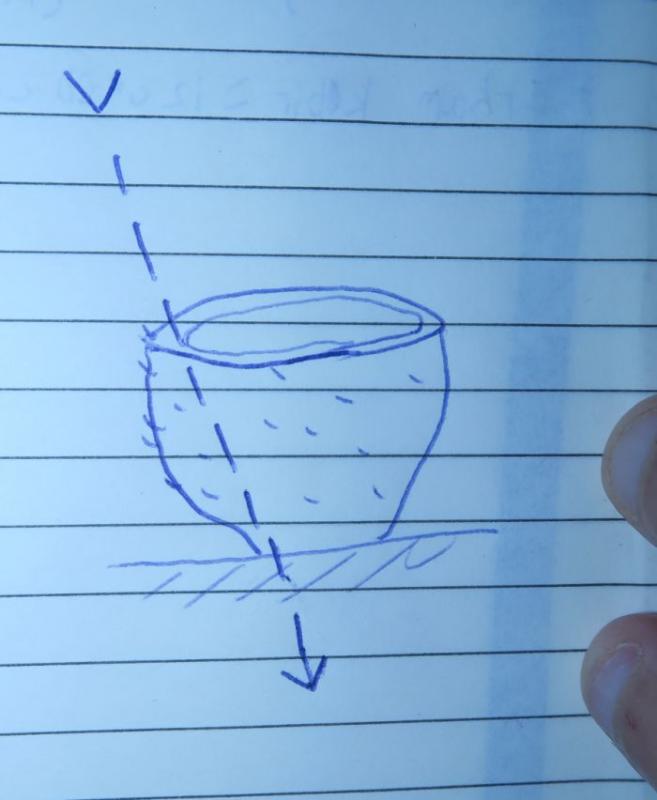
The best thing to do is to prepare a slide specifically for examination of hairs. So, when you slice a section, you try to get the outer layer of the cup (from hymenium margin sliced down to the base) and avoiding the hymenium and axcipulum medulla (difficult on a 2mm ascocarp!) Observing cross-sections of the ascocarps result in only 10% of the material which may possess hairs, and being not so dense chances are to miss them.
I prepared a non-Picasso diagram ;-)
Hi again,
Many thanks for your advice. I did, in fact, use that technique to look for hairs but failed to find any.
Charles.