
24-03-2026 21:37
Elisabeth StöckliBonsoir,Sur bois (tronc) très pourri de conifère
24-03-2026 19:59
 William Slosse
Hello everyone,On 23/03/26, I found the following
24-03-2026 21:07
Ethan CrensonHello all, A friend collected this asco in a wood
21-03-2026 15:13
Lepista ZacariasHello everyone, Does any one know of any literatu
23-03-2026 20:16
 Miguel Ángel Ribes
Good eveningI'm unable to identify this Coprotus o
24-03-2026 15:44
Åge OterhalsI hope someone can confirm the name of this collec

20-10-2017 09:23
Garcia SusanaEste otro crecía en el mismo trocito de madera qu
Mollisioid fungi on a culm of Apiales
Koszka Attila,
26-12-2021 18:39
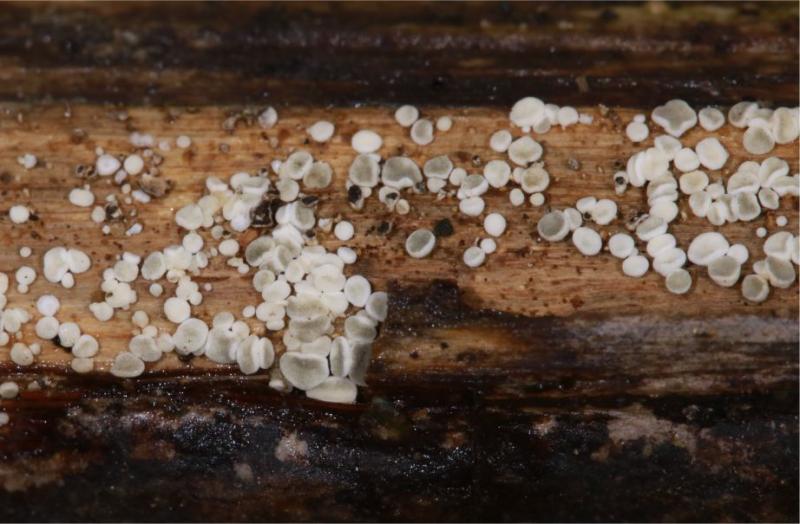
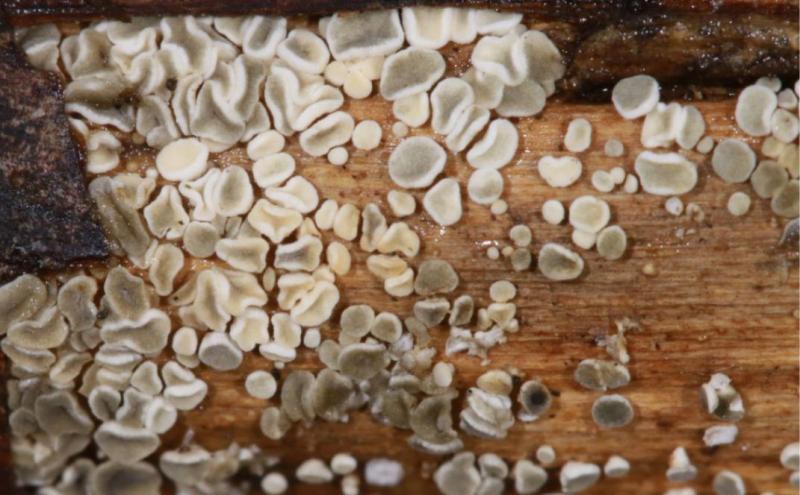
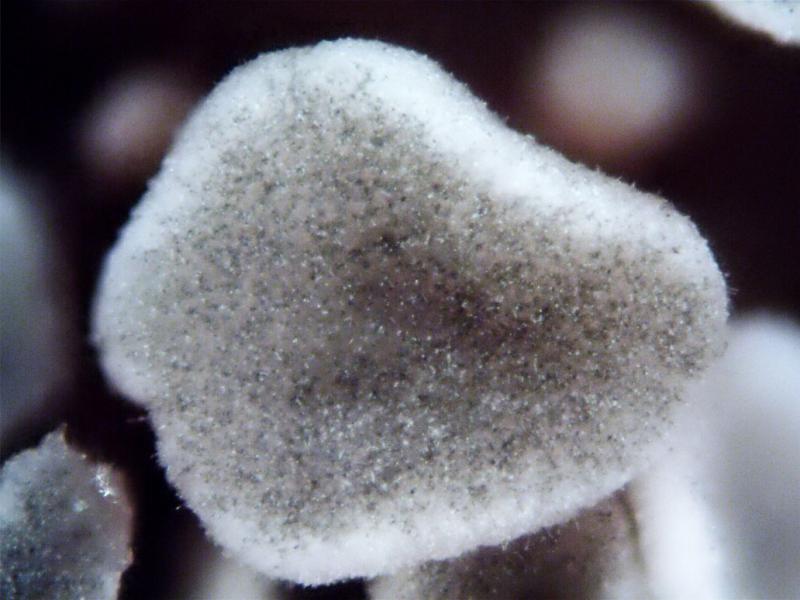
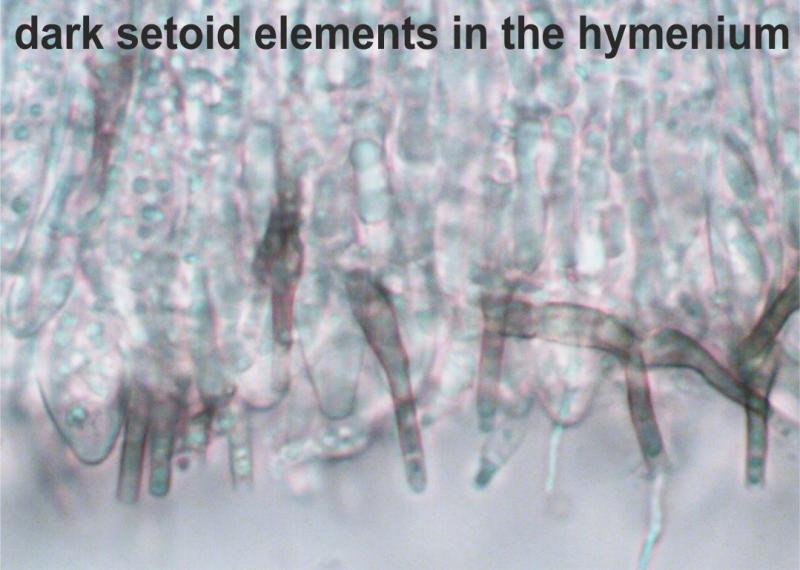
Hans-Otto Baral,
26-12-2021 19:14

Re : Mollisioid fungi on a culm of Apiales
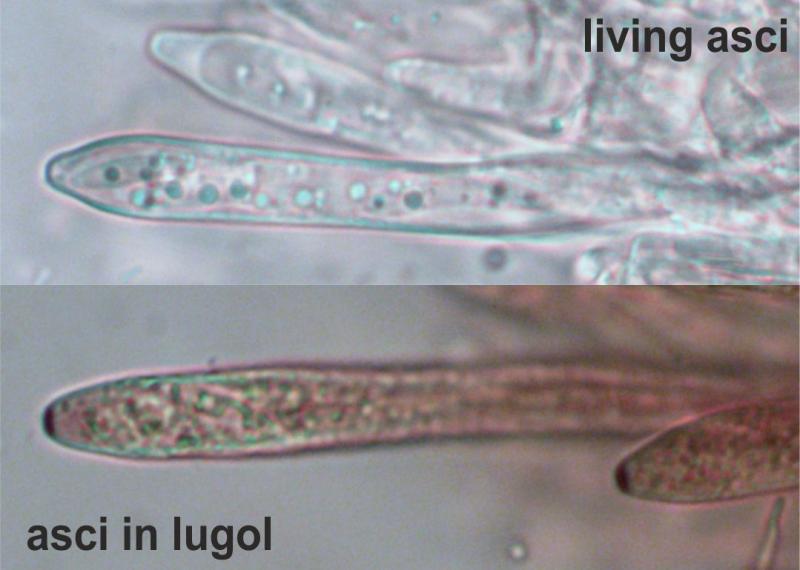
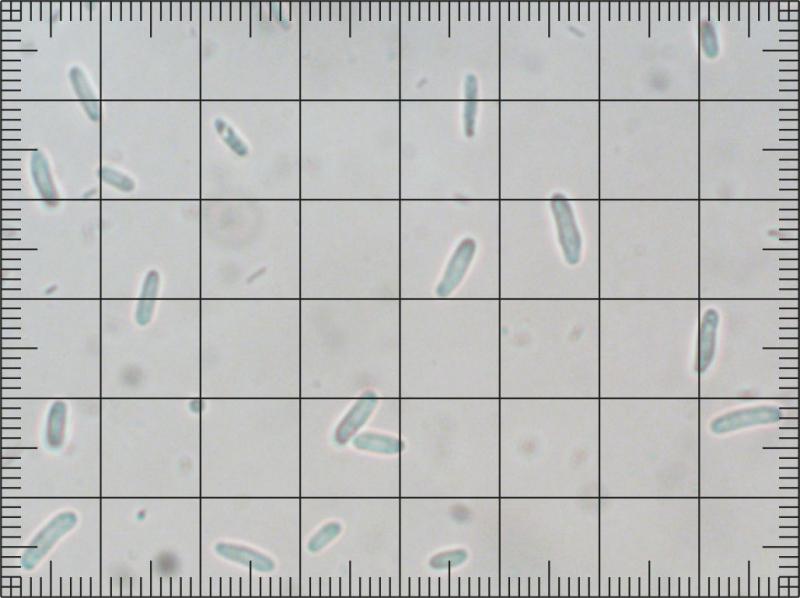
I wonder why your free spores are eguttulate and those in the asci guttulate.
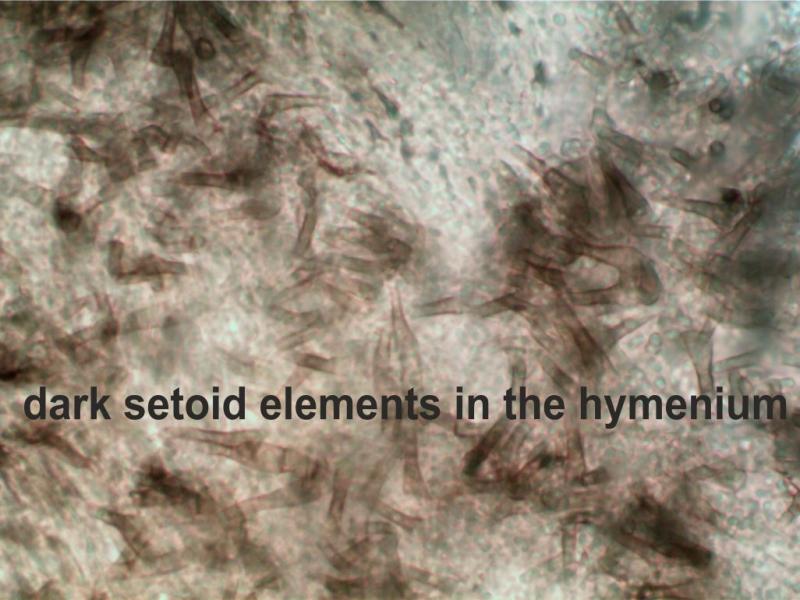
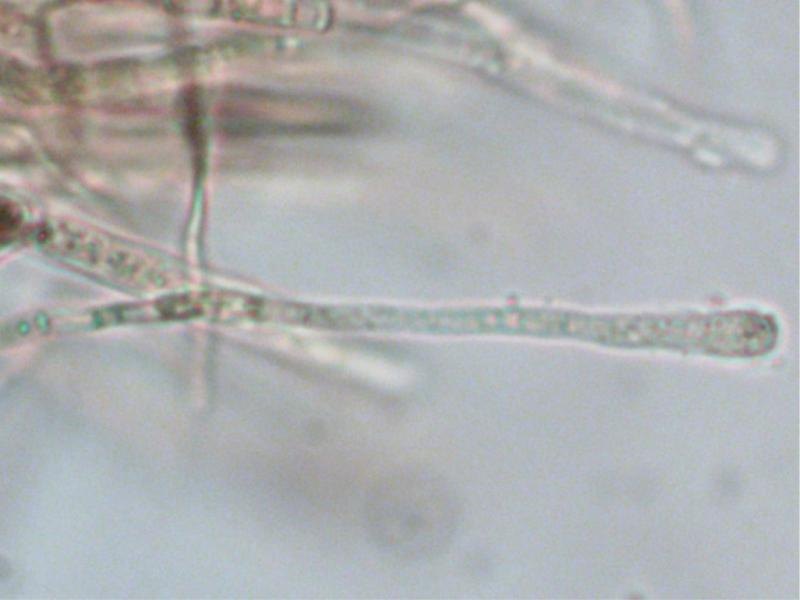
In dead state and without excipulum difficult to say. I guess it is a Calycina, because the setoid elements are the Chalara anamorph.
Koszka Attila,
26-12-2021 19:46
Re : Mollisioid fungi on a culm of Apiales
It was strange for me as well, because the spores was examined in water.
There is a photo of a living ascus, with a free spore:
Thank you, I will search in Calycina first!
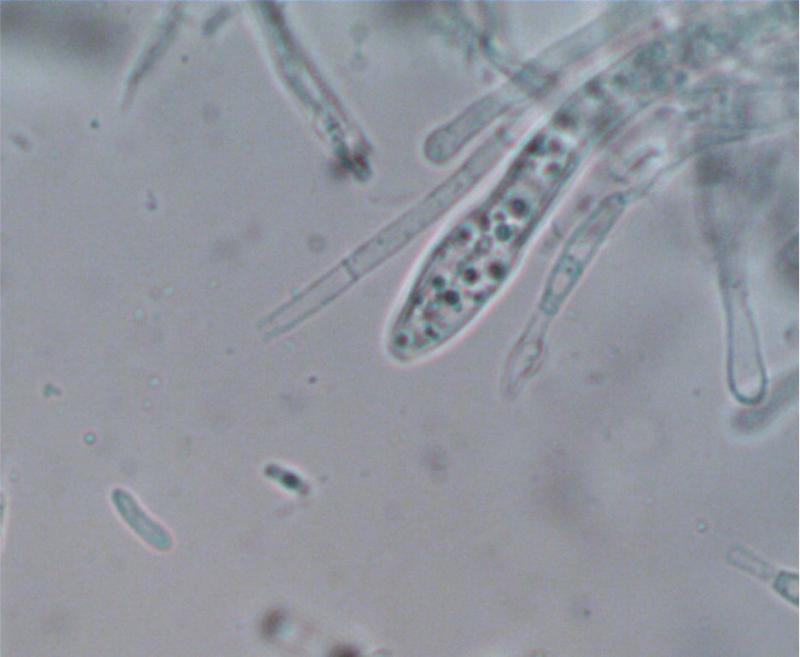
Hans-Otto Baral,
26-12-2021 21:27
Re : Mollisioid fungi on a culm of Apiales
Only the spores in the ascus are alive, and the free spore which I consider alien.
The red IKI reaction would be typical of Calycina subparilis. Depends on the spore size.
Substate is Rubus (pentagonal)?
Koszka Attila,
27-12-2021 08:14
Re : Mollisioid fungi on a culm of Apiales
The test material was taken with an insect pin, under the stereomicroscope, directly from the fruiting bodies. Maybe there are free conidiospores with no guttules? If there are anamorph presented, I guess the material is maybe too young... I will re-collect it in a few days.
The substrate is no Rubus, but a plant of Apiales, or maybe a Filipendula, it will come to light next year.
The substrate is no Rubus, but a plant of Apiales, or maybe a Filipendula, it will come to light next year.
Hans-Otto Baral,
27-12-2021 08:31
Re : Mollisioid fungi on a culm of Apiales
The angular shape of the stem excludes an Apiales. Filipendula is very characteristic, this may be possible.
It doesn't look so immature, but if you studied it in dry condition then it may be that many spores got shot away during drying.
The conidia of the Chalara phialidia are much shorter and with an eccentric guttule, so these long and narrow free spores should belong to another fungus.