23-05-2026 11:44
 Charles Grapinet
Hello, I am having trouble identifying this copro
25-05-2026 16:44
François BartholomeeusenHi forum members,During an excursion organised by
25-05-2026 16:35
 Bernard CLESSE
Bonjour à toutes et tous,J'ai trouvé récemment,
22-05-2026 13:29
Gernot FriebesHi,I am curious to hear your opinion on this mater
23-05-2026 18:57
Sylvie Le GoffBonjour à tousRécolté sur une branchette de Sal
22-05-2026 14:44
 Lothar Krieglsteiner
in unripe condition citrine yellow, then soon fadi
22-05-2026 21:35
Steve ClementsBonjour, I expected this find on old wood on our
22-05-2026 18:12
Lothar Krieglsteiner
... in moist chamber from Portugal.As the fungus s
22-05-2026 20:08
Ethan CrensonHello all, Yesterday in NYC I was visiting an e
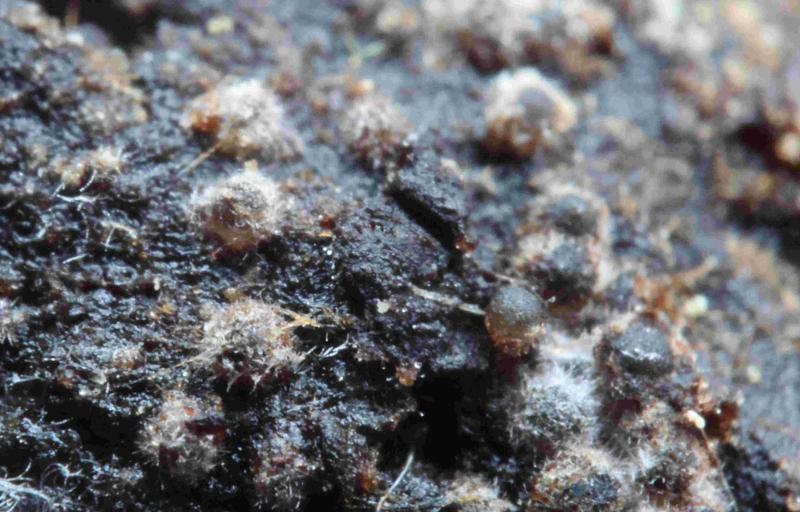
Hello,I am having trouble identifying this coprophilous fungus. It was found on wild boar dung on May 21st.
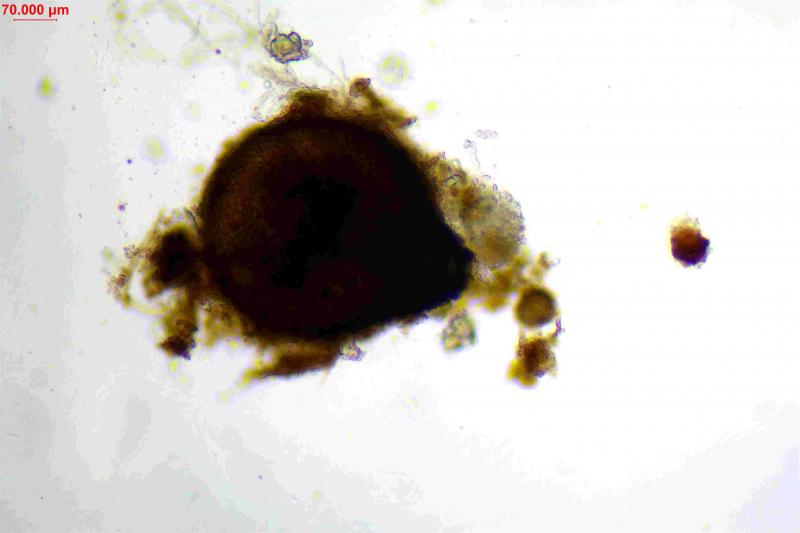
The perithecia are dark brown to black, pear-shaped, about 480 × 400 µm, and covered with a whitish tomentum (rufous in some areas). The hyphae forming the external tomentum fragment into small cells measuring about 15 × 20 µm.
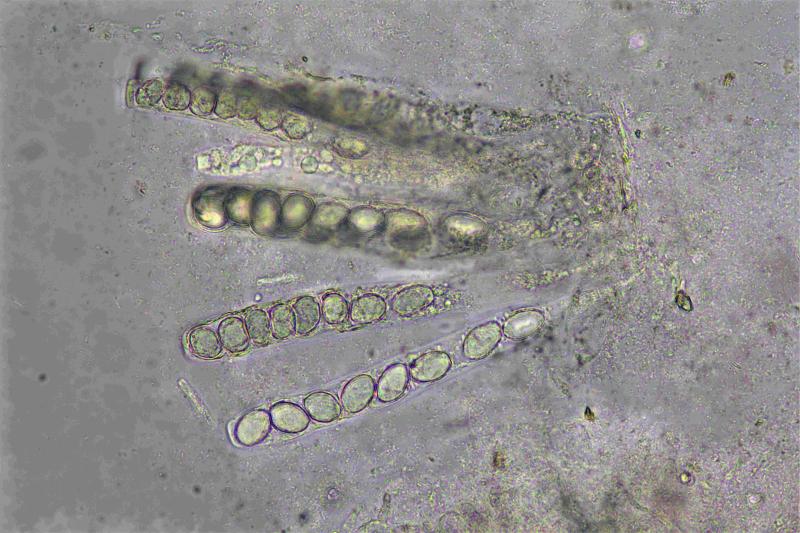
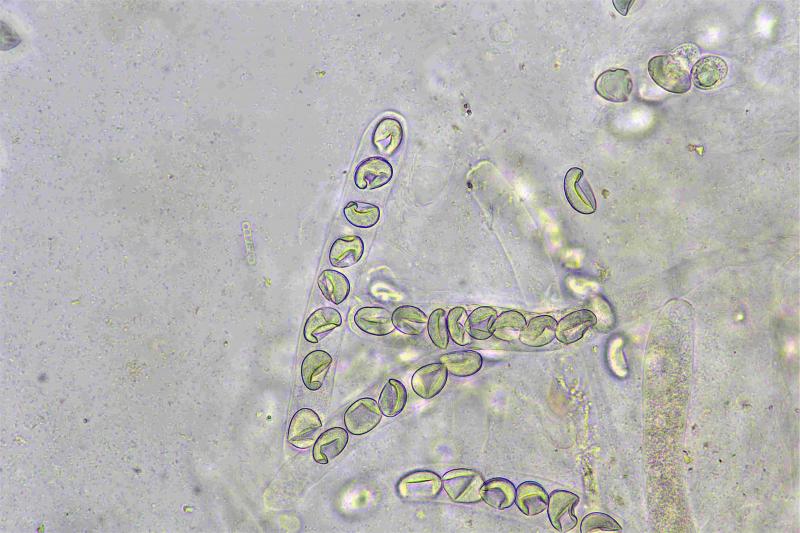
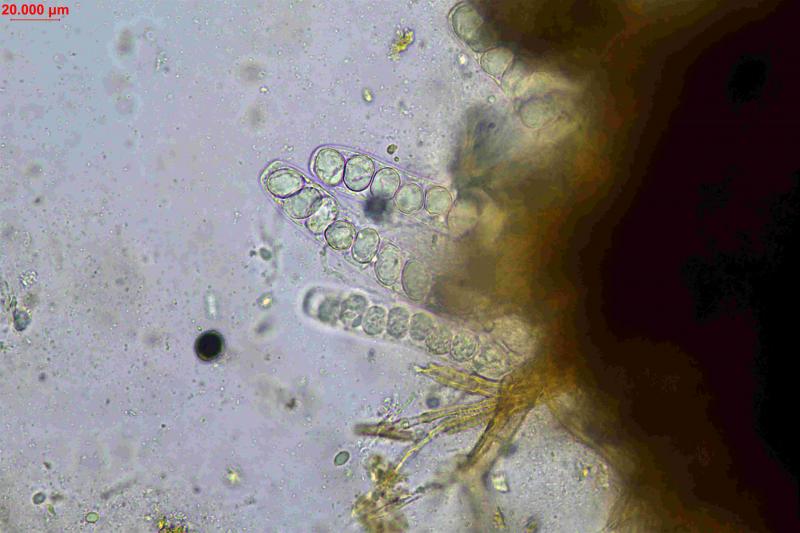
The spores are hyaline, ellipsoid, smooth, measuring 16–20 × 10–13 µm.
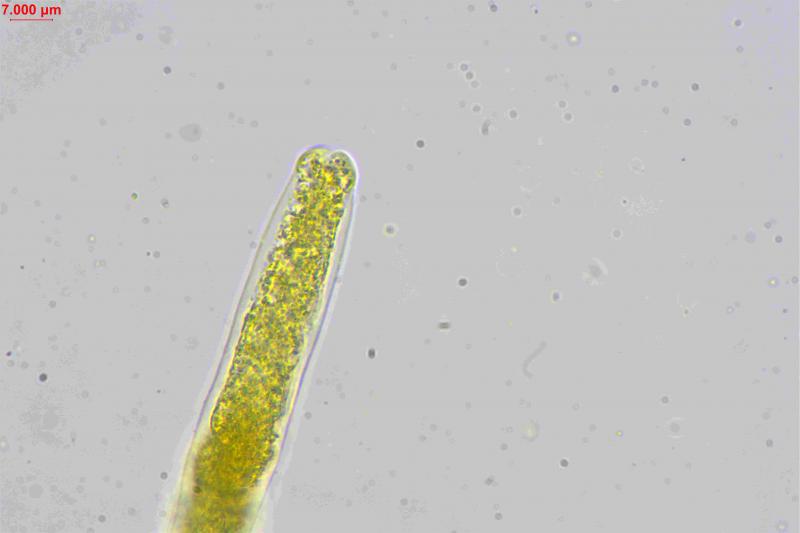
The asci are 8-spored, mostly arranged in a single row (sometimes in two rows), non-amyloid, approximately 190 × 18 µm.
Does anyone have an idea what this species could be?
Many thanks in advance!
Charles