
18-05-2026 12:43
Sylvie Le GoffBonjour à tousPuis je avoir votre aide sur ce que
18-05-2026 10:13
 Lieve Deceuninck
Dear forum members,I identified this as the teleom

17-05-2026 19:05
Thomas FlammerI have found this tiny 200 ym cup shaped apothecia
17-05-2026 16:41
Margot en Geert VullingsWe found this Lachnum on an old Rubus stem.Fruitbo
05-04-2026 22:46
 Lothar Krieglsteiner
on wood of Ceratonia, Algarve, 3.4.2026.The color
15-05-2026 13:33
Sylvie Le GoffBonjour à tousJe serais très reconnaissante enve
16-03-2011 14:31
roman vargas albertoHi. I would like some opinion about this Peziza
14-05-2026 05:36
Ethan CrensonHi all, I haven't paid much attention to Lachnu
10-05-2026 23:17
 Andreas Gminder
Hello,today we found in a moist steep decidous for

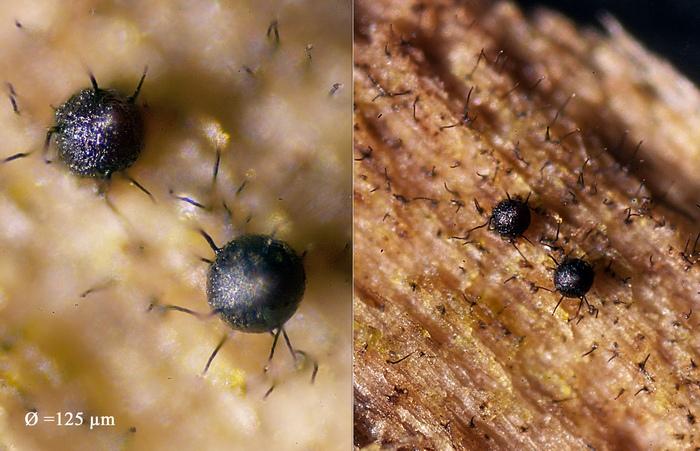
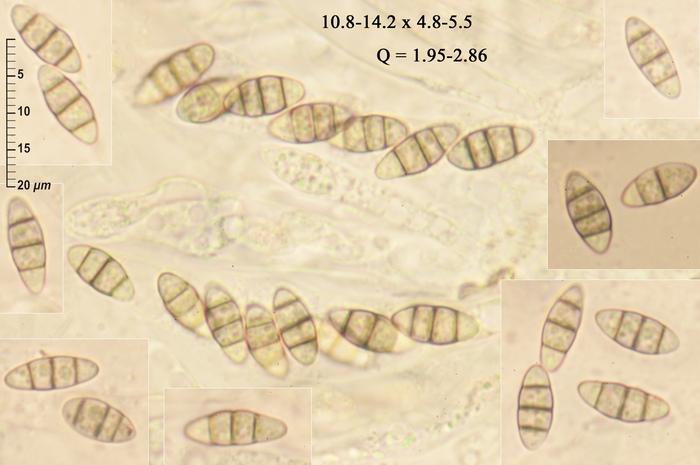
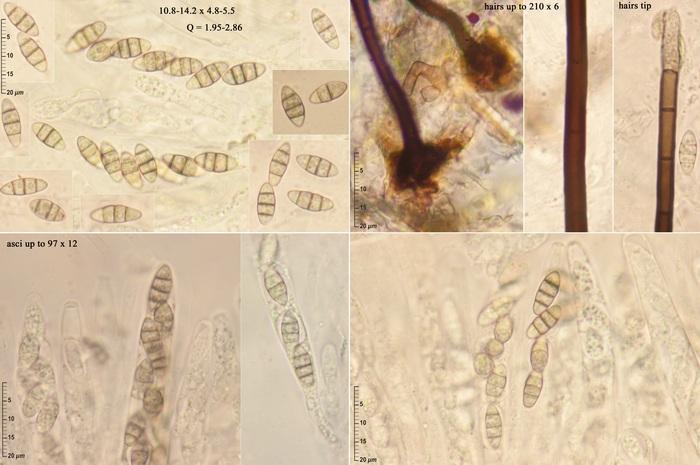
These very small (up 70 125 microns), superficial, blackish, roundish and pilose ascomata grew on decorticated wood of Quercus ilex. Could be Capronia pilosella/Herpotrichiella moravica with so long hairs up to 210 mic. long? Are these names synonims?
Thanks again
Hopefully this helps,
Regards, Eduard

hairs/setae are not Capronia-like, but typical for Chaetosphaeria species. Are they realy belong to the fruitbodies or are they just surrounding them? I had C. pilosella many times, always with very small spores and distinct black acute setae of ~60-80µm length.
regards,
björn
Hi Björn
Yes. the hairs undoubtedly belong to the ascomata. And yes, my older collections of Capronia pilosella have blackish, short acute setae as you say.
Thanks again