29-05-2026 15:35
daniel FERREBonjour à tous,Je voudrais votre aide pour cette
28-05-2026 16:15
James MitchellHello,Does anyone have the original publication of
28-05-2026 11:06
Thomas Læssøehttps://svampe.databasen.org/observations/10596750
23-05-2026 11:44
 Charles Grapinet
Hello, I am having trouble identifying this copro
25-05-2026 16:44
François BartholomeeusenHi forum members,During an excursion organised by
26-05-2026 21:25
Dirk GerstnerHello everyone, I'm completely stumped by this li
26-05-2026 22:44
Ethan CrensonHi all, I think I have Incrucipulum capitatum her
22-05-2026 14:44
 Lothar Krieglsteiner
in unripe condition citrine yellow, then soon fadi
25-05-2026 16:35
 Bernard CLESSE
Bonjour à toutes et tous,J'ai trouvé récemment,
22-05-2026 13:29
Gernot FriebesHi,I am curious to hear your opinion on this mater

Hola a todos.
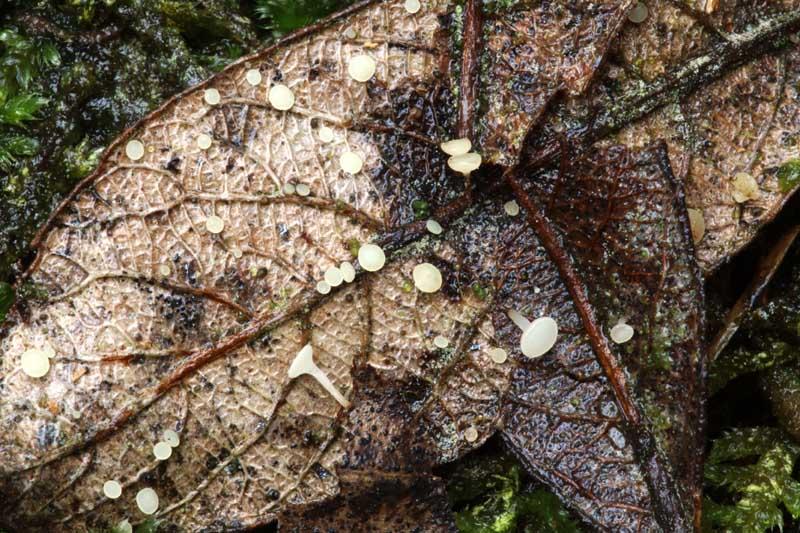
Subo unas fotos de un Hymenoscyphus que encontré sobre hojas de Salix.
Esporas con 1 septo central, de 17-21,5 x 5,5-6,5 micras.
Ascas amiloides, aporrincas.
Ya encontré una especie similar hace unas semanas, http://www.ascofrance.com/search_forum/45626, sobre hojas de arce, con esporas algo menores y sin septo central.
¿Les parece también Hymenoscyphus caudatus? He visto en internet citas con esporas más largas y estrechas, son tan variables?
Saludos
Rubén
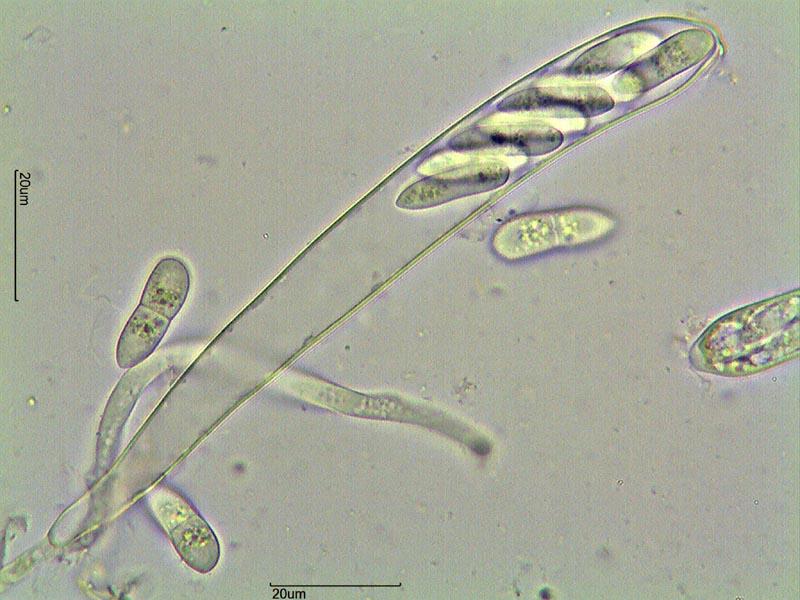
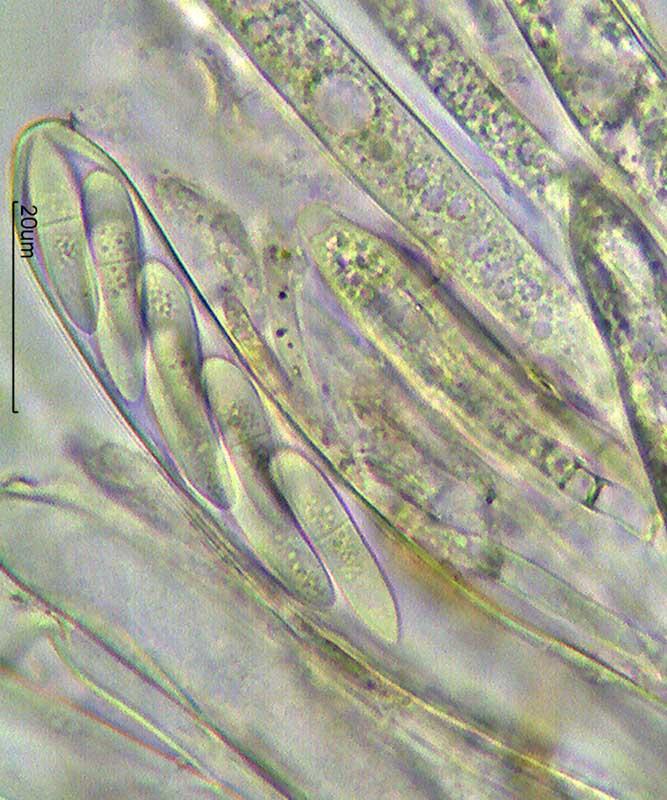
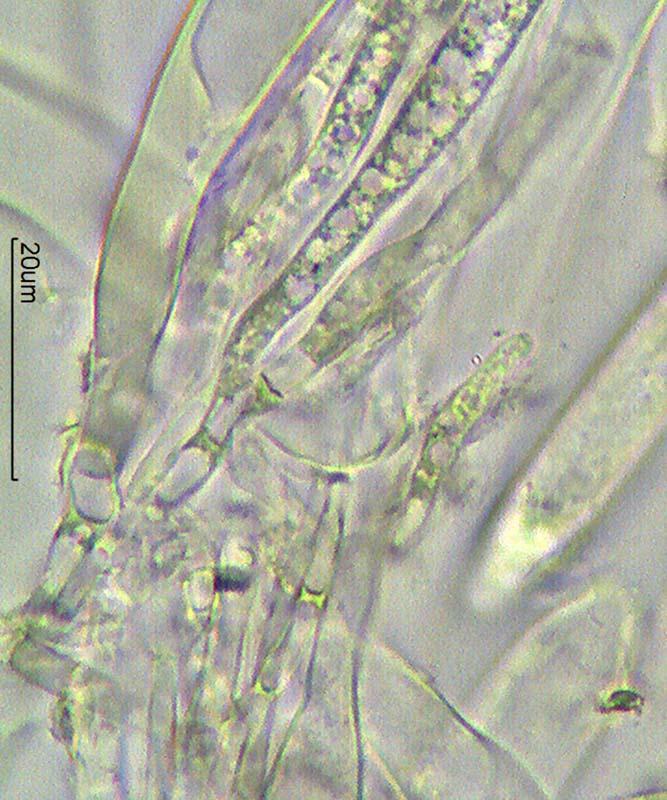
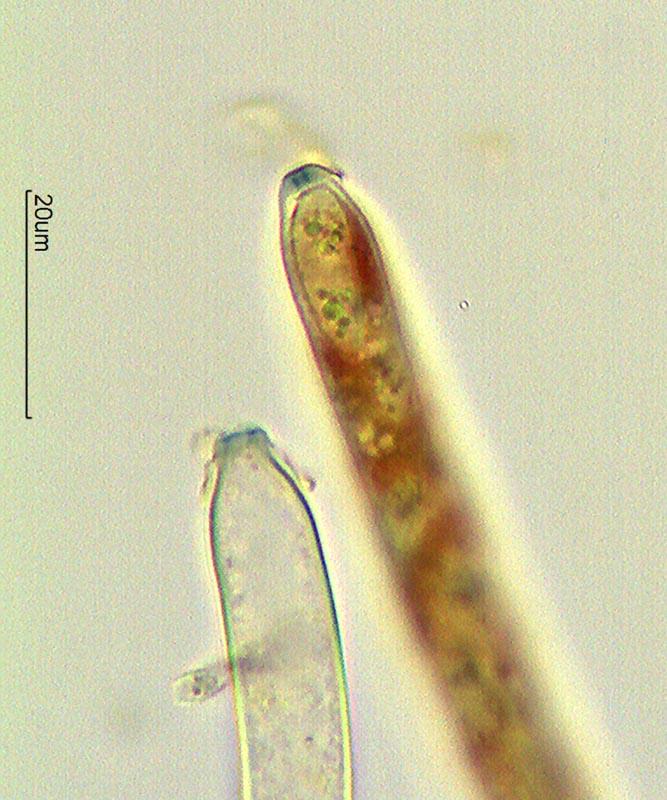
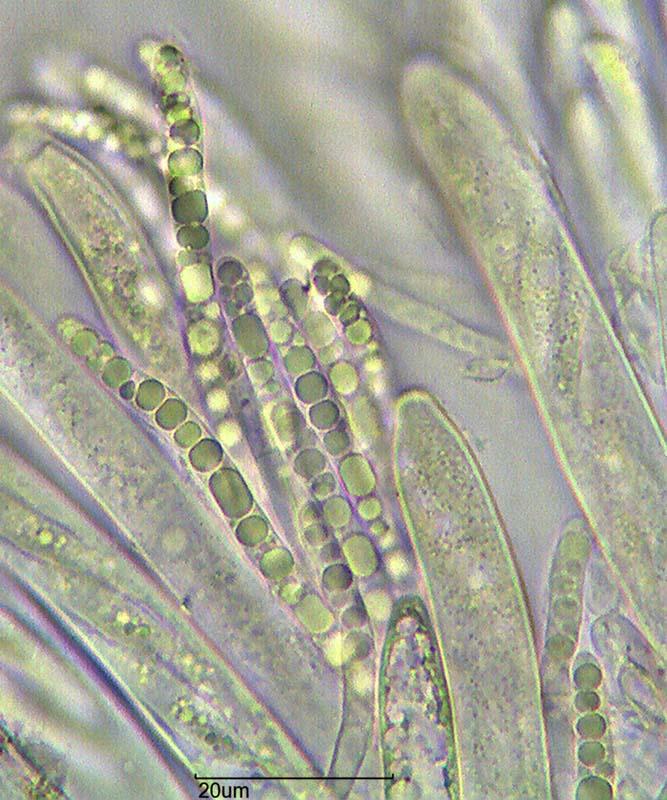
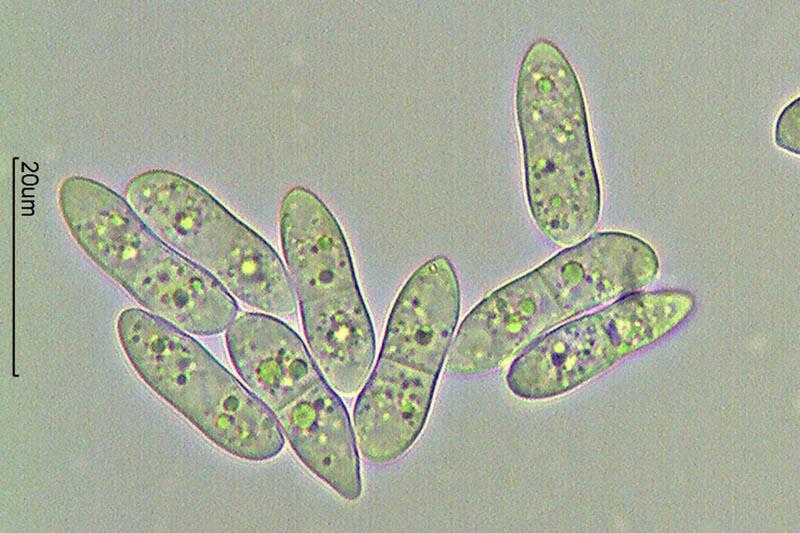
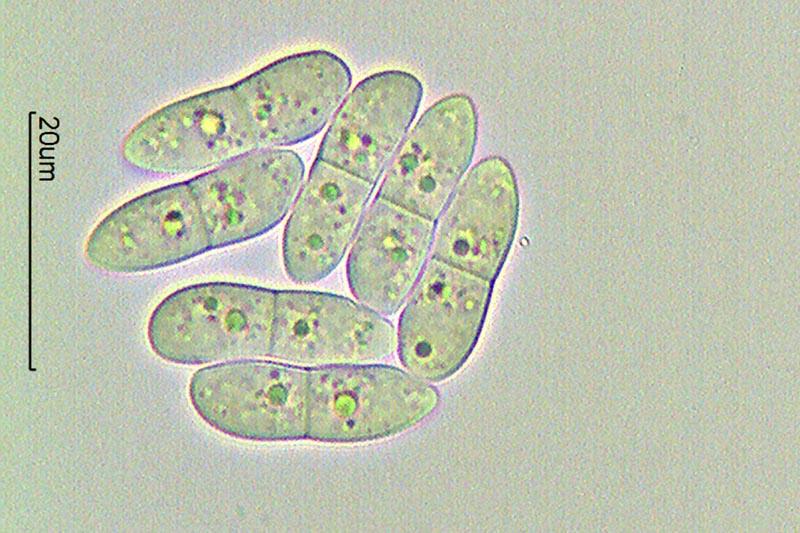
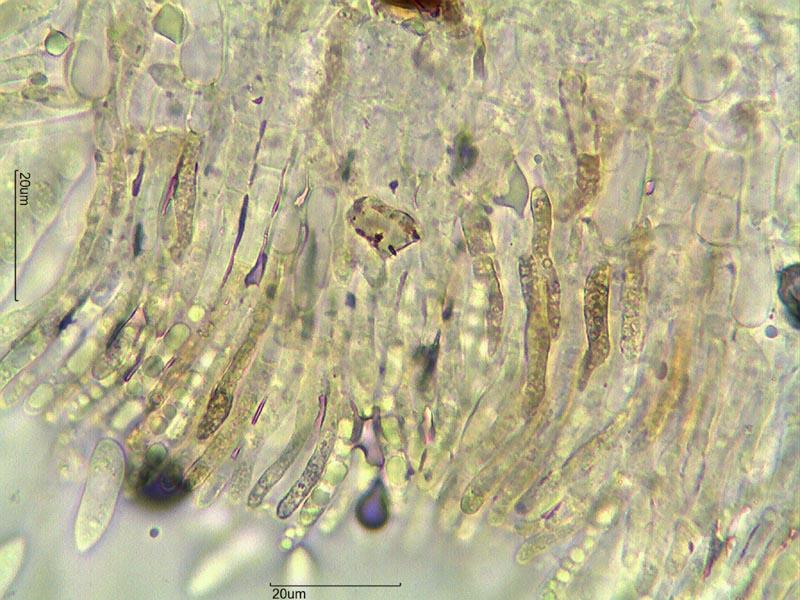
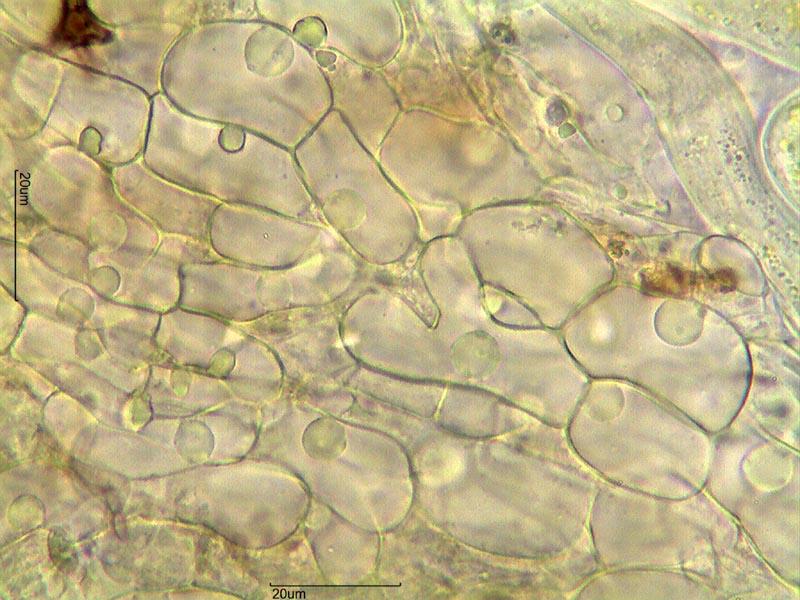

This is extremely annoying, i never saw septate spores inside living asci in such a species. For me it still looks like H. caudatus, but I am irritated.
Collections with longer and narrower spores have often a much higher lipid content and are surely not the same, but are without a name and difficult to classify.
Gracias por su ayuda, Zotto.
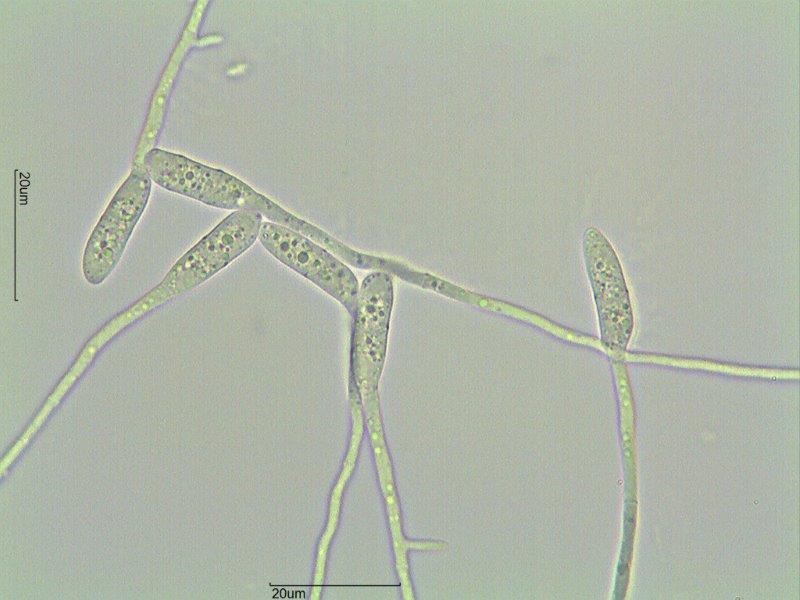
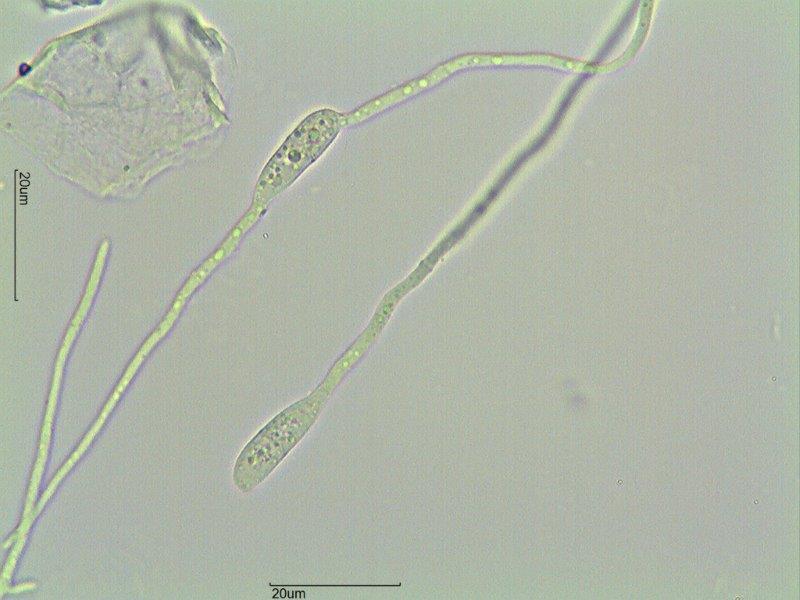
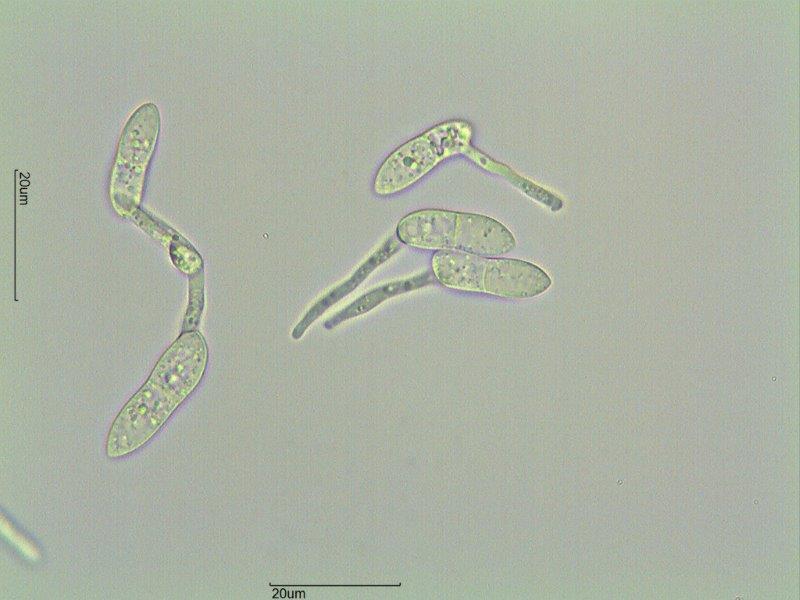
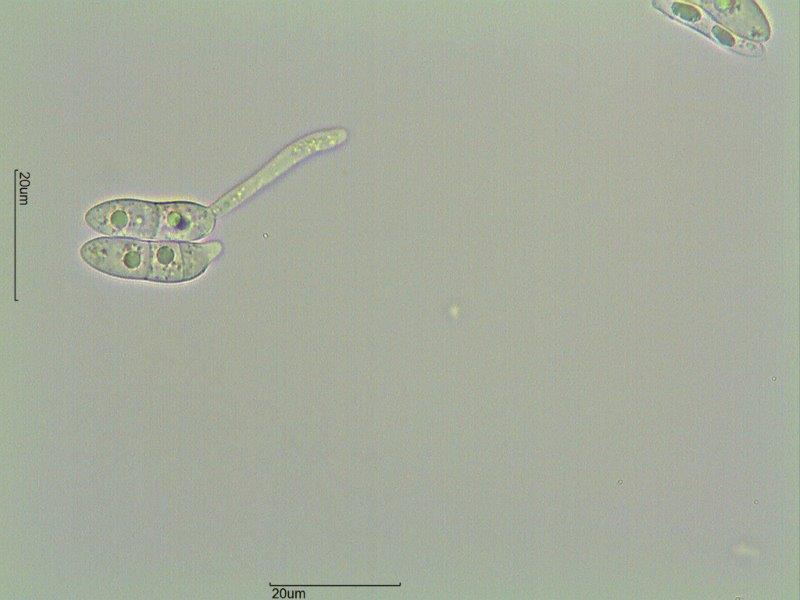
Pongo unas fotos de esporas germinando. La mayoría germinan por un extremo, aunque he visto alguna que lo hace por los 2.
Saludos
Rubén