
12-06-2026 14:50
 François Freléchoux
Bonjour, Voici la brève description d'une Mollis
10-06-2026 21:16
François Freléchoux
Bonsoir,Le dernier du jour, en attendant votre avi
11-06-2026 19:01
 William Slosse
Hello all,In an attempt to make a culture of a sus
11-06-2026 19:03
 Nicolas VAN VOOREN
Chers membres d'Ascofrance,Le site sera placé en

09-06-2026 18:32
Camille MertensSur morceau de roseau immergé 0,5 - 0,7 mm de dia
10-06-2026 12:54
Steve ClementsBonjour encore, Pouvez-vous m'aider, s'il vous pl
10-06-2026 21:07
François Freléchoux
Toutes les tiges de gentianes jaunes de l'an passÃ
10-06-2026 13:41
François Freléchoux
Bonjour à nouveau, Voici une trouvaille d'hier.
Disques oranges
Louis DENY,
13-02-2020 10:14
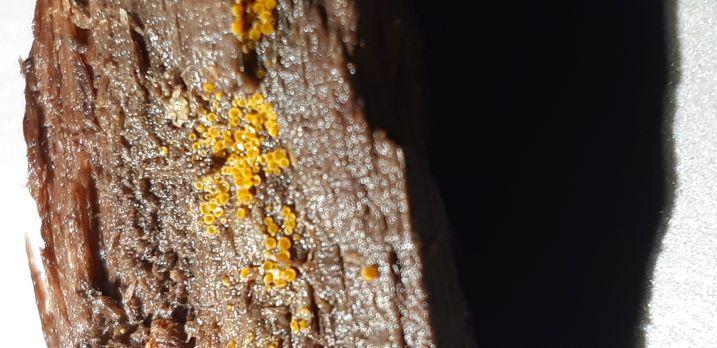
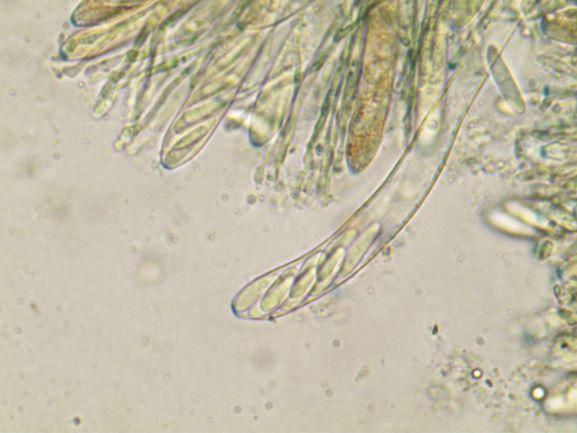
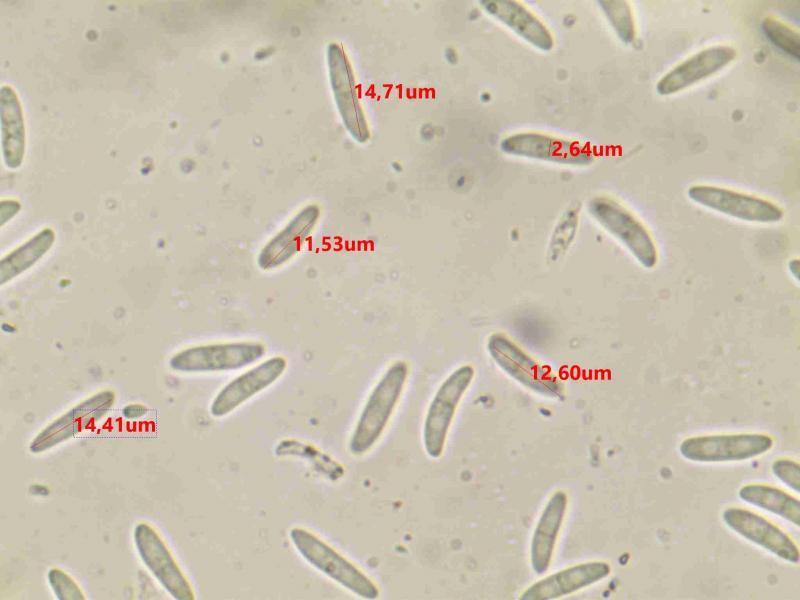
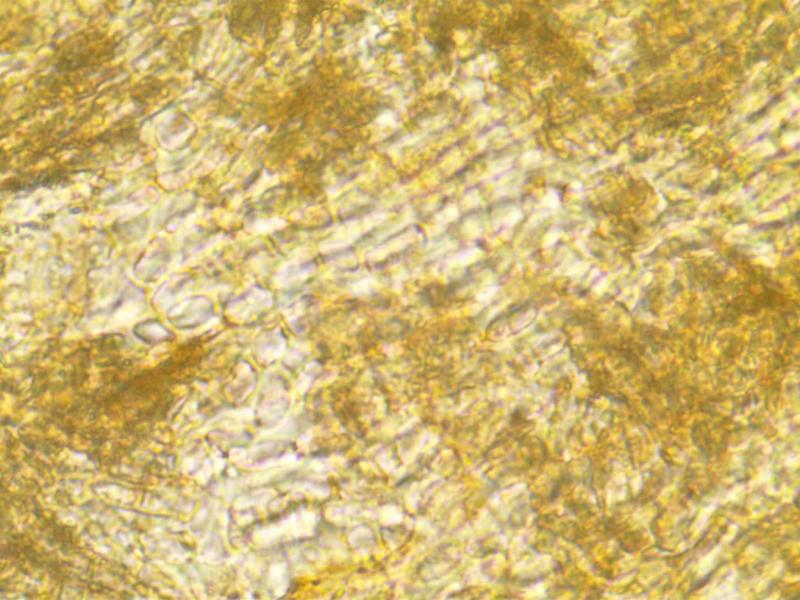
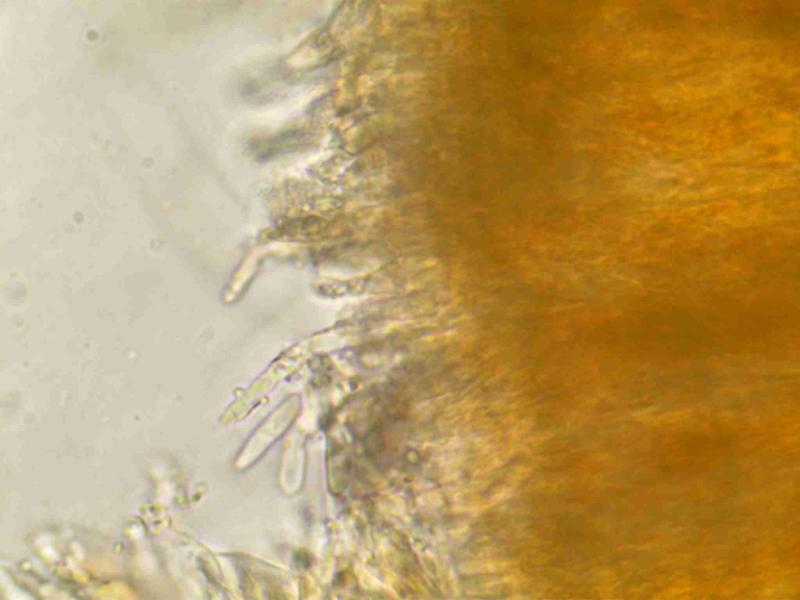
Sur bois très décomposé et imbu de feuillu (Betula?), petits disque oranges (diamètre 0.4/0.7 mm) en groupe dense. Poils à apex arrondi, 50µ, avec quelques granulations me semble-t-il. Asques à crochet, J+, spore biseriées, L=80µ. Paraphyses filiformes, à contenu huileux. Spores hyalines, sans gouttes, 1X septées y compris dans l'asque, 11-15 X 2.5-3 µ, legèrement incurvées. Excipulum prismatique.
Merci pour votre aide



Hans-Otto Baral,
13-02-2020 10:47

Re : Disques oranges
Cher Louis!
your micros are very useful, the macro needs more magnification. This must be Arachnopeziza cornuta (= A. trabinelloides). The fungus was repeatedly in this forum.
Zotto
Kosonen Timo,
13-02-2020 10:56

Re : Disques oranges
I agree with Zotto. Practically nonexistent subiculum would fit to A. trabinelloides. If the sample is still fresh, make a mount in water (small drop only), put it to 40X or so and then add excess MLZ on the side of the mount so that it runs under the cover glass. The resin should turn blue, but the reaction lasts only for some minutes and is not visible in dry/herbarium material. ---or if it is only resin that turns blue, I am not 100% sure. I havent seen fresh material that often.
Timo
Hans-Otto Baral,
13-02-2020 11:24
Re : Disques oranges
Interesting! I only know a bluegreen reaction of the orange lipids (carotenoids) in Lugol (or MLZ).
See HB 9256
Zotto
Louis DENY,
13-02-2020 18:39
Re : Disques oranges
Thanks to both of you! I was misled by the lack of subiculum.