
19-03-2026 18:25
 William Slosse
Good evening everyone, On 18/03/26 I found a few
19-03-2026 19:34
 Filip Fuljer
Hello everyone,a few days ago I collected this str
17-03-2026 10:09
 François Freléchoux
Bonjour, Voici la description rapide d'un petit d
19-03-2026 17:50
 Enrique Rubio
Hi to everybodyThese thiny, blackish pseudothecia
18-03-2026 13:09
 Khomenko Igor
I recently examined Celtis occidentalis branches
17-03-2026 19:41
 Bernard CLESSE
Bonsoir à toutes et tous,Pourriez-vous m'aider à
18-03-2026 17:22
Katarina PastircakovaHi there,I'm looking for the following literature:
19-03-2026 10:56
Thomas Læssøehttps://svampe.databasen.org/observations/10505643
27-02-2026 11:21
 Yannick Mourgues
Hi to all. Here is a specie that can may be relat
Hello everyone.
Substrate can not be able to determine so I place photos.
Regards
Mirek
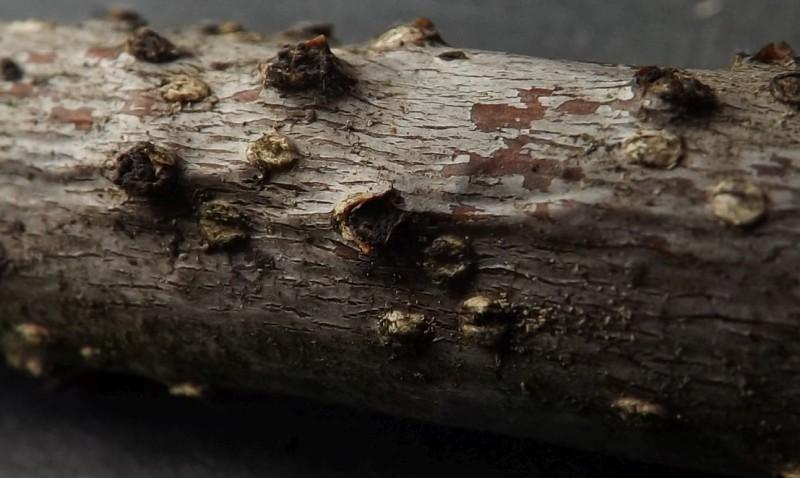
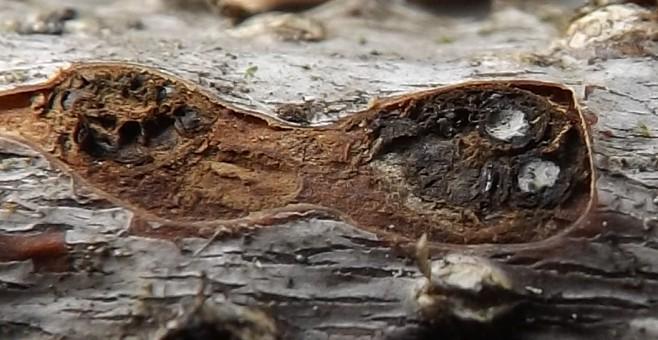
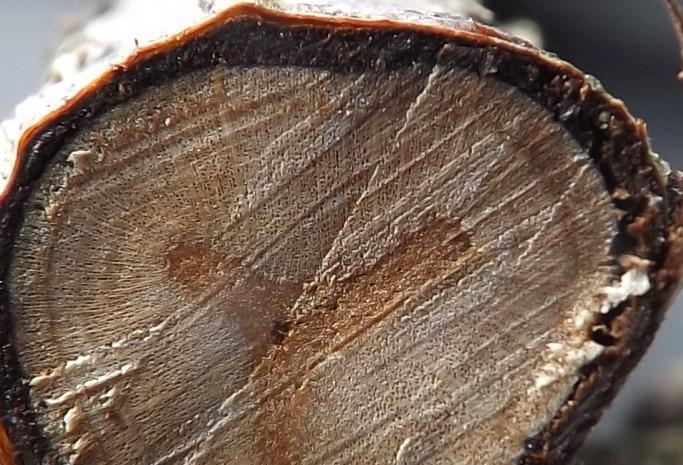
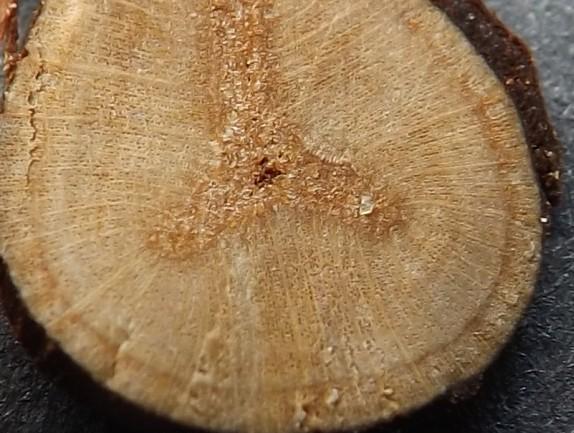
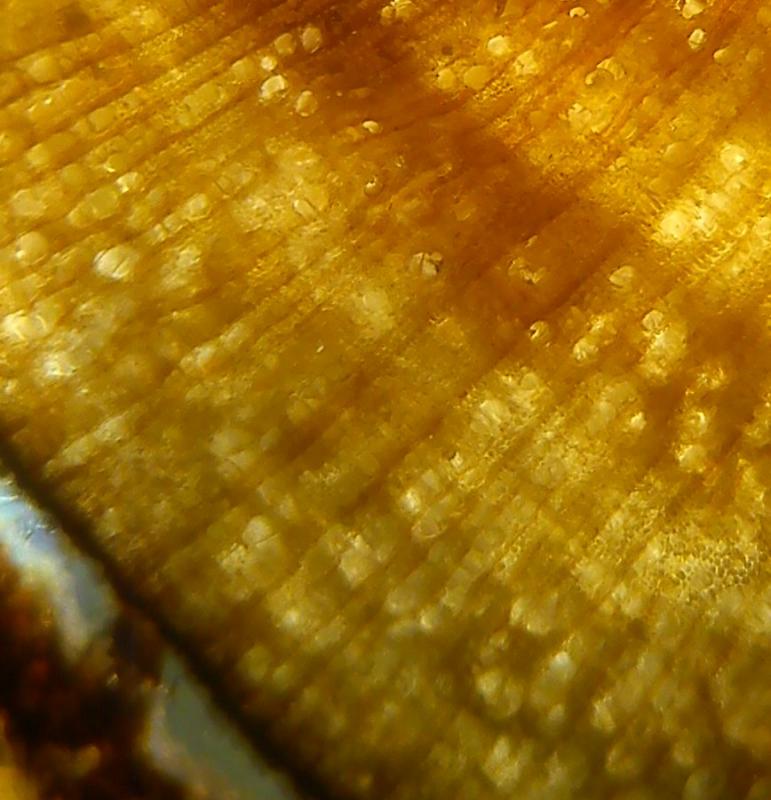
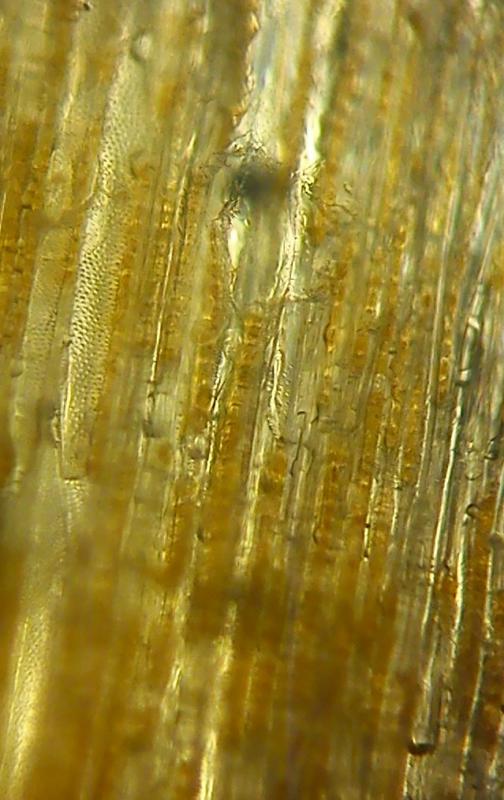
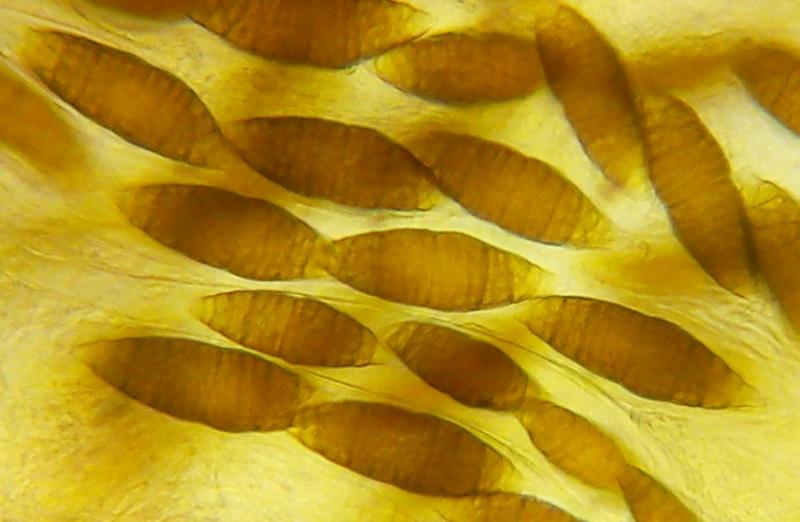
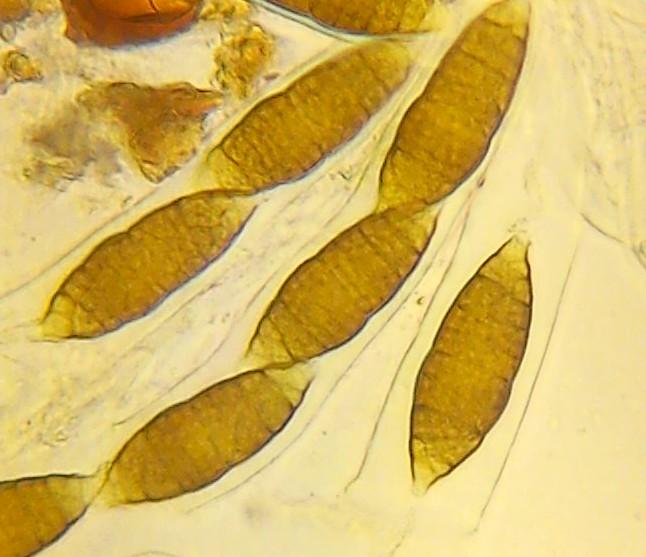
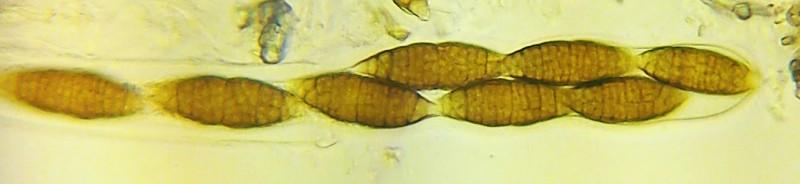
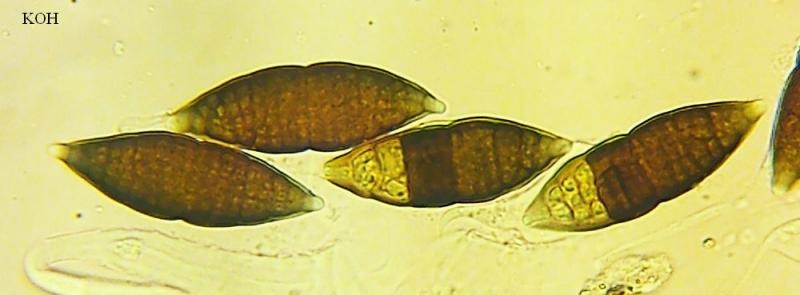
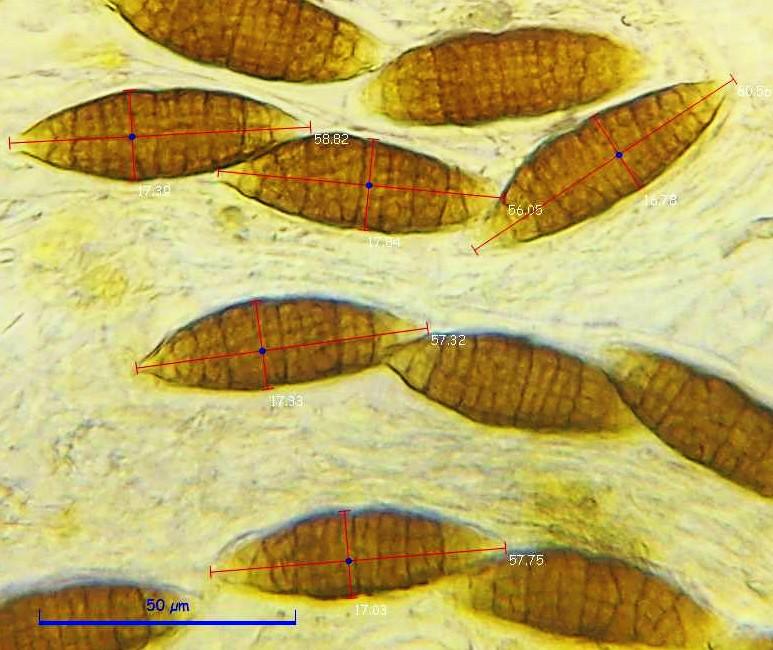
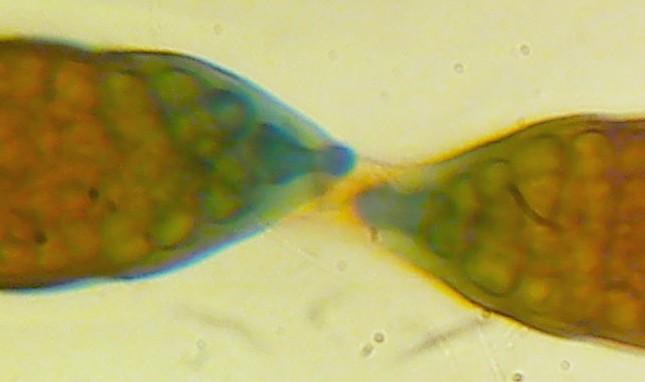

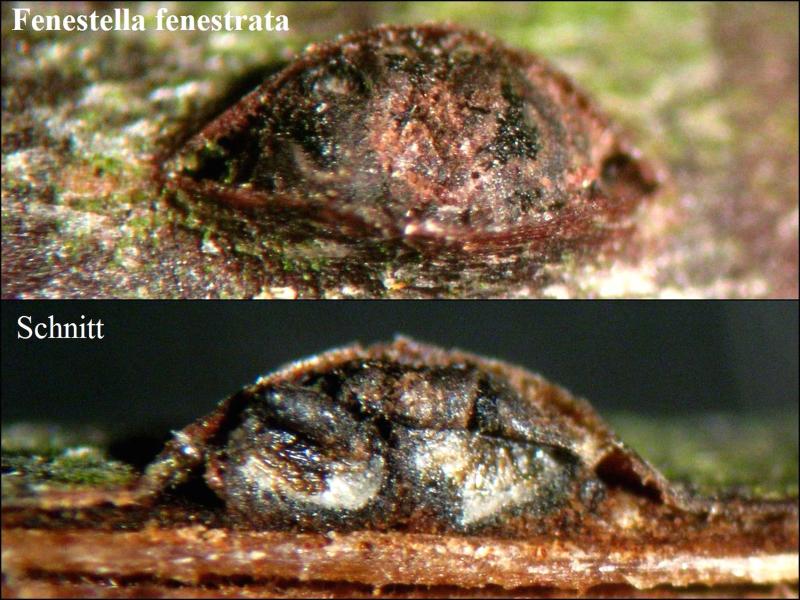
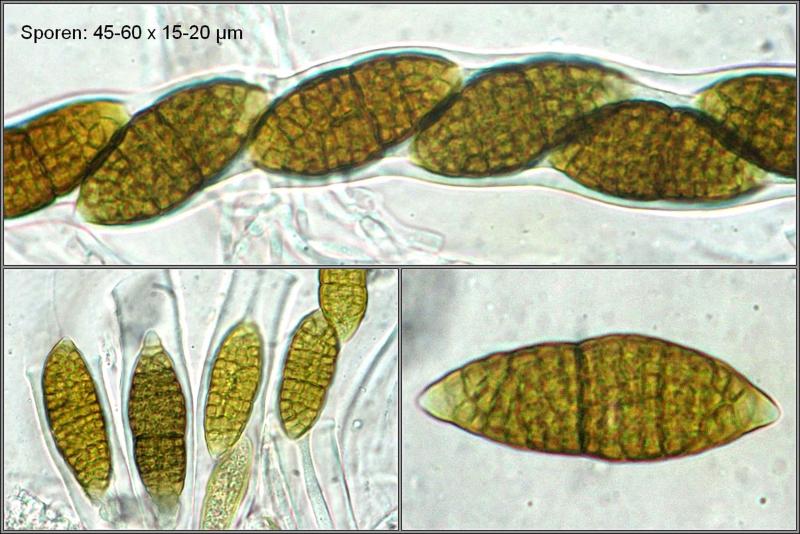
Both macroscopic and spores are very similar so I think you're right about the genre.
I did not know this species so far, I read a little about him in the literature to get more data, although it will only be pure formality because your type is very likely :)
thank you very much
Mirek

I'm not sure if the silver epidermis is ok for it, but Alnus has such a triangular pith.
Viktorie


Hi,
And perhaps could Norbert check the one on Quercus to compare to F. parafenestrata ?
Hermann, when we meet a such fungus on Quercus, is it possible to distinguish F. fenestrata end F. parafenestrata basing to morphology ?
All the best,
Alain
Yesterday evening I read the article indicated by Alain and I came to the conclusion that this must actually be F. Fenestrata.
However, she wondered the small width of spores in my collection Although the author of the quoted publication mentioned that the collections were studied strongly mature.
The comments contained in the article indicated by Hermann, explain my fears. It follows that the width of spores varies significantly depending on the tested collection. In that case, the width of my spores is within the right range.
Once again, thank you very much and greetings to all.
Mirek
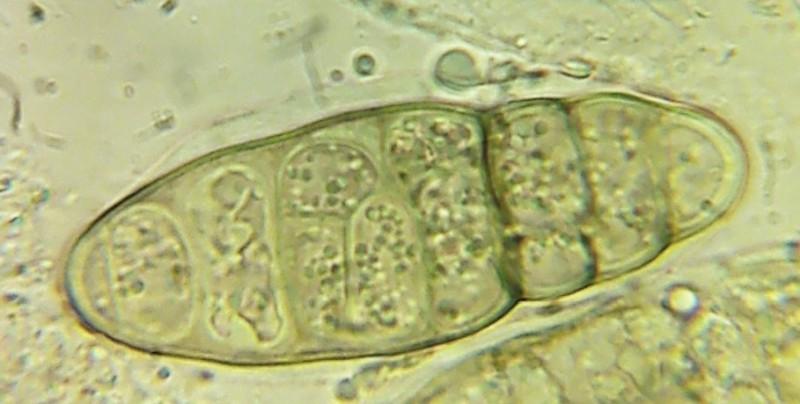
I'm coming back to the topic because a few days ago I found a very similar fungus but on another substrate and with a bit other spores. I do not assume a new thread because the collection is very weak, so I did not even do good photos. They grew on the Carpinus betulus. Spores of the size match Fenestella parafenestrata but I have not heard about this genre on Caprinus. Similar, but slightly smaller spores have F. media that occurs on such a substrate.
Apicule on spores occur rare.
Spores:
(46.7) 46.74 - 50.7 × (15.8) 15.85 - 18.7 µm.
Maybe someone with a greater experience will share an opinion with me?
greetings
Mirek
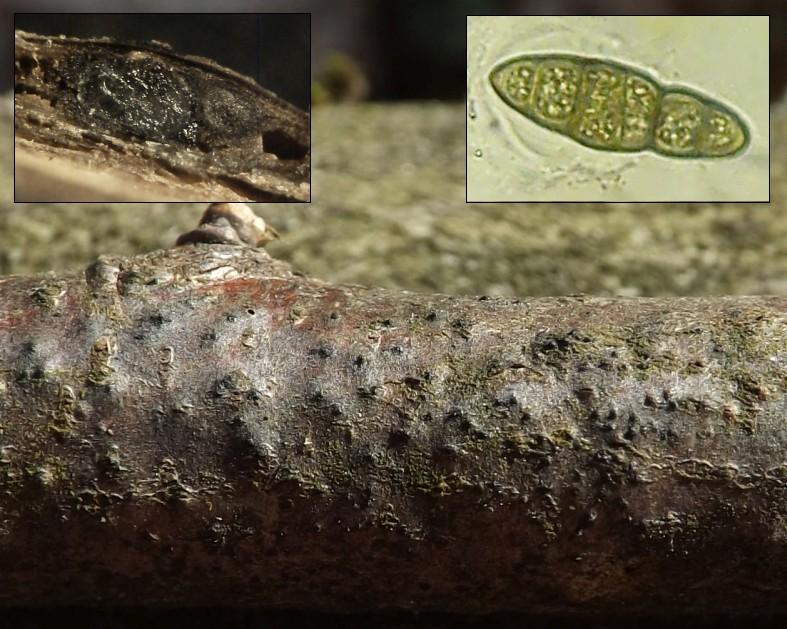
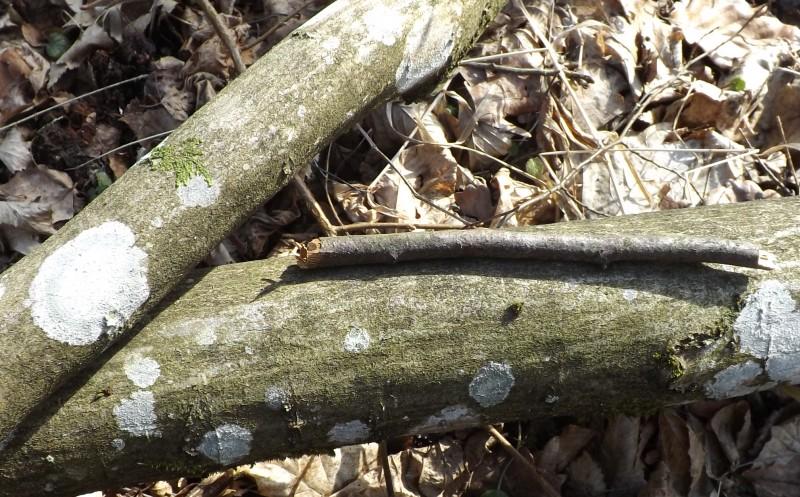
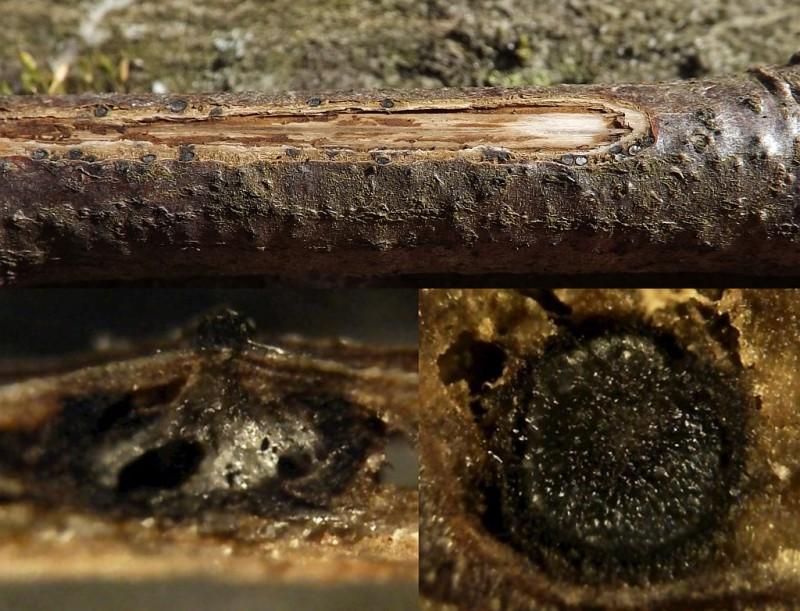
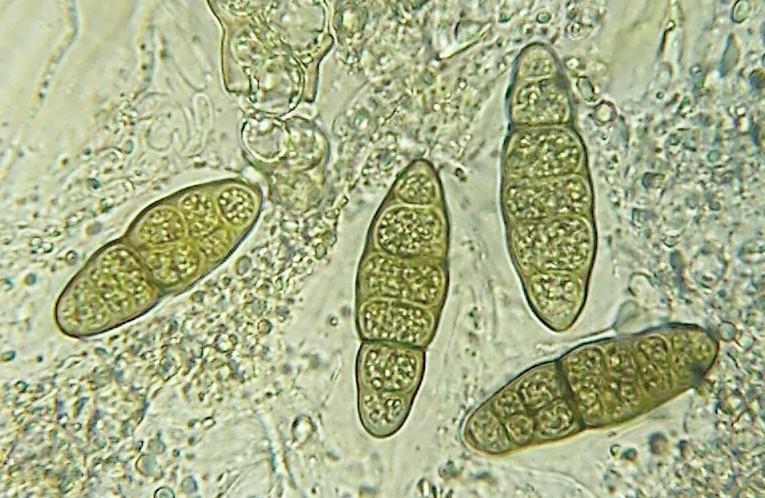
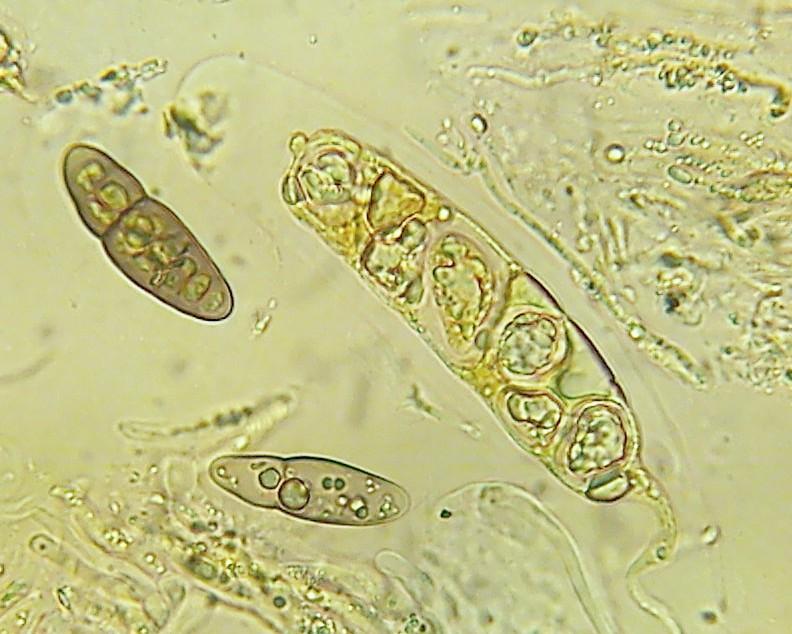
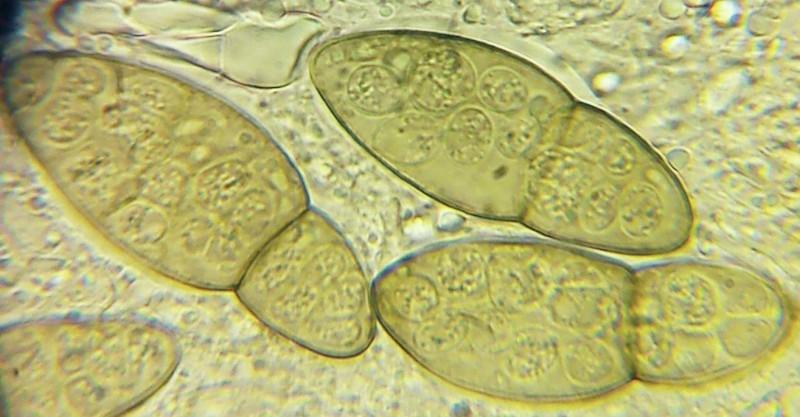
It's again an unknown species.
A horrible lot of very similar species.
Thank you for identification!
greetings
Mirek