24-03-2026 19:59
 William Slosse
Hello everyone,On 23/03/26, I found the following
21-03-2026 15:13
Lepista ZacariasHello everyone, Does any one know of any literatu
23-03-2026 20:16
 Miguel Ángel Ribes
Good eveningI'm unable to identify this Coprotus o
24-03-2026 15:44
Åge OterhalsI hope someone can confirm the name of this collec

20-10-2017 09:23
Garcia SusanaEste otro crecía en el mismo trocito de madera qu
20-03-2026 16:16
 Edvin Johannesen
These 0.5 mm diam. acervuli were breaking through
Cheilymenia granulata
Joop van der Lee,
23-12-2021 18:18
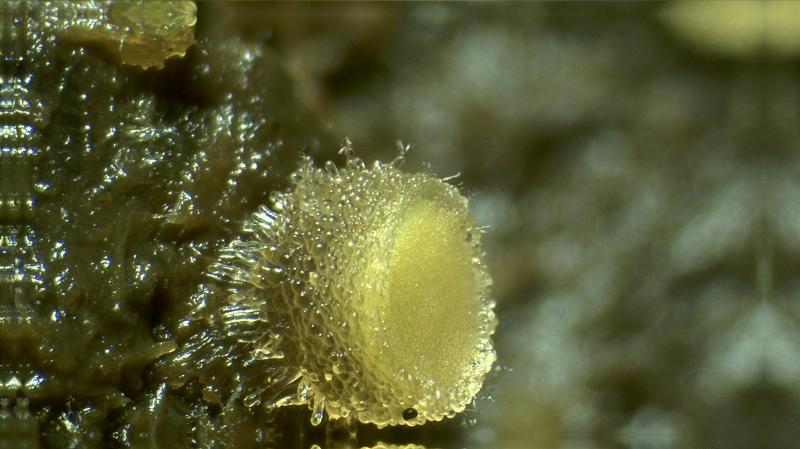
 Found on cow dung
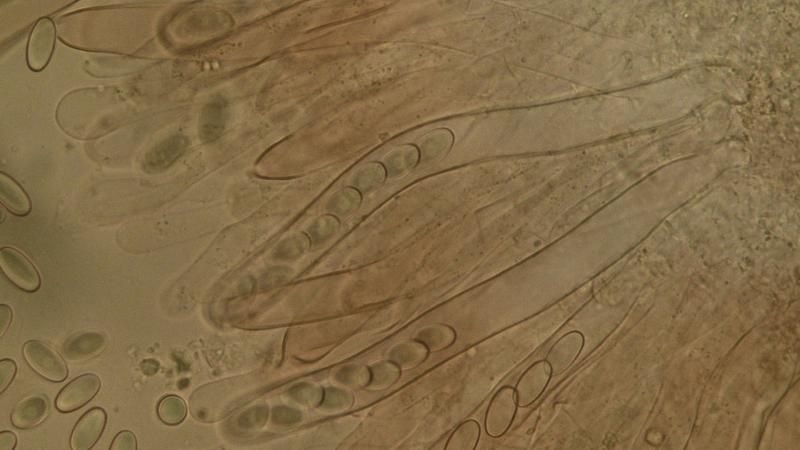
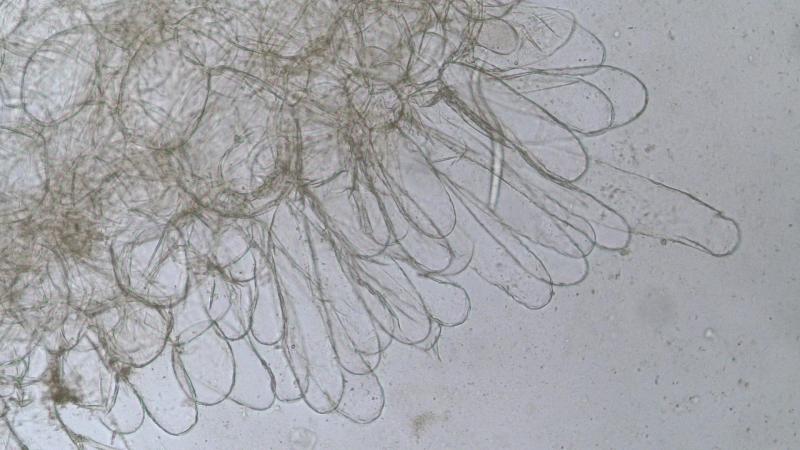
Apothecia: Starting as a cup form completely surrounded by global cells. Opening up when getting mature to form a flat top holding the asci and paraphyses responsible for the orange colour. 975 um in diameter including cells on the edge.
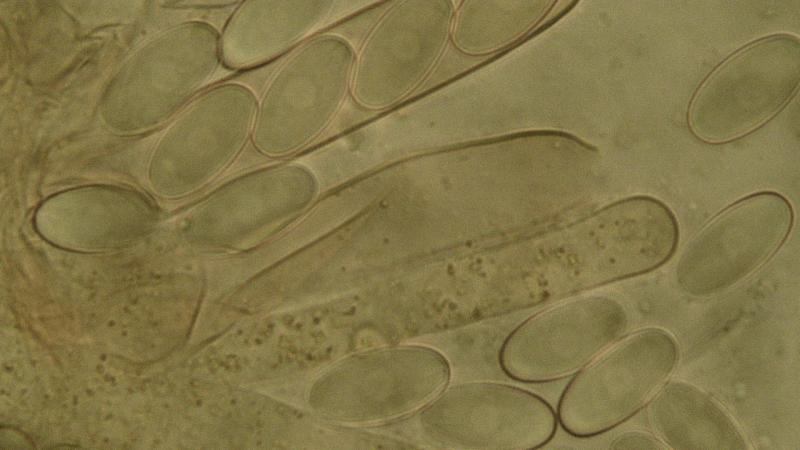
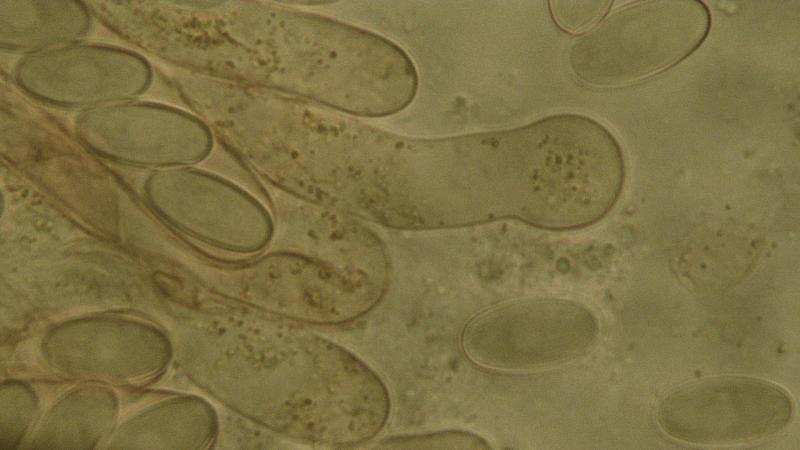
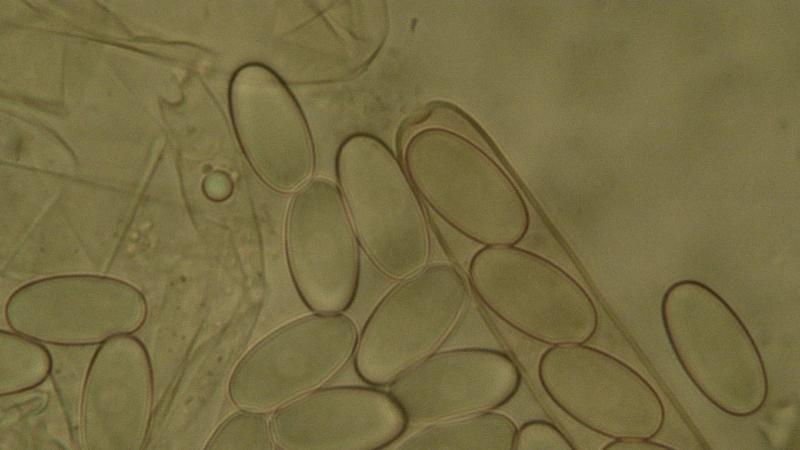
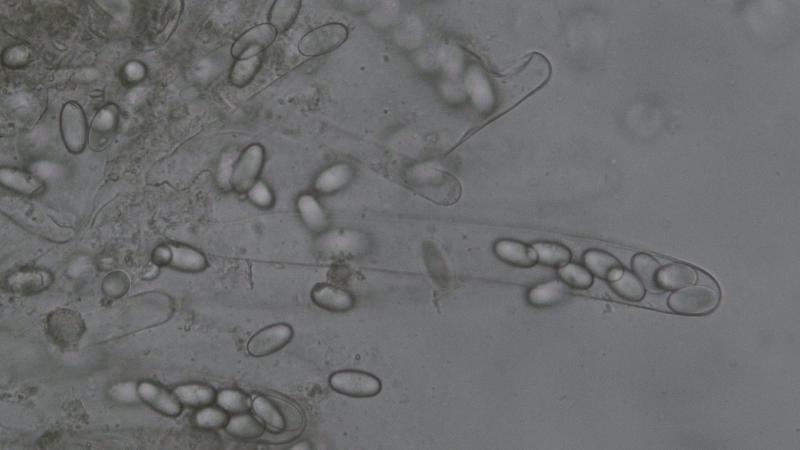
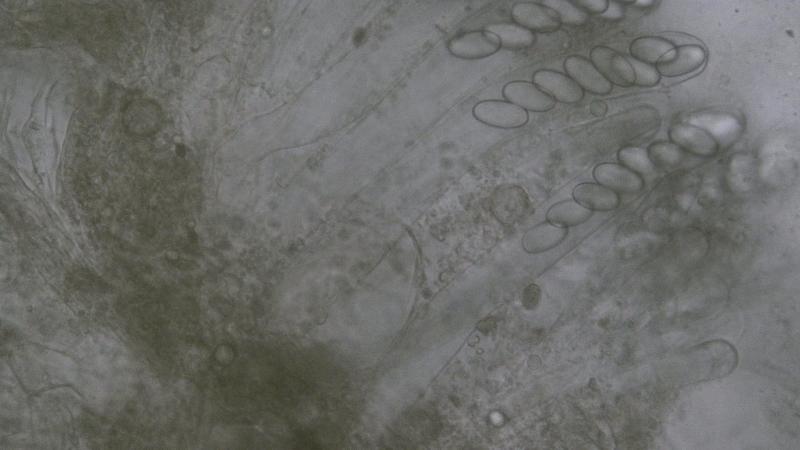
Asci: 8-spored; with a short stalk; 157x16 um
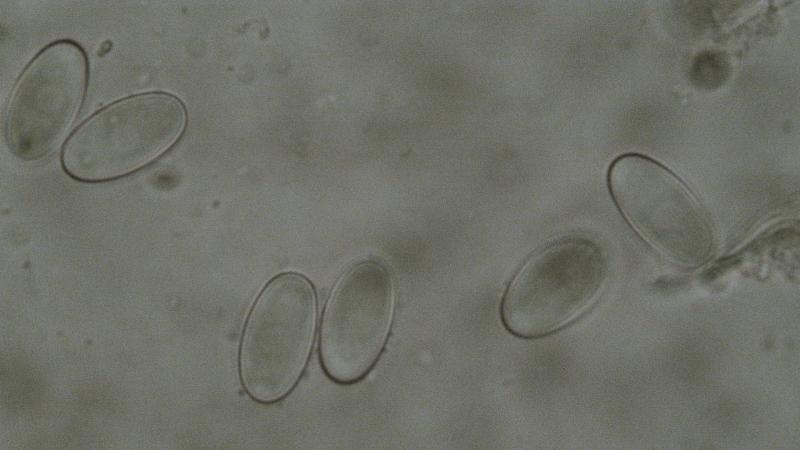
Spores: uniseriate; oval; 14.0-15.5x7.7-8.2
Paraphyses: septated; 7.1 um; top expanding to 12.3 um
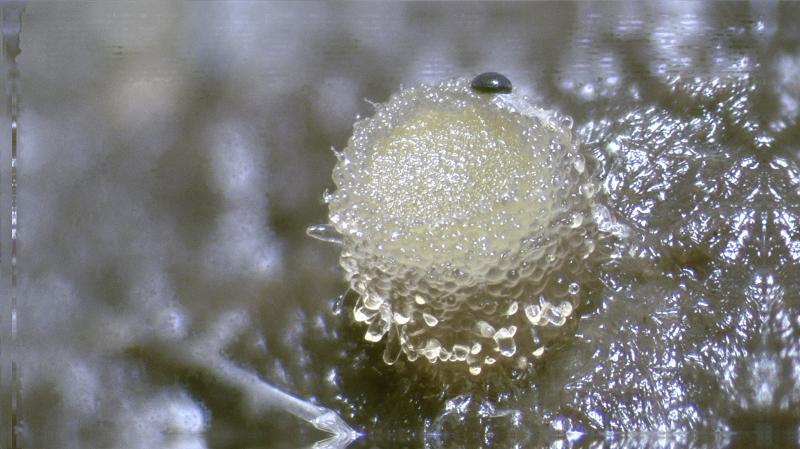
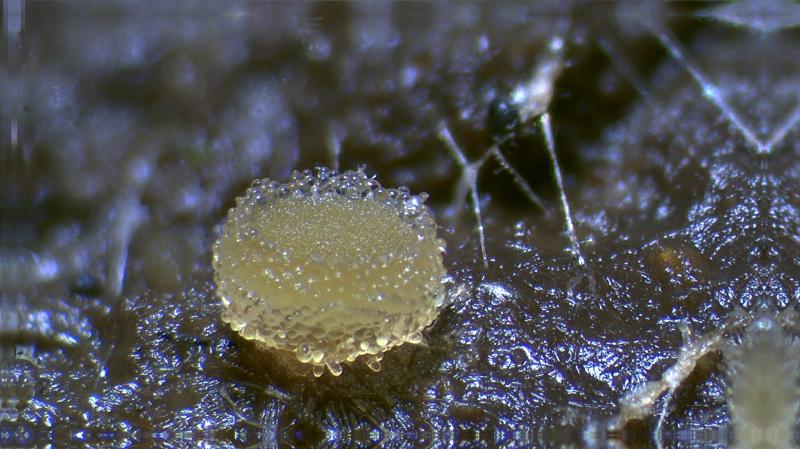
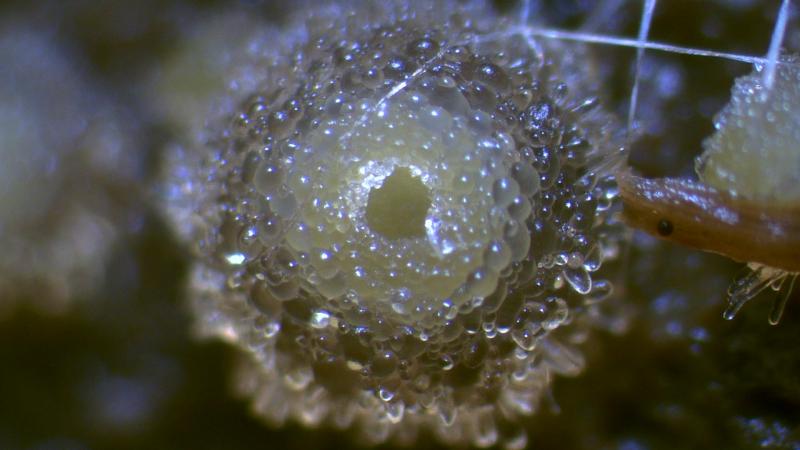
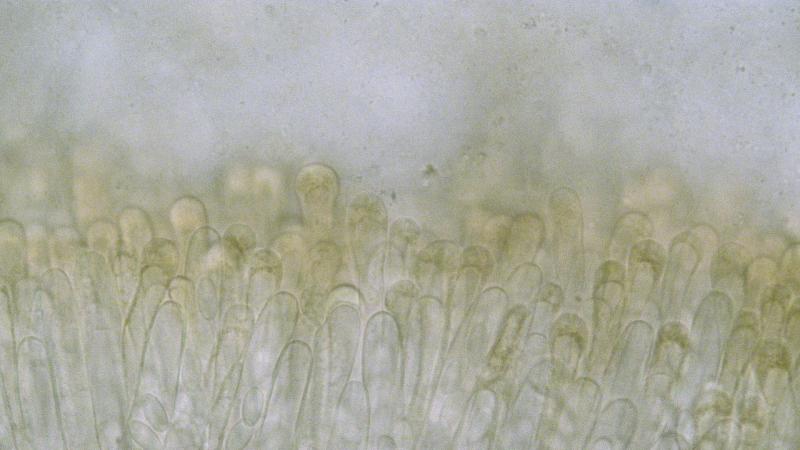
Peter Püwert,
23-12-2021 18:32

Re : Unknwon asco
Hi Joop, probable Cheilymenia granulata s.l., unripe.
Regards Peter.
Joop van der Lee,
24-12-2021 09:46
Re : Unknwon asco
Hallo Peter,
Vielen dank und ich wünsche dir frohe Weihnachten und ein glückliches aber vor allem gesundes 2022.
Joop
Joop van der Lee,
29-12-2021 08:02
Re : Unknwon asco
Hello Peter,
I have been examining some more (mature) species and as far as I can see now there is not much difference in measurement of spores and asci in comparison with the previous ones.
I checked the species in water, cotton blue and in congo red so I would not overlook any difference.
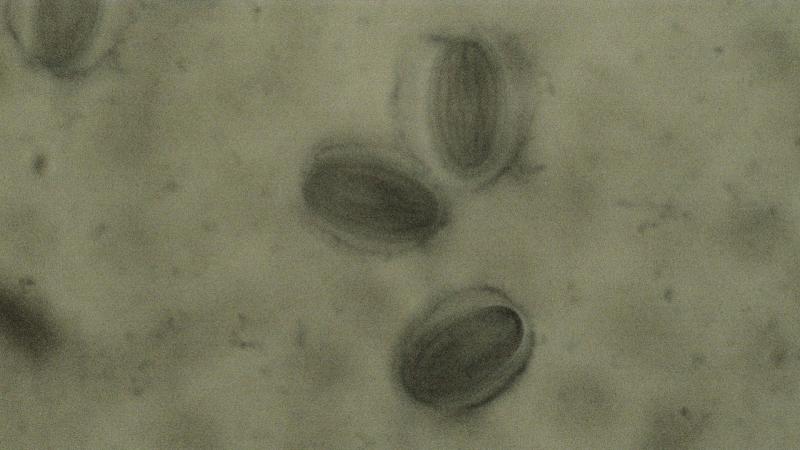
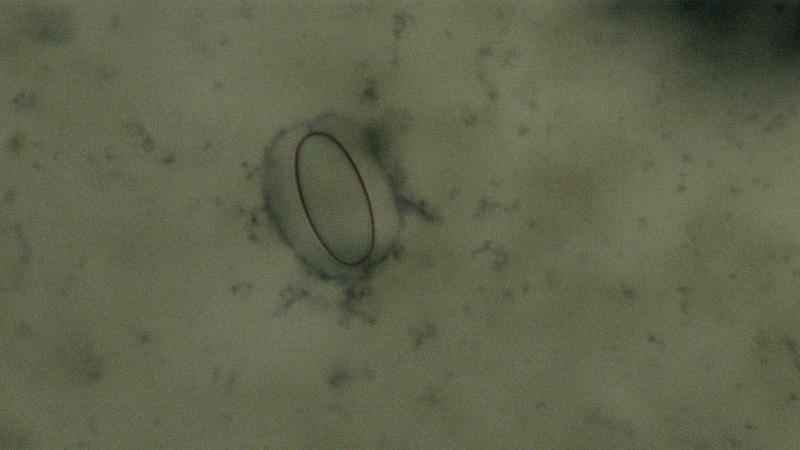
In cotton blue I noticed the presence of very fine longitudinal striations which were hardly visible and a sheath surrounding the spores.
This sheath was not visible in water and congo red.
Also better photo's of paraphyses and hyphen
In contradiction with the world monograph of the genus by Morovec there are no more variations of C. granulata and in general it is indicated as C. granulata (see Species Fungorum)
Greetings,
Joop
I have been examining some more (mature) species and as far as I can see now there is not much difference in measurement of spores and asci in comparison with the previous ones.
I checked the species in water, cotton blue and in congo red so I would not overlook any difference.
In cotton blue I noticed the presence of very fine longitudinal striations which were hardly visible and a sheath surrounding the spores.
This sheath was not visible in water and congo red.
Also better photo's of paraphyses and hyphen
In contradiction with the world monograph of the genus by Morovec there are no more variations of C. granulata and in general it is indicated as C. granulata (see Species Fungorum)
Greetings,
Joop