
20-05-2026 12:57
 Ingo Ibelshäuser
Hello everybody, on decayed hardwood e.g. Quercus
20-05-2026 20:08
 Andreas Millinger
Good evening,another quite distinctive find from M
20-05-2026 21:49
Margot en Geert VullingsWe found this Lachnum on Juncus stems mown last ye
20-05-2026 17:47
Margot en Geert VullingsWe found this Mollisia on dead Juncus stems mown l
22-04-2026 20:54
 Enrique Rubio
Hi to everybody.This Pyrenopeziza grew in moist le

19-05-2026 12:55
 Hardware Tony
After checking Gminder and Otto's library I cannot
19-05-2026 10:27
Patrice TANCHAUDBonjour, récolte récente sur terre retournée i
Rutstroemia?...
Jean Pierre Dechaume,
18-05-2009 19:10
 Chers amis,
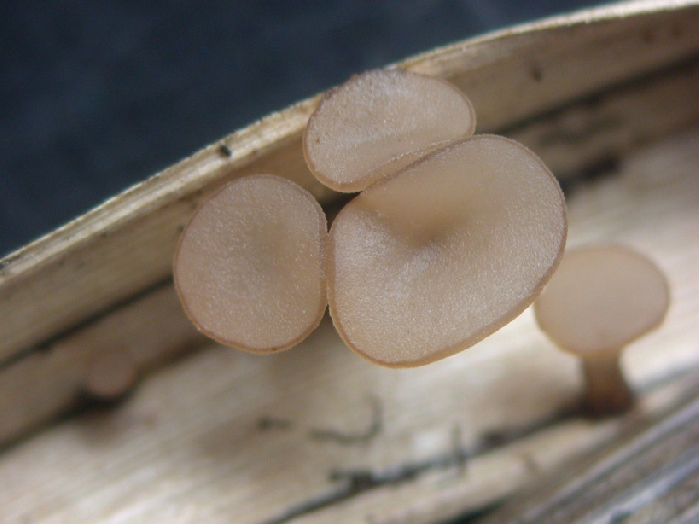
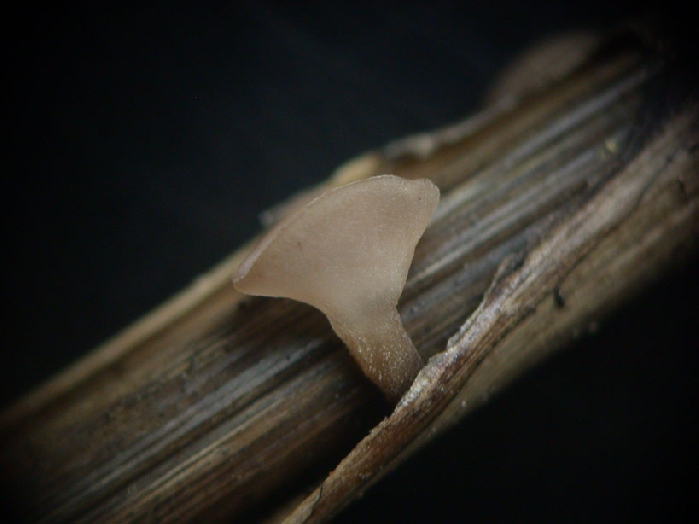
Sur feuilles de Carex, trouvé une douzaine d'ex de ce champignon, 3-4-8mm de diam, avec un stipe qui peut dépasser le diam du chapeau.
Base du pied plus foncée, pied duveteux.
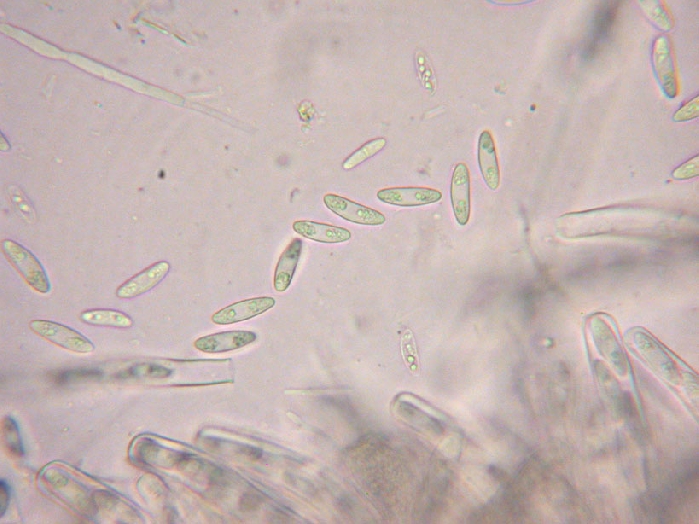
Spores avec goutellettes groupées et ou 2 plus grandes. 16-17 x 5 microns
Paraphyses bêtes, à peine élargies, qcfois ramifiées.
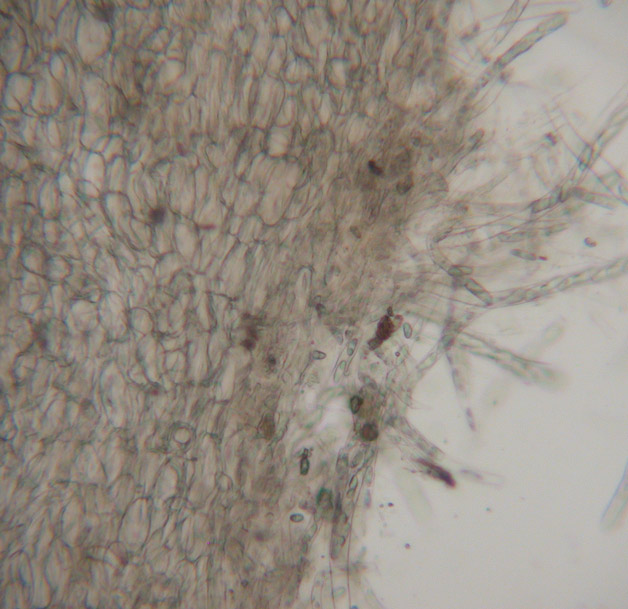
Excipulum à textura intricata?
Nous pensions à Rutstroemia calopus = paludosa de H O Baral.
Et vous?
Merci d'avance à ceux qui savent.
jean pierre
Jean Pierre Dechaume,
18-05-2009 19:11
Re:Rutstroemia?...
suite
Jean Pierre Dechaume,
18-05-2009 19:11
Re:Rutstroemia?...
micro
Jean Pierre Dechaume,
18-05-2009 19:11
Re:Rutstroemia?...
suite
Hans-Otto Baral,
18-05-2009 21:42

Re:Rutstroemia?...
The excipulum looks prismatic, not intricata. This is not untypical for R. paludosa/calopus. This species is somewhat variable, comprising also specimens with a gelatinized ectal excipulum. If you keep it fresh for some days, the spores will get 3-septate and globose conidia will develop on them.
Did you look at the ascus base? The asci are usually with croziers in this species, but last year I received a specimen on Typha: asci without croziers!
Zotto
Did you look at the ascus base? The asci are usually with croziers in this species, but last year I received a specimen on Typha: asci without croziers!
Zotto