
22-05-2026 14:44
 Lothar Krieglsteiner
in unripe condition citrine yellow, then soon fadi
26-05-2026 21:25
Dirk GerstnerHello everyone, I'm completely stumped by this li
25-05-2026 16:44
François BartholomeeusenHi forum members,During an excursion organised by
23-05-2026 11:44
 Charles Grapinet
Hello, I am having trouble identifying this copro
25-05-2026 16:35
 Bernard CLESSE
Bonjour à toutes et tous,J'ai trouvé récemment,
22-05-2026 13:29
Gernot FriebesHi,I am curious to hear your opinion on this mater
23-05-2026 18:57
Sylvie Le GoffBonjour à tousRécolté sur une branchette de Sal
22-05-2026 21:35
Steve ClementsBonjour, I expected this find on old wood on our
22-05-2026 18:12
Lothar Krieglsteiner
... in moist chamber from Portugal.As the fungus s
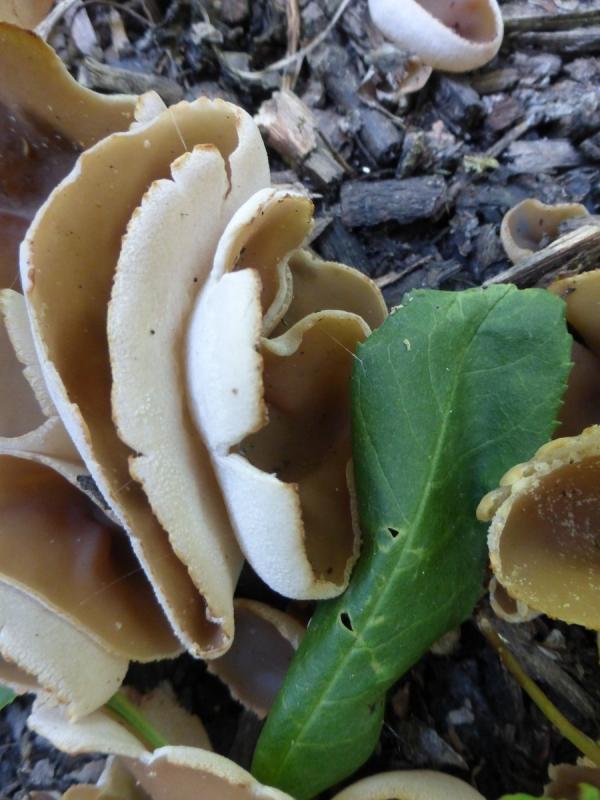
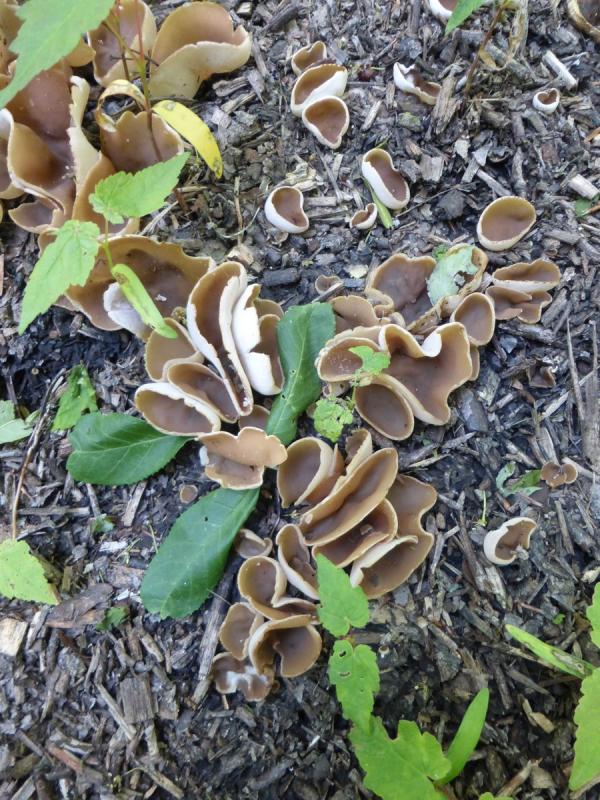
Can anyone help ID this Peziza please?
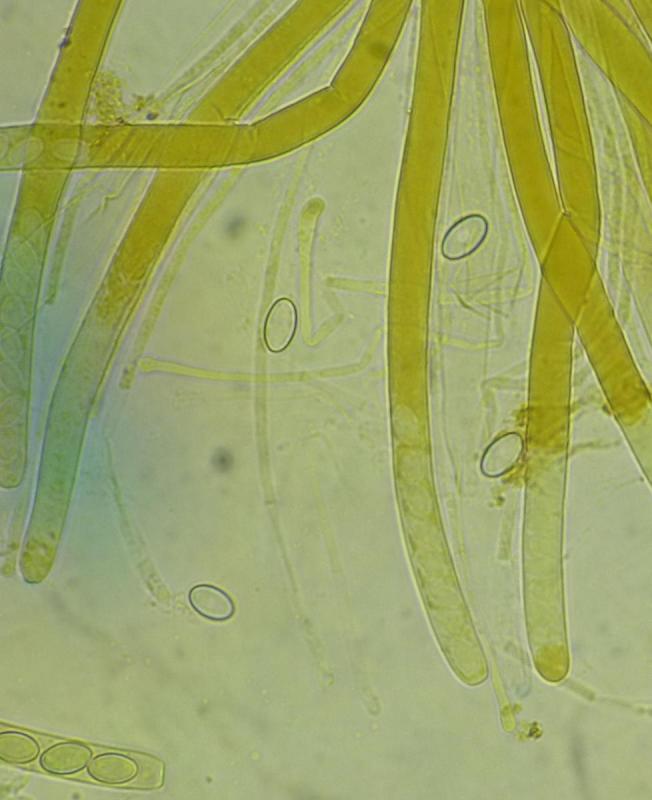
Spores are smooth 15-18 x 9-10µm. No guttules.
Asci only blue at very tip in Melzers.
Paraphyses slender, sparse and fragile. Simple, and septate with slightly inflated ends.
The brian Spooner key takes me to P.micropus, except these fruit bodies were very large (up to 150mm diameter)
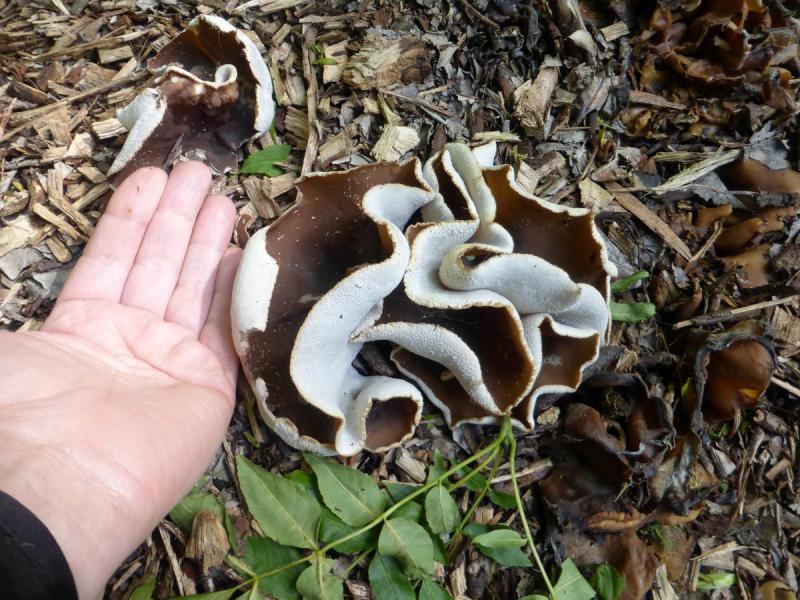
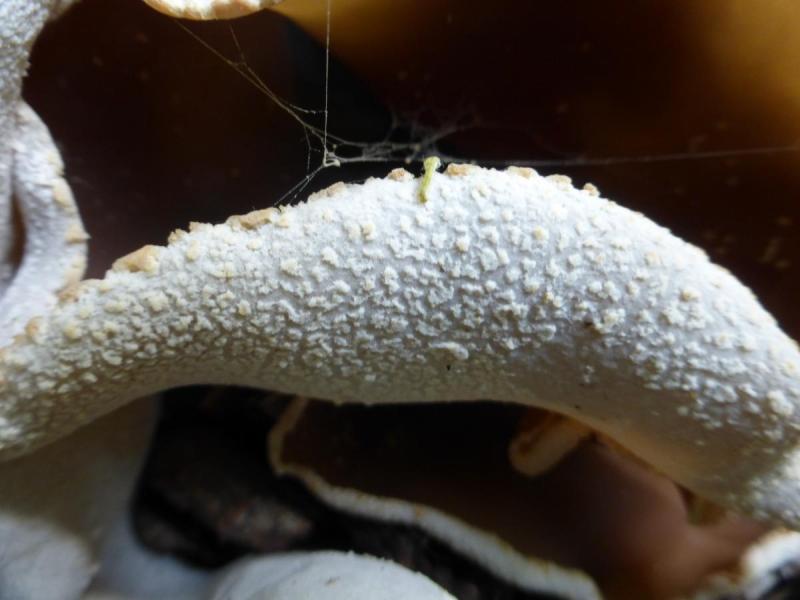
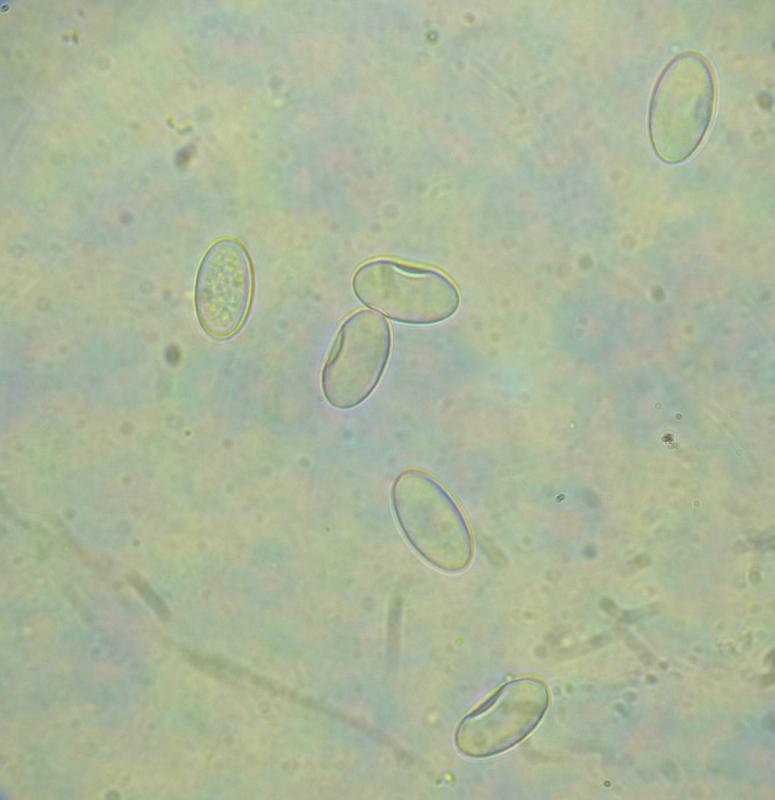
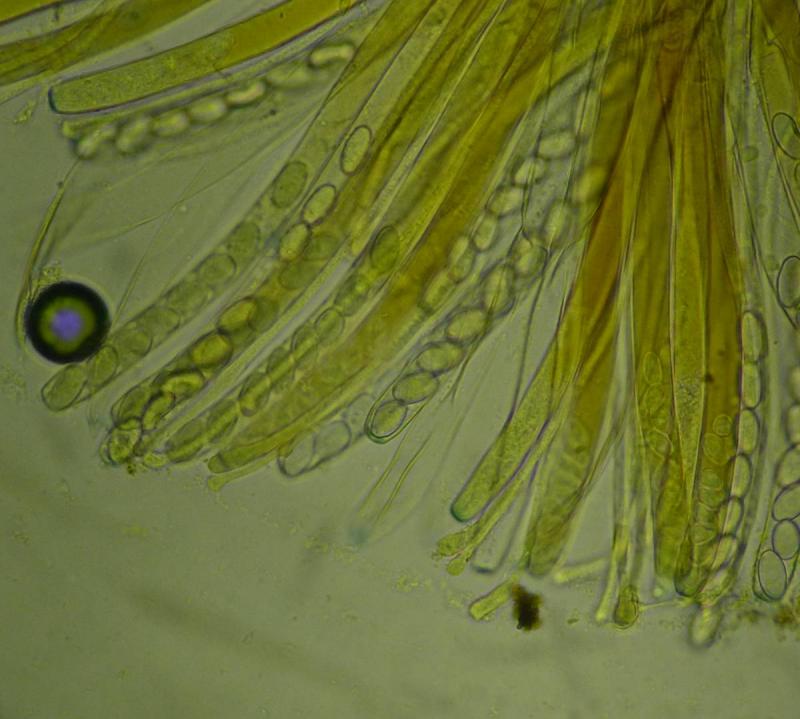


can you explain or tell me literature on the complex Varia - repanda, cerea incl. muralis and micropus are difficult to separate and maybe the same. Where can I learn more?
Regards from Lothar (I fear I am not fully actual here ...)

here is the link to Karen Hansen's publication
http://dash.harvard.edu/bitstream/handle/1/3153301/Pfister_PhylogeneticDiversityCore.pdf?sequence=1
François
thank you very much!
I always thought that it is highly arbitrary to divide the varia-complex. Very nice!
Best regards from Lothar
thank you very much!
I always thought that it is highly arbitrary to divide the varia-complex. Very nice!
Best regards from Lothar
.. yes, the "old" P. varia ss. str. was defined with moliniform paraphyses. But this character, as others, seems to be highly variable and influenced by environmental conditions.
Regards from Lothar