
21-03-2026 15:13
Lepista ZacariasHello everyone, Does any one know of any literatu
20-10-2017 09:23
Garcia SusanaEste otro crecía en el mismo trocito de madera qu
20-03-2026 16:16
 Edvin Johannesen
These 0.5 mm diam. acervuli were breaking through
19-03-2026 19:34
 Filip Fuljer
Hello everyone,a few days ago I collected this str
19-03-2026 18:25
 William Slosse
Good evening everyone, On 18/03/26 I found a few
17-03-2026 10:09
 François Freléchoux
Bonjour, Voici la description rapide d'un petit d
19-03-2026 17:50
 Enrique Rubio
Hi to everybodyThese thiny, blackish pseudothecia
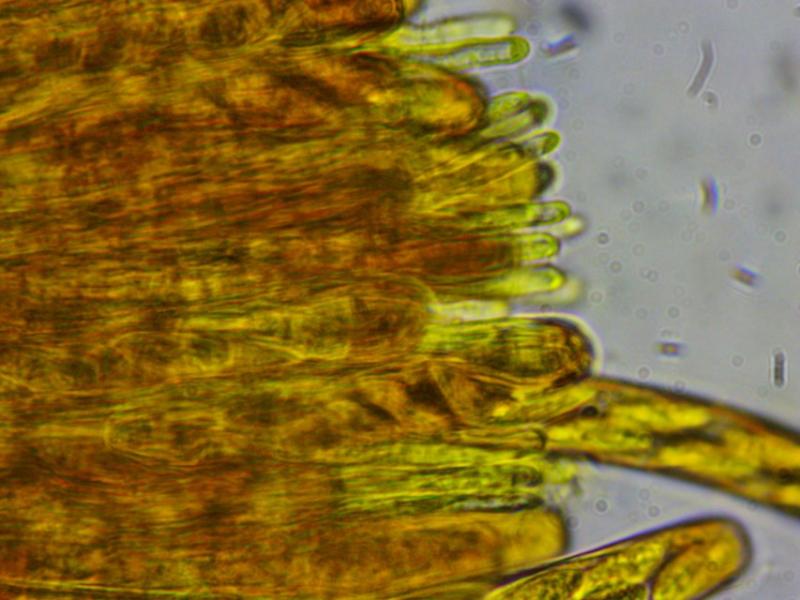
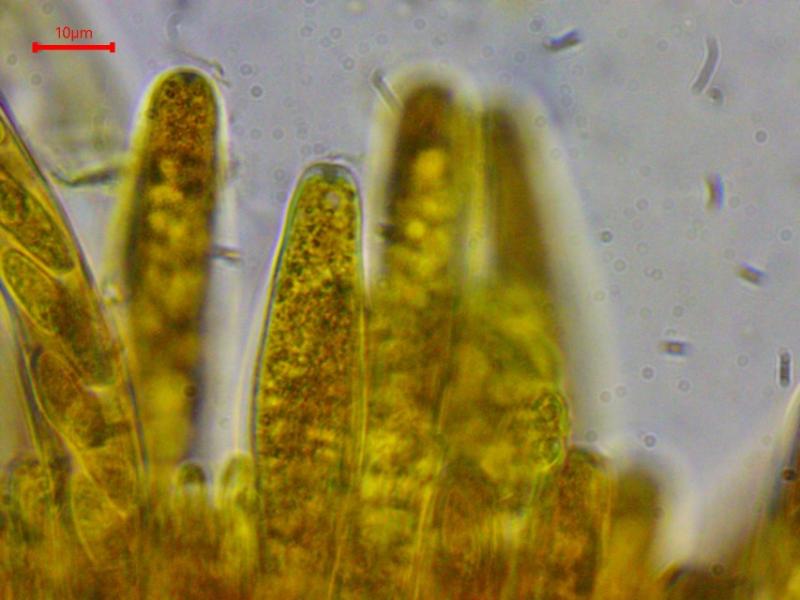
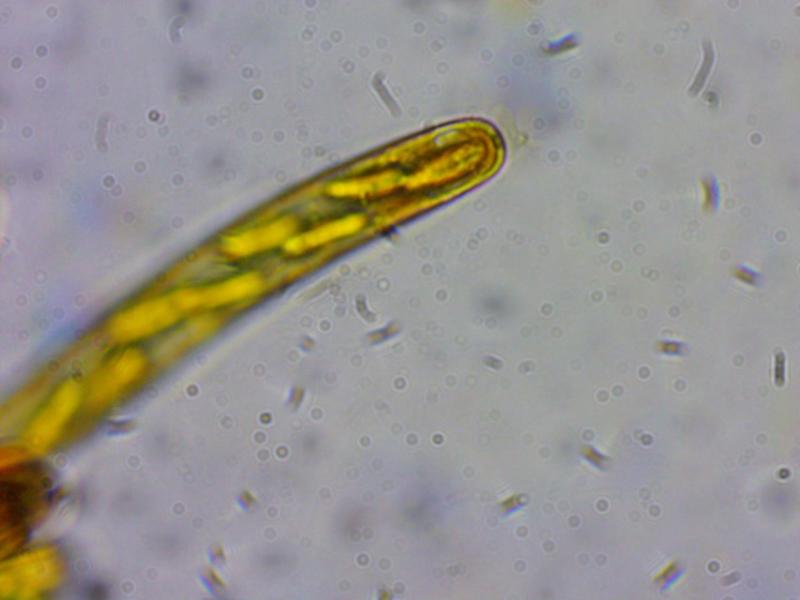
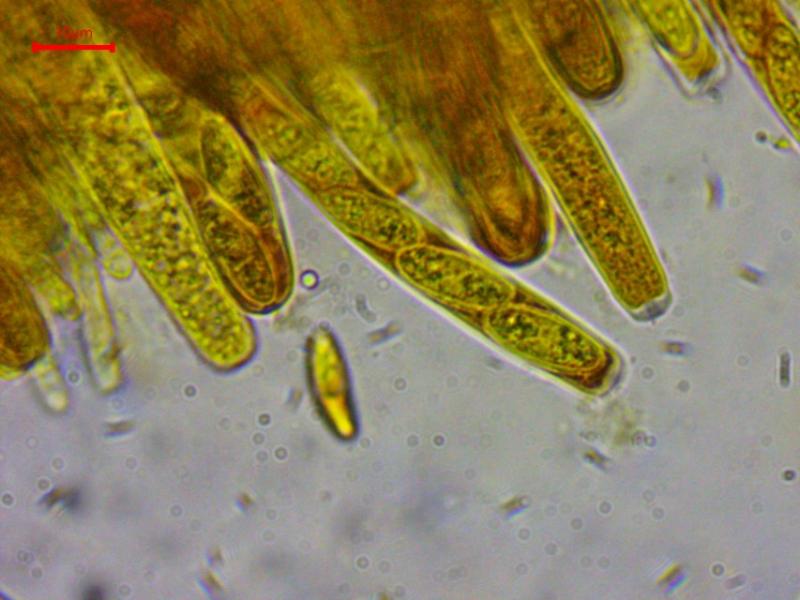
Rutstroemia calopus (paludosa) s.l. with hemiamyloid asci from Norway
Lothar Krieglsteiner,
01-12-2022 13:54
 ... found near Snasa, 3.7.22, on remains of Poaceae in a small acid marshy rivulet, between Sphagnum. The spores are about 14,5-18/5-5,5 µm large, croziers are present. What irritates me is that the IKI-reaction of the ascus porus is not clearly blue but more greyish-red. Does somebody know about such specimens?
Yours, Lothar

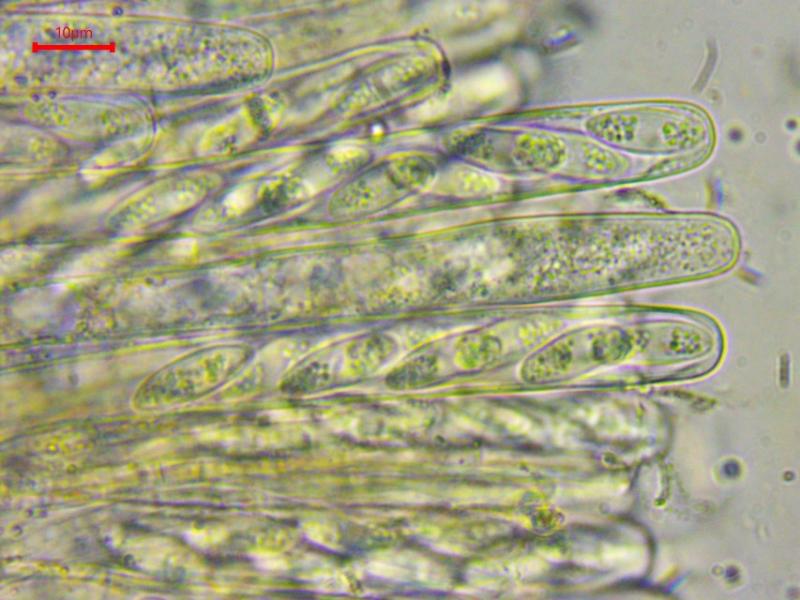
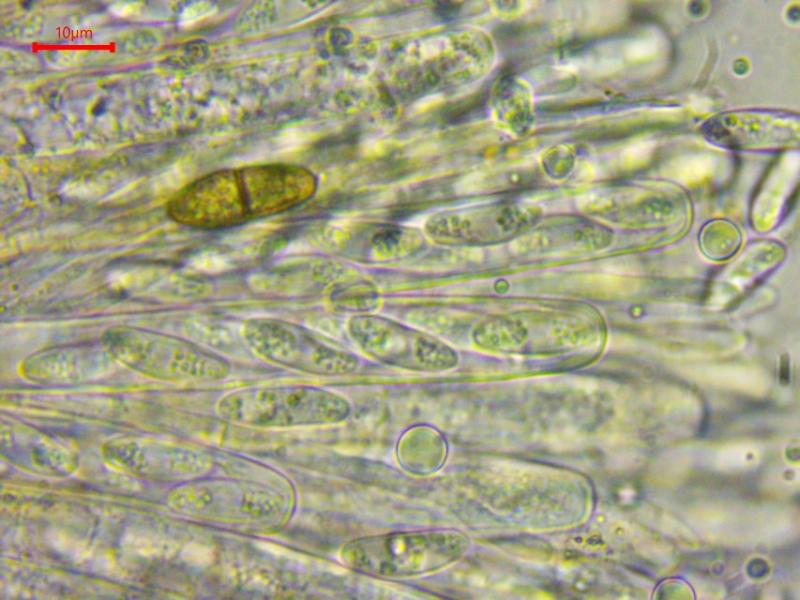
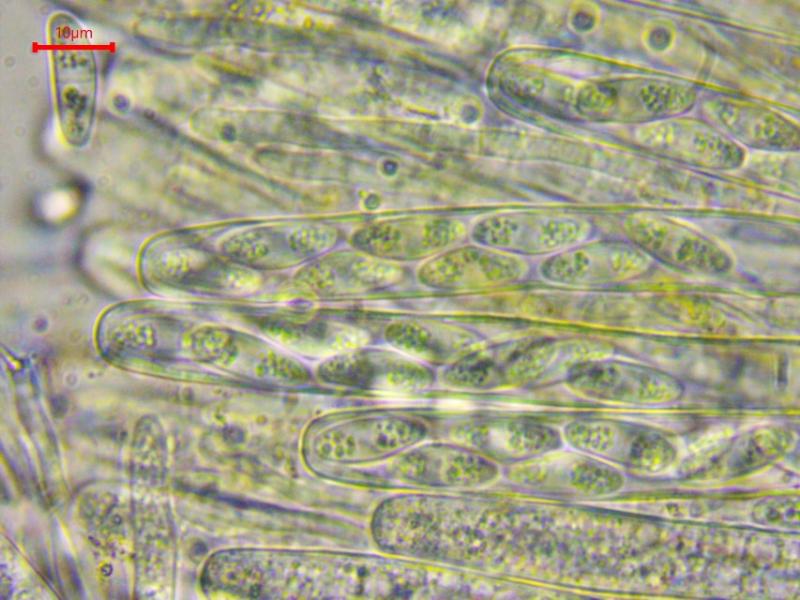
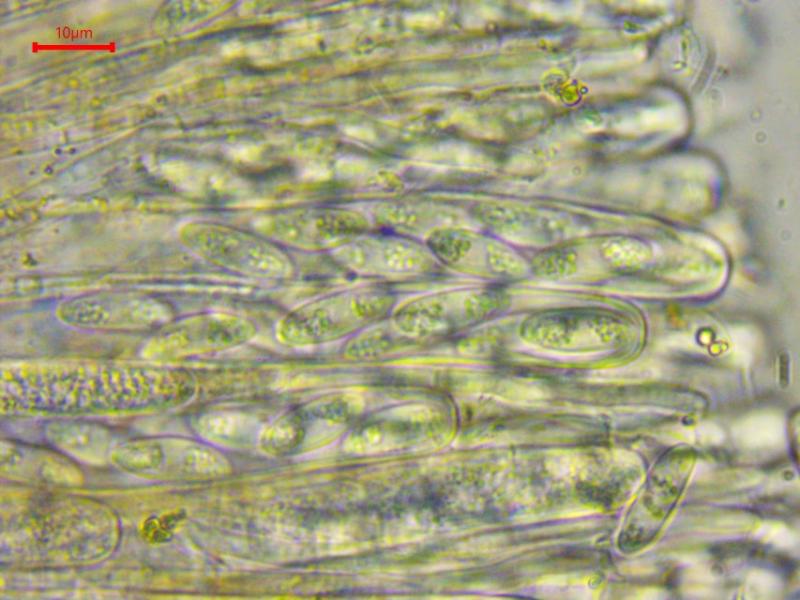
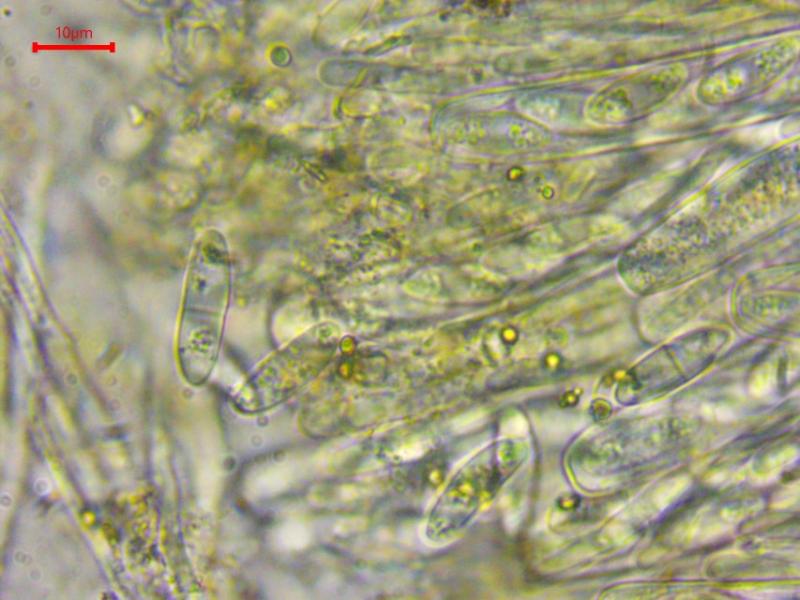
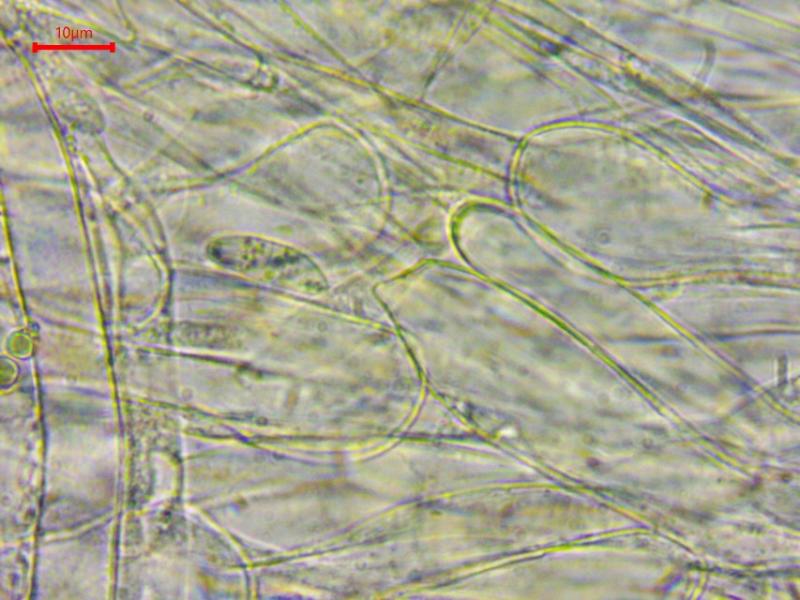
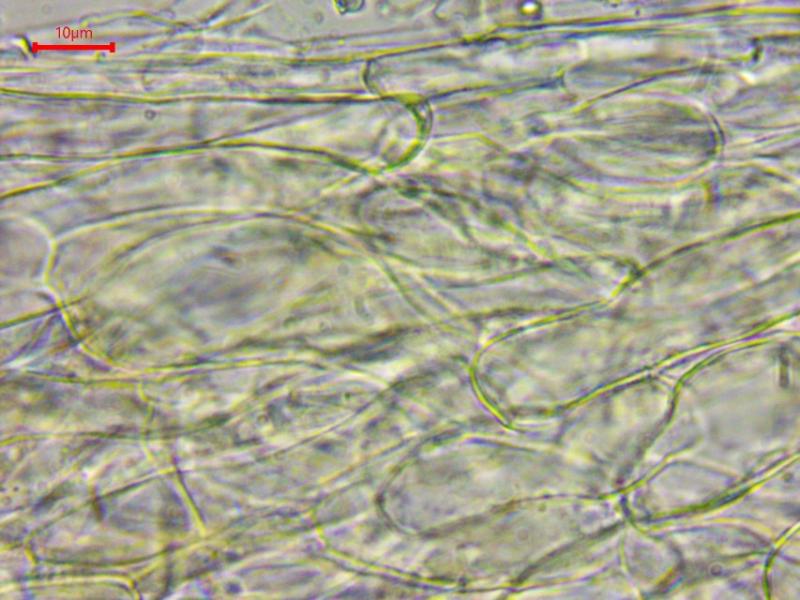
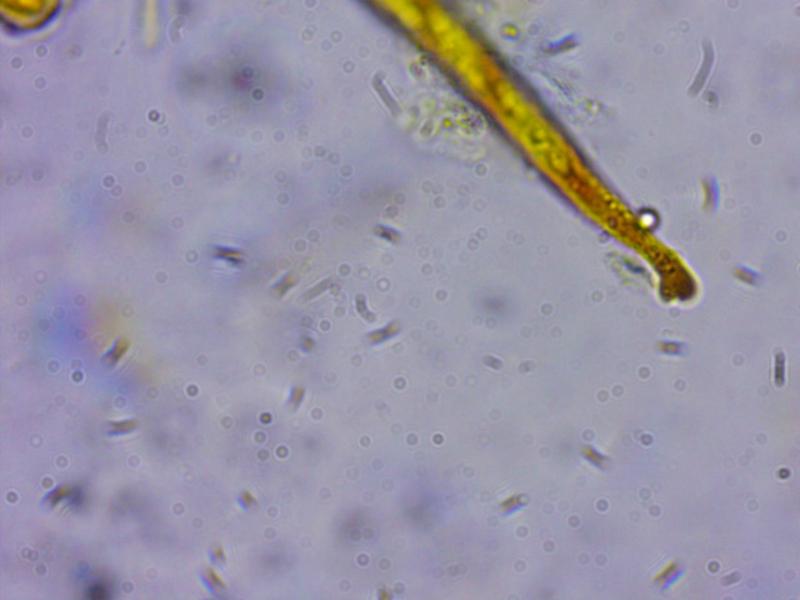
Enrique Rubio,
01-12-2022 14:01
Re : Rutstroemia calopus (paludosa) s.l. with hemiamyloid asci from Norway
You should make sure if it really has real croziers or just abortive croziers. And for them you need to see the ascigerous hyphae attached to the ascus and not unattached to it.
Lothar Krieglsteiner,
01-12-2022 14:15
Re : Rutstroemia calopus (paludosa) s.l. with hemiamyloid asci from Norway
Hello Enrique,
thanks for your suggestion. I think I have to re-examine this. But did you ever have spemines of these species with ascus reaction not eu-amyloid?
Yours, Lothar
thanks for your suggestion. I think I have to re-examine this. But did you ever have spemines of these species with ascus reaction not eu-amyloid?
Yours, Lothar
Lothar Krieglsteiner,
14-01-2023 19:07
Re : Rutstroemia calopus (paludosa) s.l. with hemiamyloid asci from Norway
Hello Enrique,
now I re-examined the specimen. Not so easy with this very long asci, but finally I found at least some true croziers at the ascus-base. So it should be R. calopus what fits to the substrate (Poaceae). Anyway it is a bit peculiar to have a hemiamyloid ascus pore here.
Yours, Lothar
now I re-examined the specimen. Not so easy with this very long asci, but finally I found at least some true croziers at the ascus-base. So it should be R. calopus what fits to the substrate (Poaceae). Anyway it is a bit peculiar to have a hemiamyloid ascus pore here.
Yours, Lothar
Lothar Krieglsteiner,
14-01-2023 19:07
Re : Rutstroemia calopus (paludosa) s.l. with hemiamyloid asci from Norway
Hello Enrique,
now I re-examined the specimen. Not so easy with this very long asci, but finally I found at least some true croziers at the ascus-base. So it should be R. calopus what fits to the substrate (Poaceae). Anyway it is a bit peculiar to have a hemiamyloid ascus pore here.
Yours, Lothar
now I re-examined the specimen. Not so easy with this very long asci, but finally I found at least some true croziers at the ascus-base. So it should be R. calopus what fits to the substrate (Poaceae). Anyway it is a bit peculiar to have a hemiamyloid ascus pore here.
Yours, Lothar
Lothar Krieglsteiner,
14-01-2023 19:07
Re : Rutstroemia calopus (paludosa) s.l. with hemiamyloid asci from Norway
Hello Enrique,
now I re-examined the specimen. Not so easy with this very long asci, but finally I found at least some true croziers at the ascus-base. So it should be R. calopus what fits to the substrate (Poaceae). Anyway it is a bit peculiar to have a hemiamyloid ascus pore here.
Yours, Lothar
now I re-examined the specimen. Not so easy with this very long asci, but finally I found at least some true croziers at the ascus-base. So it should be R. calopus what fits to the substrate (Poaceae). Anyway it is a bit peculiar to have a hemiamyloid ascus pore here.
Yours, Lothar