
20-10-2017 09:23
Garcia SusanaEste otro crecía en el mismo trocito de madera qu
20-03-2026 16:16
 Edvin Johannesen
These 0.5 mm diam. acervuli were breaking through
19-03-2026 19:34
 Filip Fuljer
Hello everyone,a few days ago I collected this str
19-03-2026 18:25
 William Slosse
Good evening everyone, On 18/03/26 I found a few
17-03-2026 10:09
 François Freléchoux
Bonjour, Voici la description rapide d'un petit d
19-03-2026 17:50
 Enrique Rubio
Hi to everybodyThese thiny, blackish pseudothecia
18-03-2026 13:09
 Khomenko Igor
I recently examined Celtis occidentalis branches
17-03-2026 19:41
 Bernard CLESSE
Bonsoir à toutes et tous,Pourriez-vous m'aider à
Coprophilus Hydropisphaera
Zuidland Peter,
28-04-2023 08:57
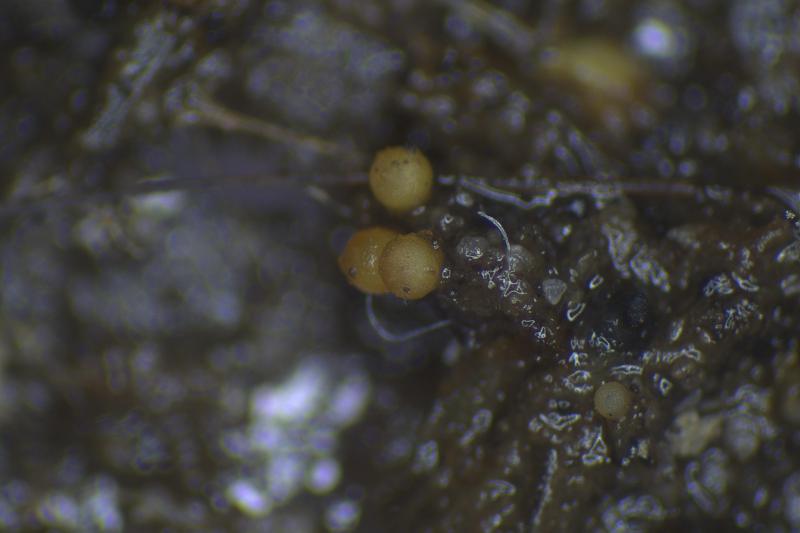
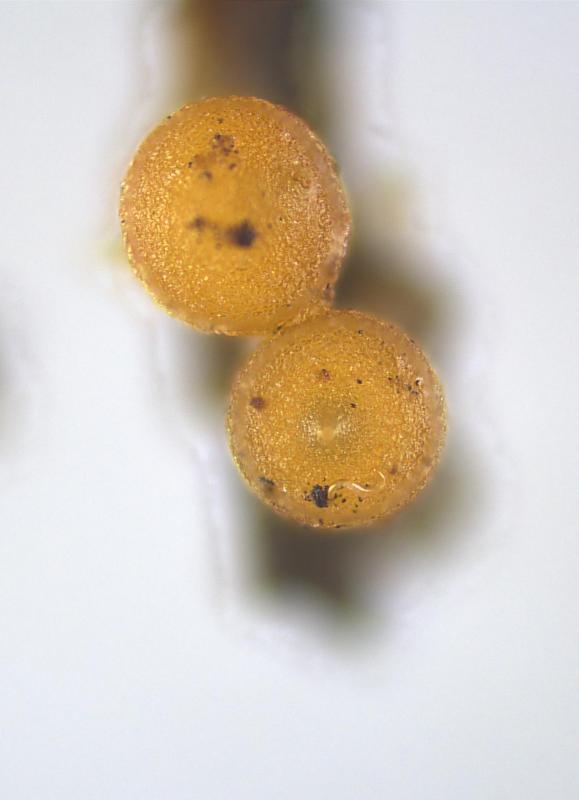
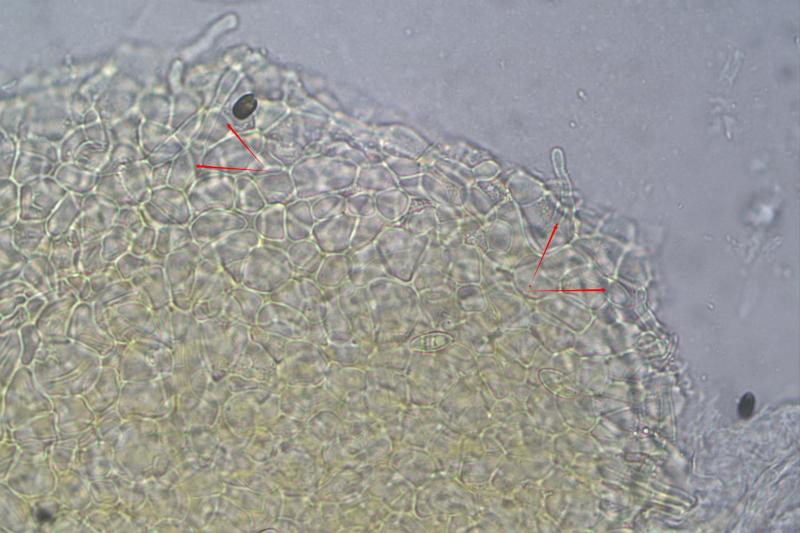
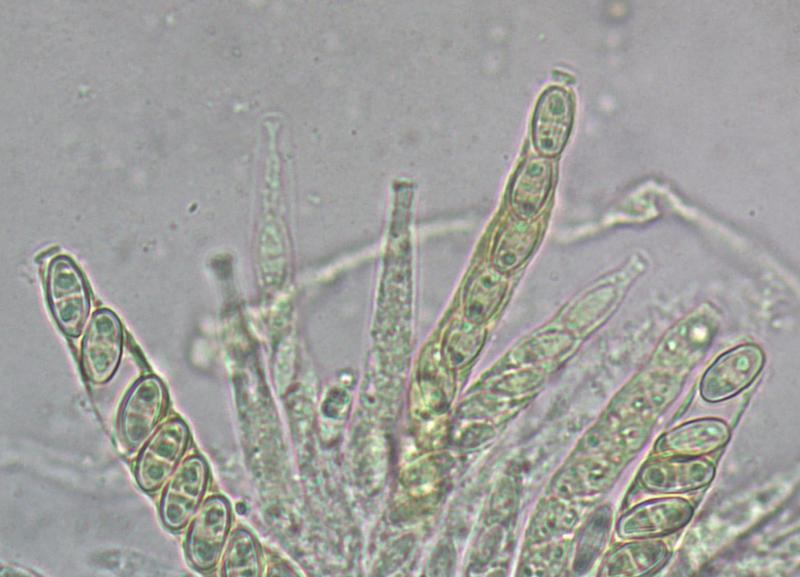
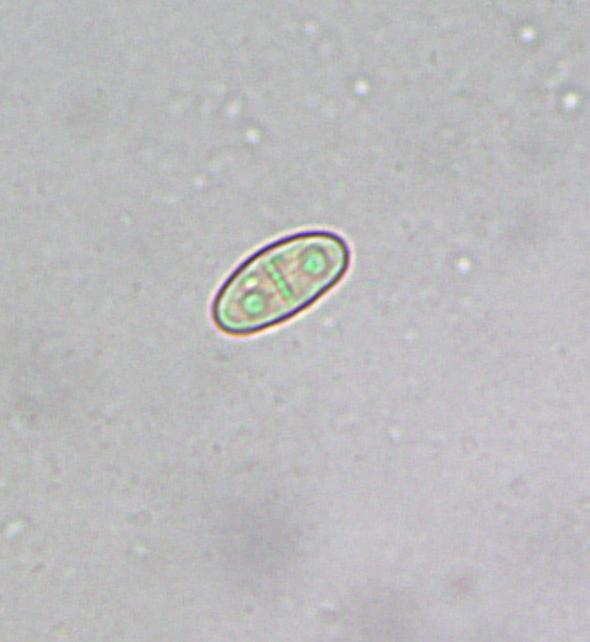
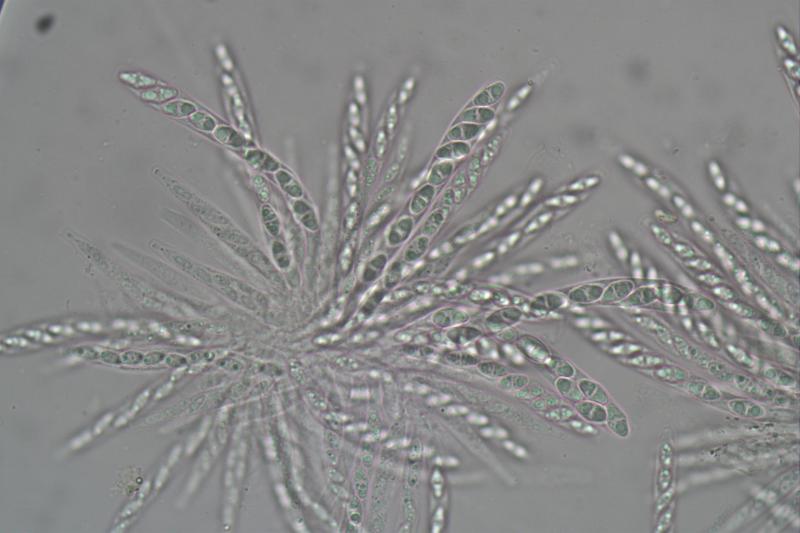
I have what I think is a Hydropisphaera growing on cow dung in a moist chamber; the only one that I can find near this is H.fungicola with single septa and striated spores within the spore size range but it grows on another fungi.
Keys in Lechat et al (2020) Ascomycete.org, 12 (2) : 39–46
Does anyone have experience with a coprophilus species in this genus?
SE Victoria, Australia
Again many thanks
peter
Norbert Heine,
29-04-2023 14:21

Re : Coprophilus Hydropisphaera
Hello Peter.
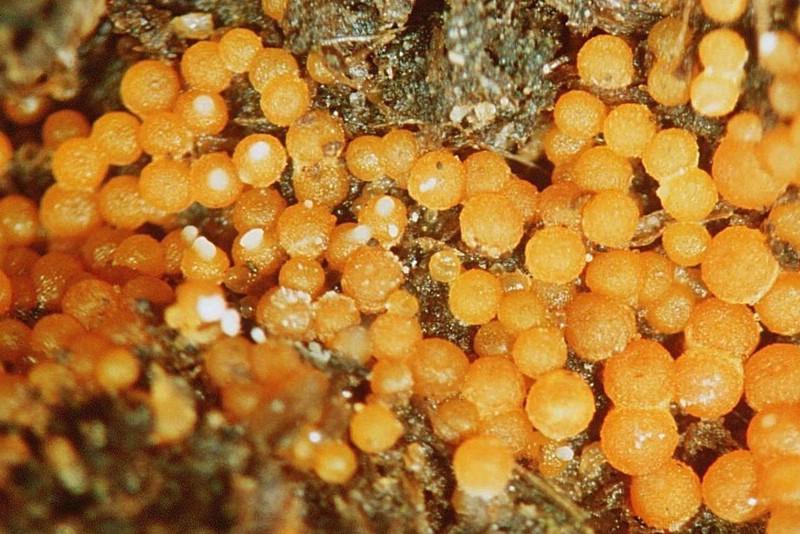
Why not Hydropisphaera peziza? I know this species from old cow dung and it's sometimes reported from dung.
Norbert
Zuidland Peter,
30-04-2023 03:30
Re : Coprophilus Hydropisphaera
Many thanks Guy,
My initial spore measurements were les than the range for H.peziza and I couldn't find any info on whether this genus grew on dung.
I have looked at the spores from more mature apothecia and I now have better results with a right correct for H.peziza
11.1-12.7 x 4.9-6.1um (n=21)
Thanks again.
Peter
My initial spore measurements were les than the range for H.peziza and I couldn't find any info on whether this genus grew on dung.
I have looked at the spores from more mature apothecia and I now have better results with a right correct for H.peziza
11.1-12.7 x 4.9-6.1um (n=21)
Thanks again.
Peter