
23-03-2026 20:16
 Miguel Ángel Ribes
Good eveningI'm unable to identify this Coprotus o
20-10-2017 09:23
Garcia SusanaEste otro crecía en el mismo trocito de madera qu
21-03-2026 15:13
Lepista ZacariasHello everyone, Does any one know of any literatu
20-03-2026 16:16
 Edvin Johannesen
These 0.5 mm diam. acervuli were breaking through
19-03-2026 19:34
 Filip Fuljer
Hello everyone,a few days ago I collected this str
19-03-2026 18:25
 William Slosse
Good evening everyone, On 18/03/26 I found a few
17-03-2026 10:09
 François Freléchoux
Bonjour, Voici la description rapide d'un petit d
Hello,
I have collected several times a pyrenomycete that keeps me busy. All the collections were made on Phragmites culms.
Perithecia immersed, erumpent. Asci cylindrical 157-179 x 10-11 µm, with a well developed apical pore, amyloid in IKI. Spores 1-septate, dark greenish brown, with a long germ slit in each cell, without gelatinous caps or appendices (no China ink tested), 17-23.5 x 7.5-8.5 µm.
I think it must belong to Amphisphaeriaceae due to its 2-celled pigmented spores and asci with amyloid apparatus, but I fail to find any species with similar spores in the family, especially with those germ slits (which I would say are more typical in Xylariaceae). I compared it first with Cainia griminis, but it has longer spores with several germ-slits at the end of the spores. It keys out in Amphisphaeria according to Barr, but I do not find any species with similar spores in the genus.
Any hint? Anything I might have missed?
Thank you in advance!
Ibai.
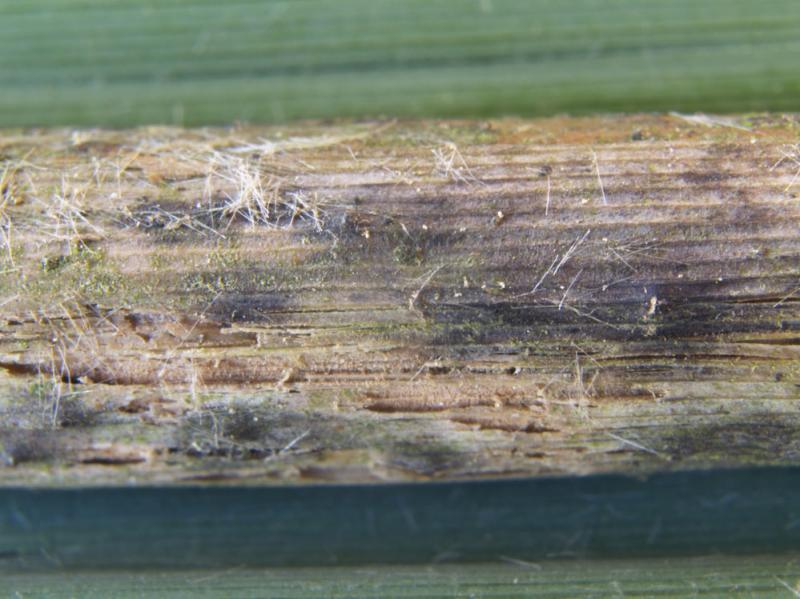
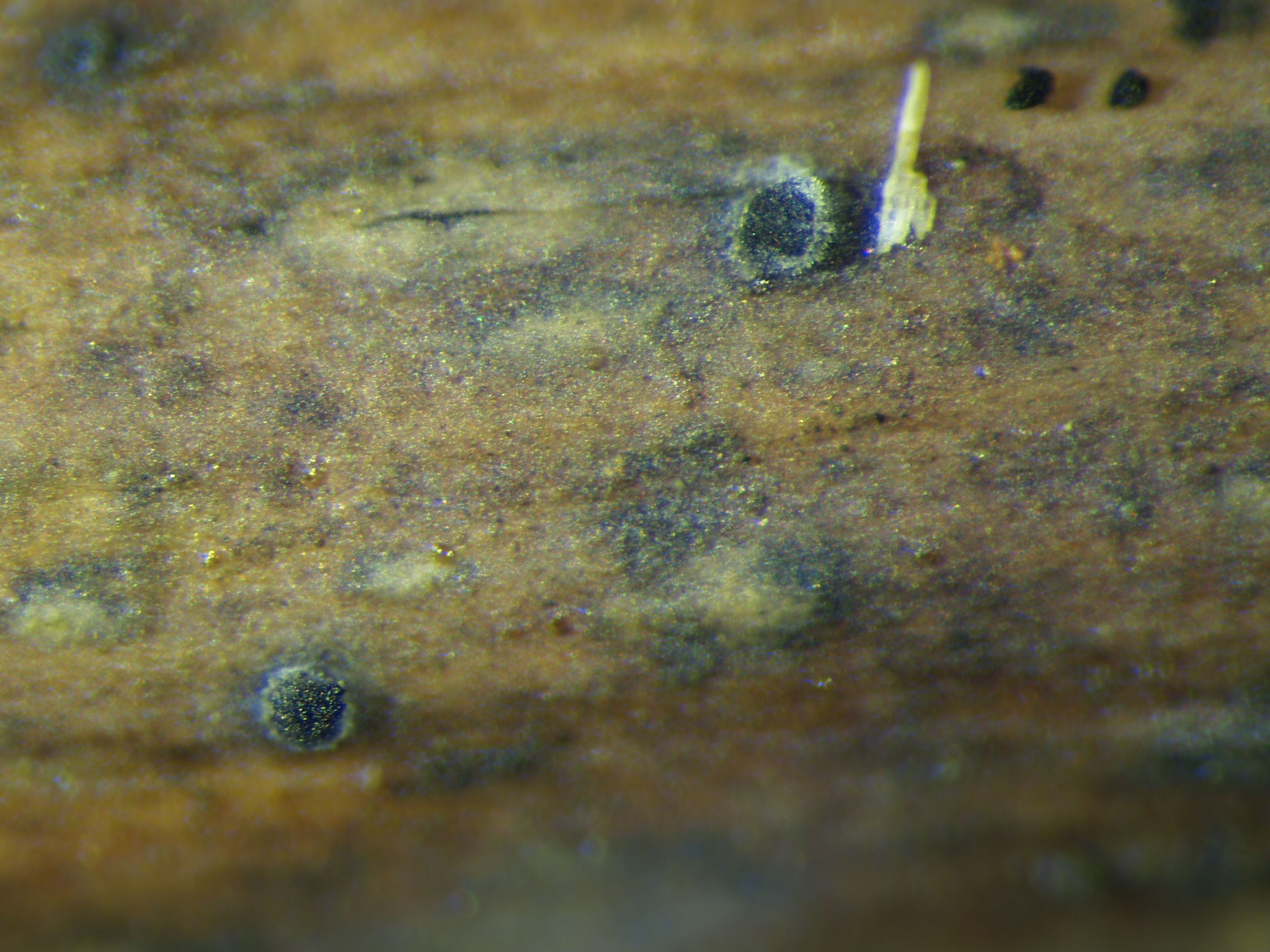 Immersed perithecia with an emerging ostiole
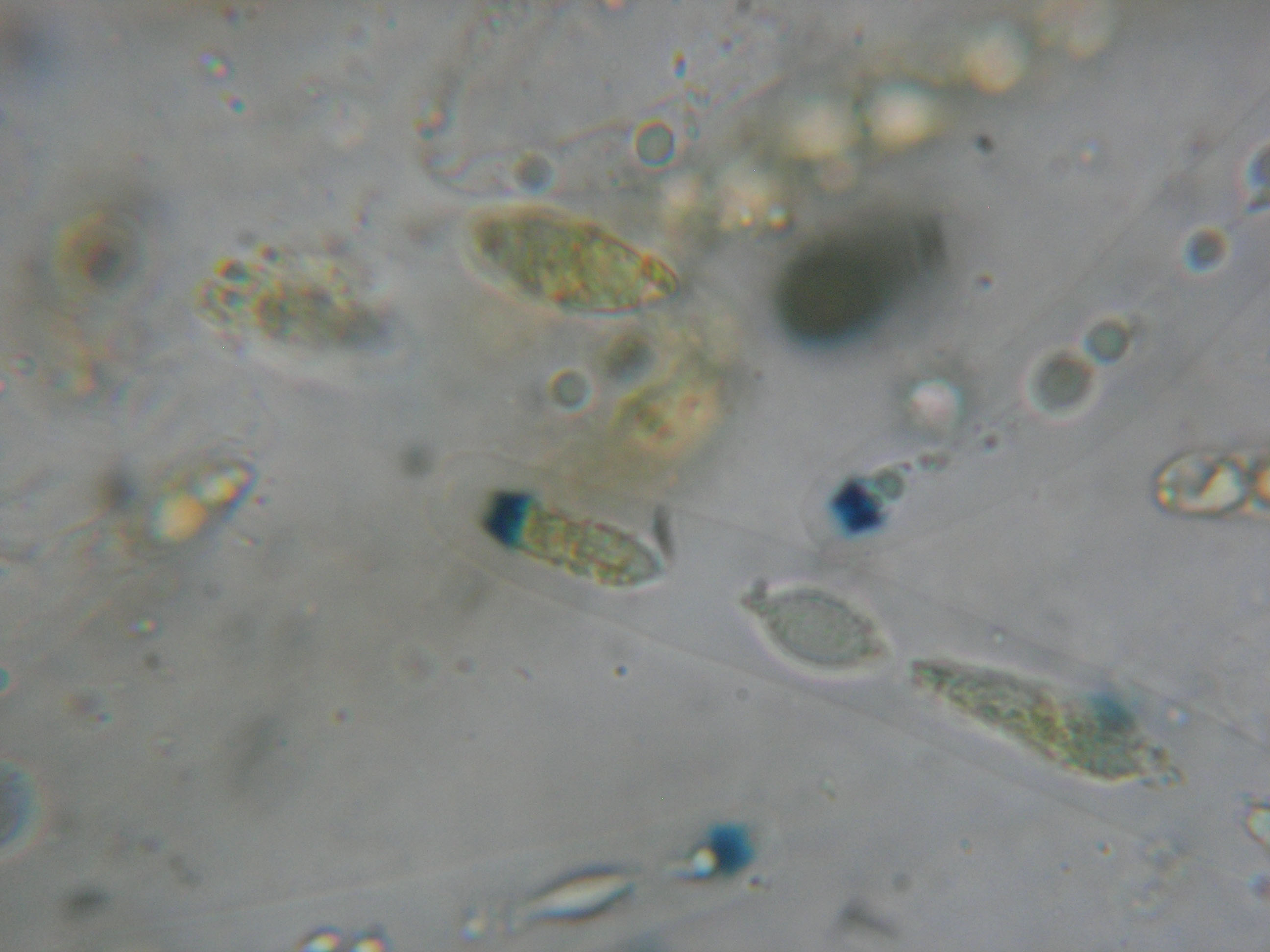 Asci with amyloid apical ring
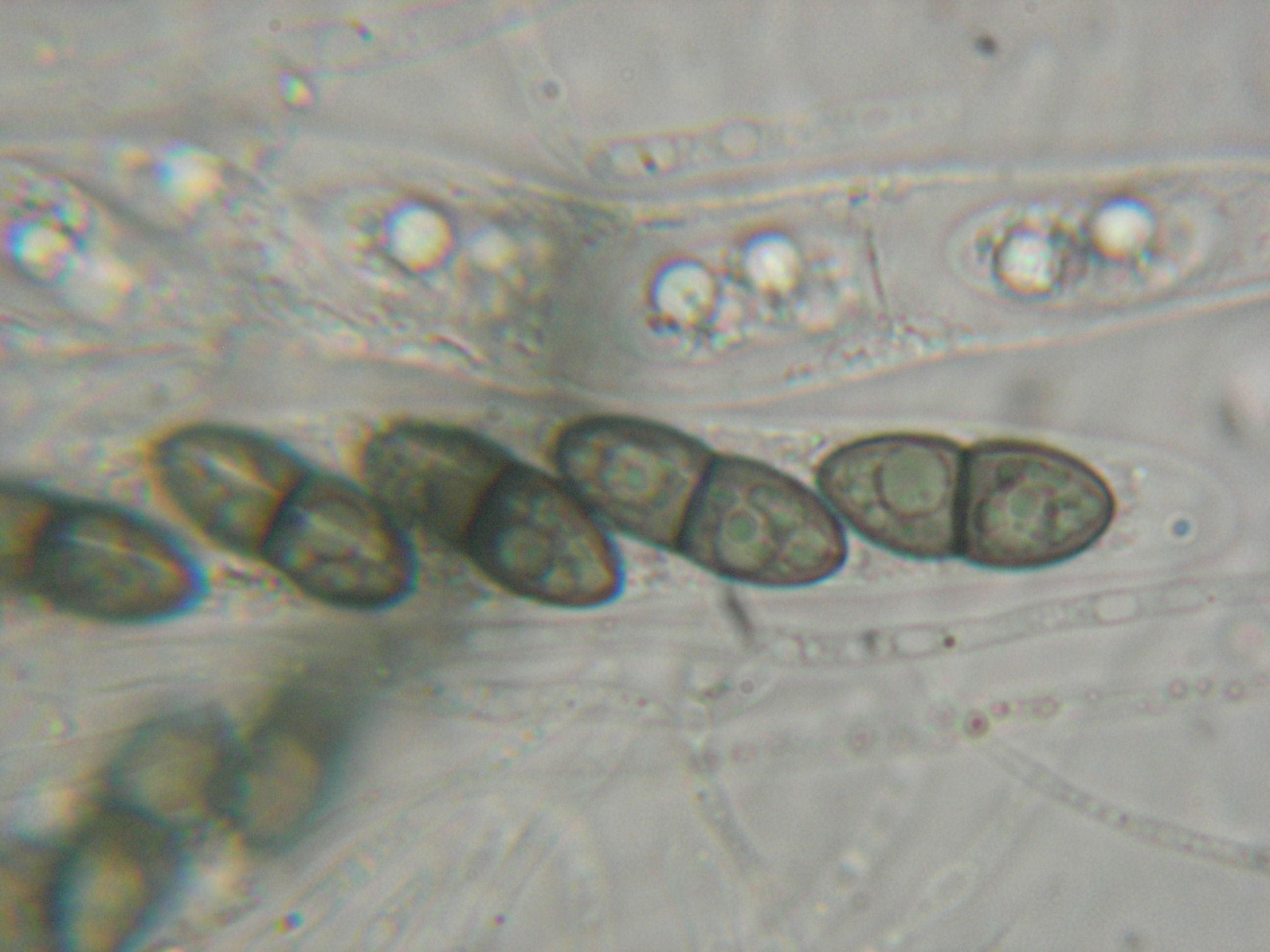 Spores in water
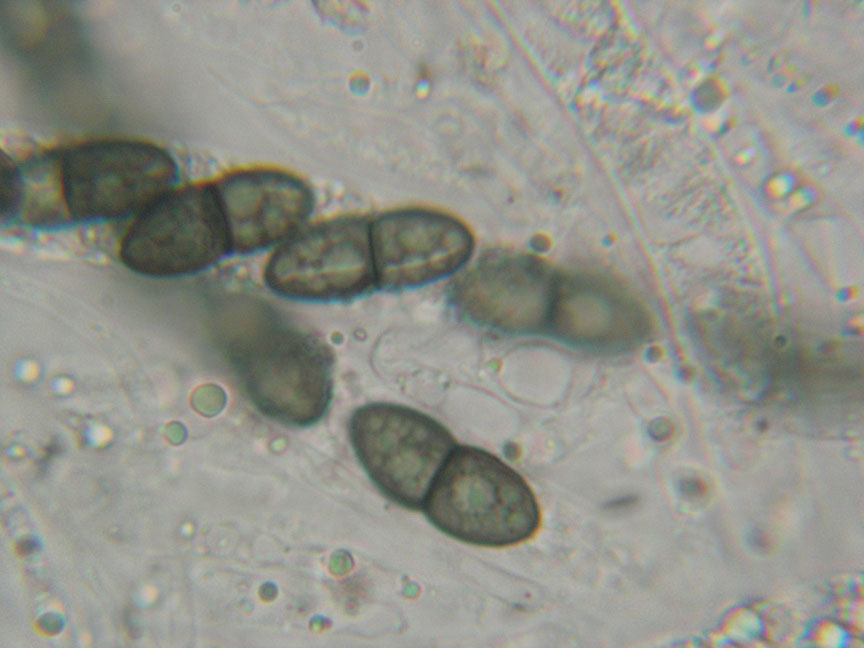 Spores in water 2

Seynesia Sacc. is a possible match, but I am not aware of a species occurring on Phragmites. It is basically a tropical genus occurring on palm and other monocots.
Hope it helps.
Cheers,
Jacques
Thank you Jacques! Yes it helps. The spores appear to be characteristic of Seynesia. I had excluded Xylariaceae because of the 2-celled spores. I will search in Seynesia. You should very probably have this fungus in your area as it is common in the Basque area.
Cheers,
Ibai.
I send you a paper on the three palm species recognized by Hyde so that you can compare it to S. livistonae that has the same ascospore size range.
Good luck!
Jacques
It is very common in this habitat Scirrhia rimosa (Alb. & Schwein.) Fuckel
I hope it would help you in your identification.
Kind regards,
M. Torrejón

Hi Miguel
I don't think this is Scirrhia rimosa, a very different fungus with hyaline ascospores and more complex stromata.
See my card on this site

regards,
björn
Have you made any progress in the description, Ibai?