23-03-2026 20:16
 Miguel Ángel Ribes
Good eveningI'm unable to identify this Coprotus o
20-10-2017 09:23
Garcia SusanaEste otro crecía en el mismo trocito de madera qu
21-03-2026 15:13
Lepista ZacariasHello everyone, Does any one know of any literatu
20-03-2026 16:16
 Edvin Johannesen
These 0.5 mm diam. acervuli were breaking through
19-03-2026 19:34
 Filip Fuljer
Hello everyone,a few days ago I collected this str
19-03-2026 18:25
 William Slosse
Good evening everyone, On 18/03/26 I found a few
17-03-2026 10:09
 François Freléchoux
Bonjour, Voici la description rapide d'un petit d

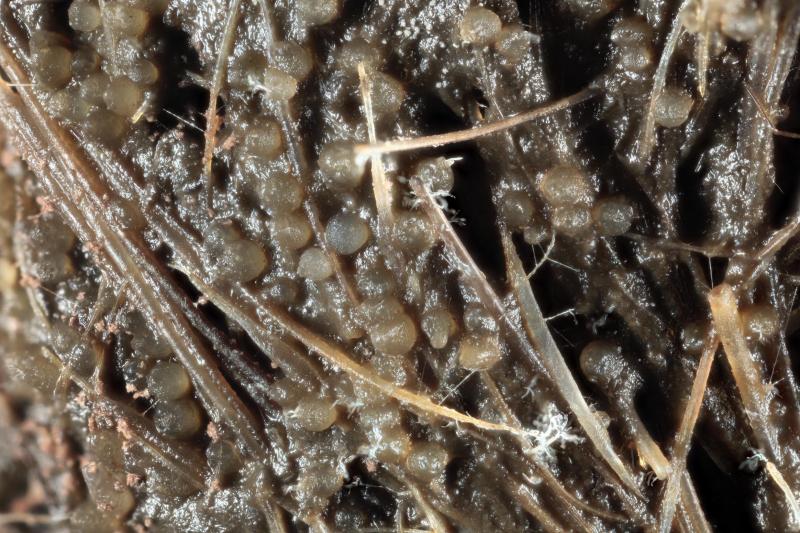
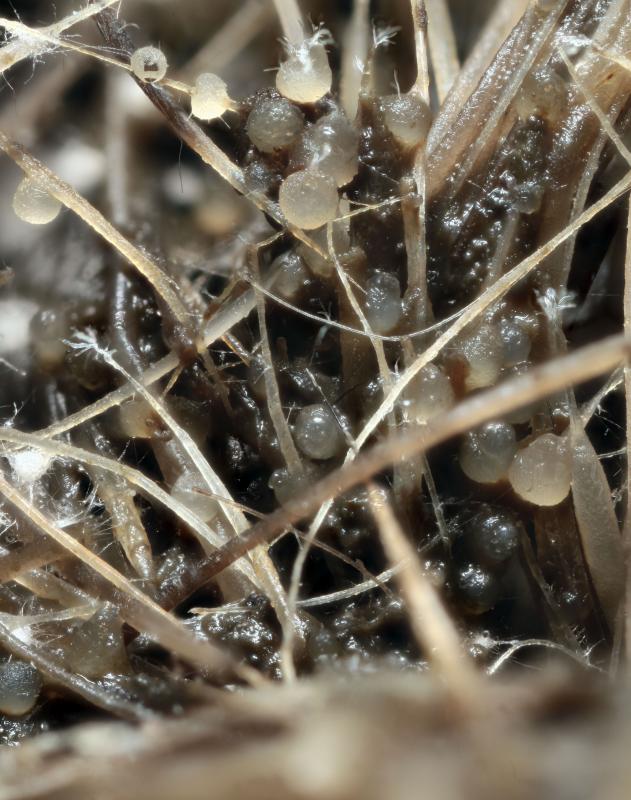
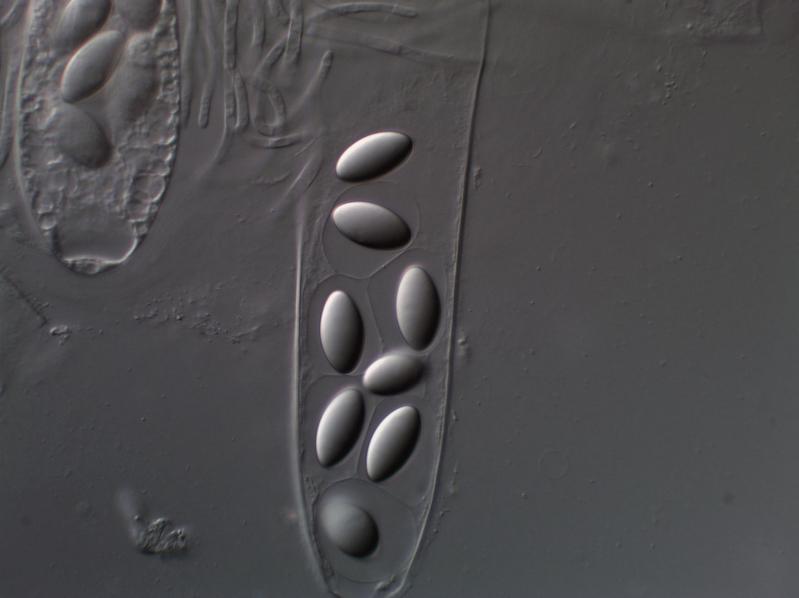
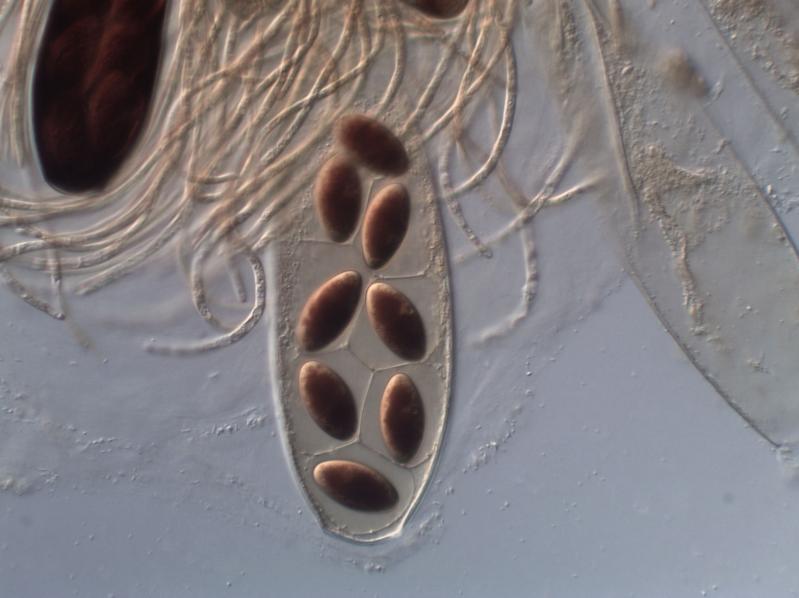
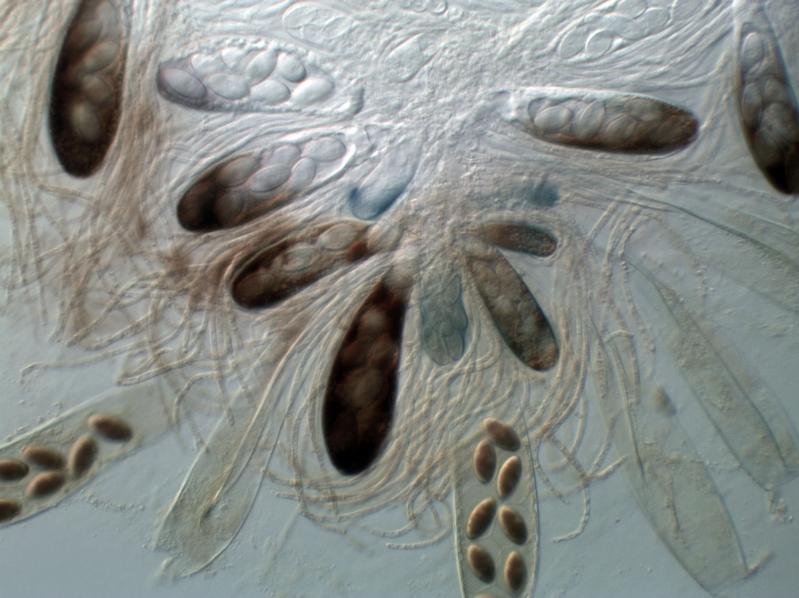
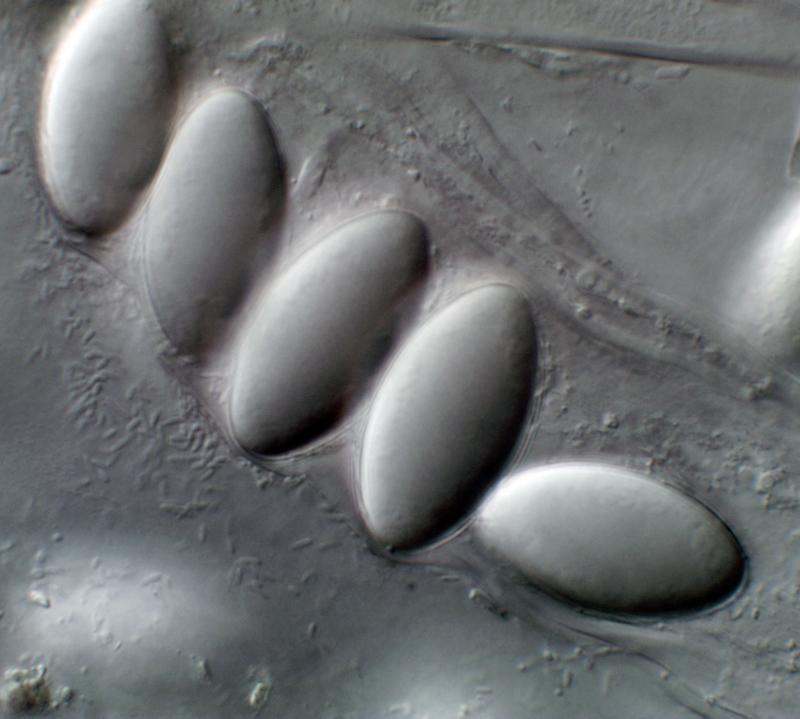
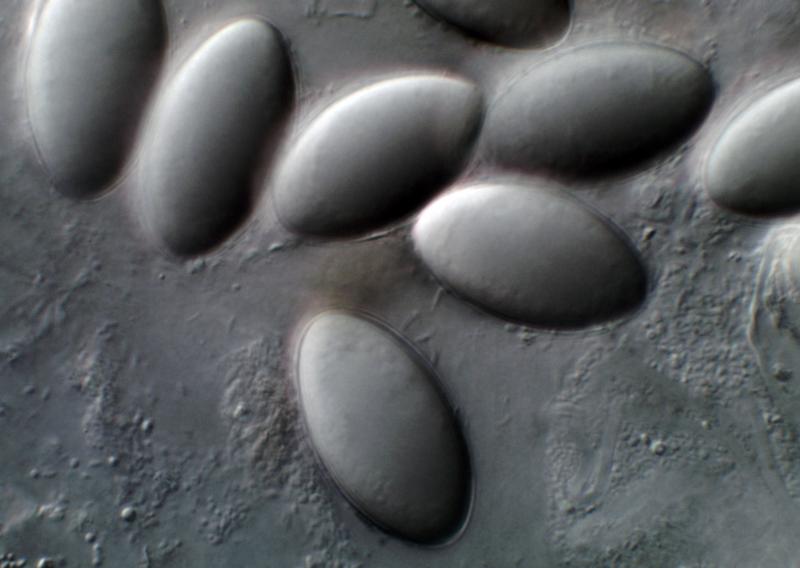

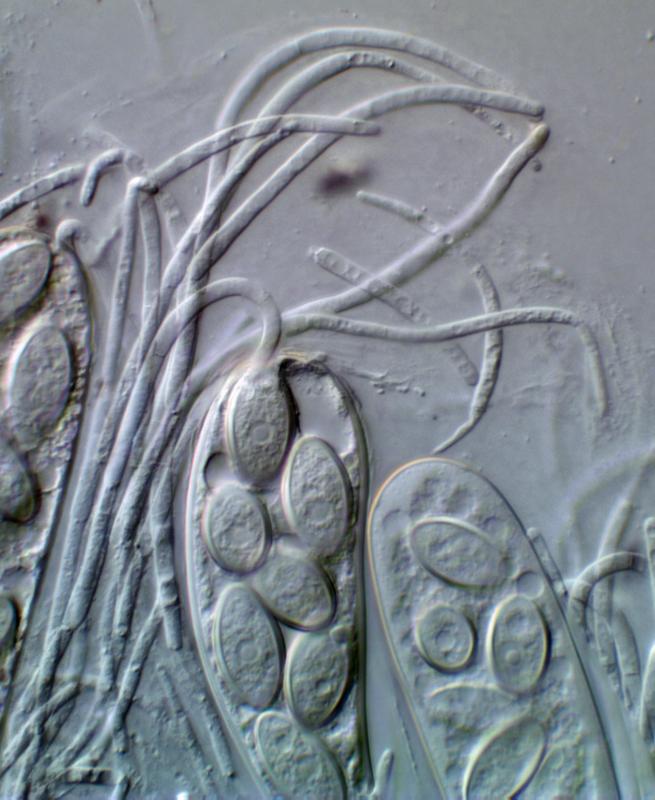
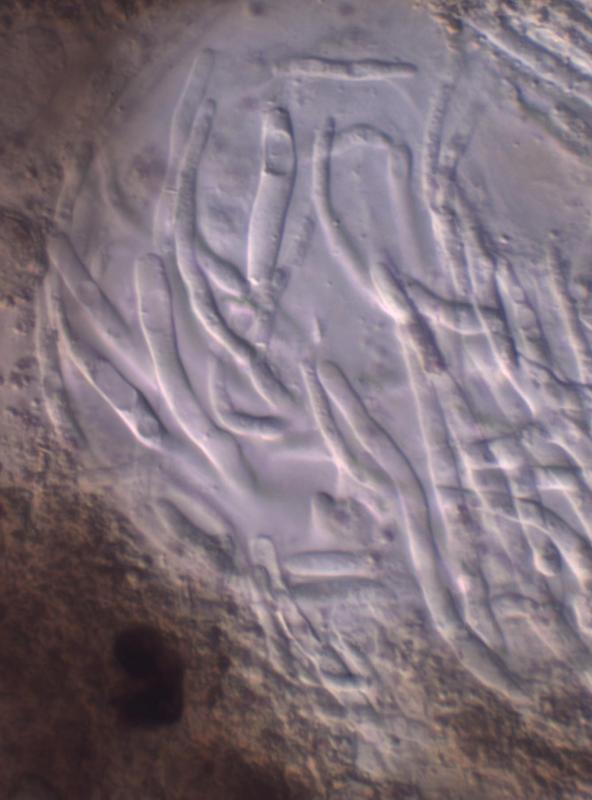
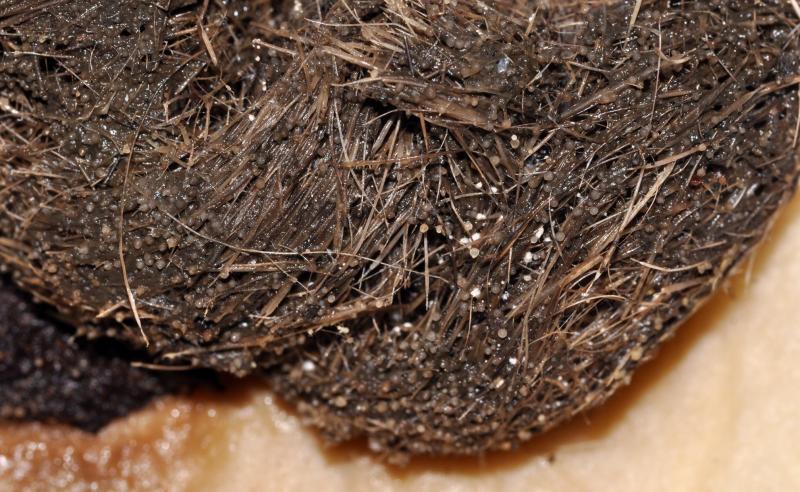
Indeed the measurements of the spores are a bit small but your mushroom still looks like T.cineteus; have you been able to observe the paraphyses which are of two kinds? There is also T.flavidus but the apothecia are normally tinged with yellow; I do not know this last species.
Amitiés.
Michel.

what a nice collection of a Thecotheus-Species!
At first. This is not Thecotheus crustaceus, which has much smaller and uniseriate ascospores. With smooth, non-apiculate and biseriate ascospores in this dimension it may be Th. cinereus or Th. flavidus. For Th. cinereus in my opinion the spores are too small. Aas writes that the spores should be between 36-42 µm. But the spore size agrees very well with Thecotheus flavidus mentioned by Michel. This species has been described by Wang & Kimbrough in 1993 and it is not in the monograph by Aas. The spores are 28-32 x 14-16 µm. Flavidus means that the spores are yellowish while the apothecia are at first pale yellow, finally grayish.
I would also be interested in the article on C.flavidus, thank you!
Regards.
Michel.
 Mycologia-1993-v85-p1020-0001.pdf